
When it comes to skincare, the order of application can make a significant difference in the effectiveness of the products you use. A common question arises: does moisturizer or sunscreen go first? Understanding the correct order not only enhances how your skin feels but also boosts the overall efficacy of your skincare routine.
The Importance of Proper Application
Applying skincare products in the right order is crucial for maximizing their benefits. When products are layered correctly, they can work synergistically, providing better hydration and protection. Conversely, applying them in the wrong order can lead to compromised results. Here’s why it matters:
- Absorption: Products can penetrate better when applied in the right order, ensuring your skin receives the intended benefits.
- Protection: Sunscreen is essential for shielding your skin from UV rays, but it must form a barrier on the skin. If applied beneath moisturizer, it may not work effectively.
- Hydration: A good moisturizer helps to lock in moisture, but it should also be applied in a way that allows other products to function optimally.
Understanding Moisturizers
Moisturizers are designed to hydrate and nourish the skin. They come in various forms, including creams, gels, and lotions. Here are some key components of moisturizers:
- Humectants: Draw moisture from the air into the skin.
- Emollients: Smooth and soften the skin by filling in gaps between skin cells.
- Occlusives: Form a barrier on the skin’s surface to prevent water loss.
Choosing the right moisturizer for your skin type is essential. For instance:
- Dry skin may benefit from heavier creams or ointments.
- Oily skin types might prefer lightweight gel-based moisturizers.
- Combination skin can use a balanced lotion that hydrates without feeling greasy.
The Role of Sunscreen
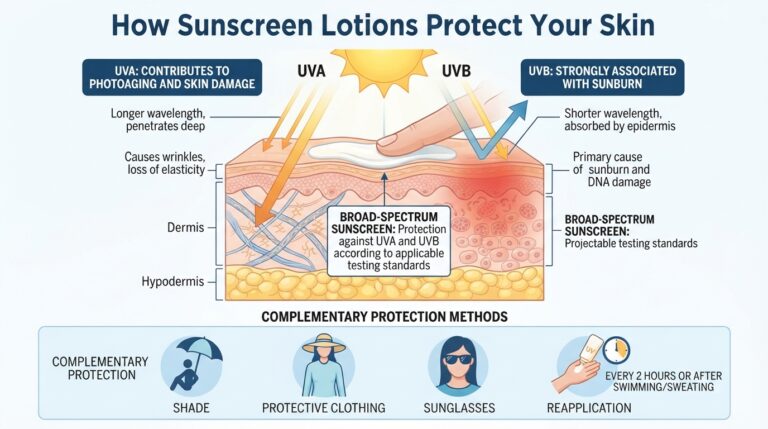
Sunscreen is a non-negotiable part of any skincare routine. It protects your skin from harmful UV radiation, which can lead to premature aging, sunburn, and skin cancer. Sunscreens primarily work by:
- Absorbing: Chemical sunscreens absorb UV rays and convert them into heat, which is then released from the skin.
- Reflecting: Physical (or mineral) sunscreens contain active mineral ingredients like zinc oxide or titanium dioxide that physically block UV rays.
When selecting a sunscreen, consider the following:
- SPF Rating: Choose a broad-spectrum sunscreen with an SPF of 30 or higher for adequate protection.
- Skin Type: Opt for a formulation that suits your skin; oily skin may prefer gel-based sunscreens, while dry skin may benefit from cream-based options.
So, Which Goes First: Moisturizer or Sunscreen?
Now that we have a solid understanding of both products, let’s address the critical question: does moisturizer or sunscreen go first? The answer is simple: apply moisturizer first and then sunscreen.
Why Moisturizer Comes First
Applying moisturizer before sunscreen allows your skin to absorb hydration effectively. Here’s a breakdown of why this order is recommended:
- Hydration First: Moisturizer provides essential hydration, which is particularly important in dry climates or during winter months.
- Barrier Function: Moisturizers help strengthen the skin barrier, allowing sunscreen to adhere better and function effectively.
- Enhanced Protection: By moisturizing first, you ensure that your skin is hydrated and ready to be protected from the sun’s harmful rays.
The Application Process
To get the most out of your skincare routine, follow these steps:
- Cleanse: Start with a gentle cleanser to remove dirt and impurities.
- Moisturize: Apply a suitable moisturizer for your skin type. Use a pea-sized amount and gently massage it into your skin.
- Sunscreen: After your moisturizer has absorbed, apply a broad-spectrum sunscreen generously. Use about a nickel-sized amount for your face.
- Makeup (if applicable): Allow your sunscreen to set for a few minutes before applying makeup.
Common Myths Decoded
There are several myths surrounding the use of moisturizers and sunscreens. Let’s debunk a few:
- Myth 1: Sunscreen is only necessary on sunny days.
Fact: UV rays can penetrate clouds and affect your skin year-round. - Myth 2: Moisturizer alone can protect against sun damage.
Fact: While moisturizers can contain SPF, they typically do not provide adequate protection alone. - Myth 3: Oily skin doesn’t need moisturizer.
Fact: Oily skin still requires hydration; opt for non-comedogenic moisturizers.
Additional Tips for Effective Skincare
To further enhance your skincare routine, consider these additional tips:
- Patch Test: Always perform a patch test when trying new products to avoid irritation.
- Layering: Allow each product to absorb fully before applying the next one.
- Reapplication: If you are outdoors, remember to reapply sunscreen every two hours, especially after sweating or swimming.
Conclusion
In conclusion, understanding the correct order of application—moisturizer first, then sunscreen—can greatly enhance your skincare routine. This approach not only maximizes hydration but also ensures optimal sun protection. By following these guidelines and debunking common myths, you can create a skincare regimen that keeps your skin healthy, radiant, and protected from UV damage.
Remember, consistency is key. With regular application, you’ll not only see but also feel the positive effects on your skin. So, the next time you ask yourself, does moisturizer or sunscreen go first? You’ll know exactly what to do.