
When it comes to sun protection, the question arises: can you use coconut oil as sunscreen? Many people are turning to natural alternatives for skincare, and coconut oil has gained popularity as a potential sunscreen option. In this article, we’ll explore the effectiveness of coconut oil as a sunscreen, its benefits, and some important considerations to keep in mind.
Understanding Sunscreen and SPF
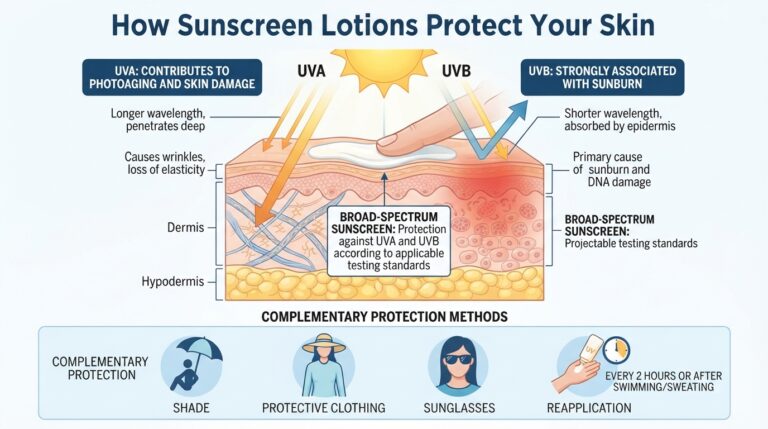
Before diving into coconut oil’s sunscreen properties, it’s essential to understand what sunscreen is and how it works. Sunscreen is designed to protect your skin from the harmful effects of ultraviolet (UV) radiation. There are two types of UV rays that can damage your skin:
- UVA rays: These rays penetrate deep into the skin and are primarily responsible for aging and long-term skin damage.
- UVB rays: These rays affect the surface of the skin and are the main cause of sunburn.
The effectiveness of a sunscreen is measured by its Sun Protection Factor (SPF). A higher SPF indicates greater protection against UVB rays. For example, SPF 30 blocks approximately 97% of UVB rays, while SPF 50 blocks about 98%.
The Basics of Coconut Oil
Coconut oil is derived from the flesh of coconuts and is rich in fatty acids, primarily lauric acid. It is known for its numerous health and beauty benefits, including moisturizing properties, antimicrobial effects, and potential anti-inflammatory benefits. But when it comes to sun protection, how does coconut oil stack up?
Coconut Oil’s SPF Level
Studies suggest that coconut oil has a natural SPF ranging from 4 to 7. While this might offer some degree of protection against UVB rays, it is significantly lower than the SPF levels found in standard commercial sunscreens. This means that while coconut oil can provide minimal sun protection, it is not sufficient for prolonged sun exposure.
Benefits of Using Coconut Oil
Despite its low SPF, coconut oil offers several advantages that make it appealing for skincare enthusiasts:
- Moisturizing: Coconut oil is an excellent moisturizer, helping to hydrate and nourish the skin.
- Antioxidant properties: The oil contains antioxidants that can help combat free radicals produced by UV exposure.
- Anti-inflammatory effects: Coconut oil may help soothe irritated skin, making it useful after sun exposure.
Limitations of Coconut Oil as Sunscreen
While coconut oil has its benefits, there are several limitations to consider when thinking about using it as sunscreen:
- Low SPF: As mentioned earlier, coconut oil’s SPF is not high enough to provide adequate protection from sunburn and long-term skin damage.
- Short duration of effectiveness: Natural oils can wear off quickly, requiring frequent reapplication.
- Not broad-spectrum: Coconut oil does not protect against UVA rays, which are just as harmful as UVB rays.
Alternatives to Coconut Oil for Sun Protection
If you’re looking for effective sun protection, consider these alternatives that provide broader-spectrum coverage and higher SPF levels:
- Commercial sunscreens: Look for those labeled “broad-spectrum” with an SPF of at least 30.
- Mineral sunscreens: Containing zinc oxide or titanium dioxide, these offer effective protection against both UVA and UVB rays.
- Natural sunscreen options: Some brands offer products made with organic ingredients that provide higher SPF levels without harsh chemicals.
How to Safely Incorporate Coconut Oil into Your Skincare Routine
If you love coconut oil and want to enjoy its benefits, consider using it in conjunction with proper sun protection. Here are some tips:
Layering Technique
Use coconut oil as a moisturizer under your sunscreen:
- Apply coconut oil to clean, dry skin.
- Allow it to absorb before applying a broad-spectrum sunscreen with at least SPF 30.
Post-Sun Care
After sun exposure, coconut oil can be an excellent way to soothe and moisturize your skin:
- Gently cleanse your skin to remove sunscreen and impurities.
- Apply coconut oil to hydrate and help heal any minor sunburn or irritation.
Scientific Studies on Coconut Oil and Sun Protection
Research on coconut oil’s effectiveness as a sunscreen is limited, but some studies shed light on its properties:
| Study | Findings |
|---|---|
| Research on Skin Effects of Coconut Oil | Coconut oil may reduce inflammation and provide some level of protection against UV radiation, but not sufficient for full sun protection. |
| Comparative Study of Oils | Compared to other oils, coconut oil provided lower SPF values but had significant moisturizing properties. |
Conclusion
So, can you use coconut oil as sunscreen? While it does offer some benefits and a minimal SPF, it is not a substitute for traditional sunscreen products. To effectively protect your skin from the sun’s harmful rays, it is critical to use a broad-spectrum sunscreen with an adequate SPF. However, incorporating coconut oil into your skincare routine can provide additional moisture and soothing properties, especially after sun exposure.
Ultimately, the best approach to sun protection is to combine various methods: use a reliable sunscreen, seek shade, wear protective clothing, and stay mindful of sun exposure times. By understanding the limitations and benefits of coconut oil, you can make informed decisions about your skincare and sun protection regimen.