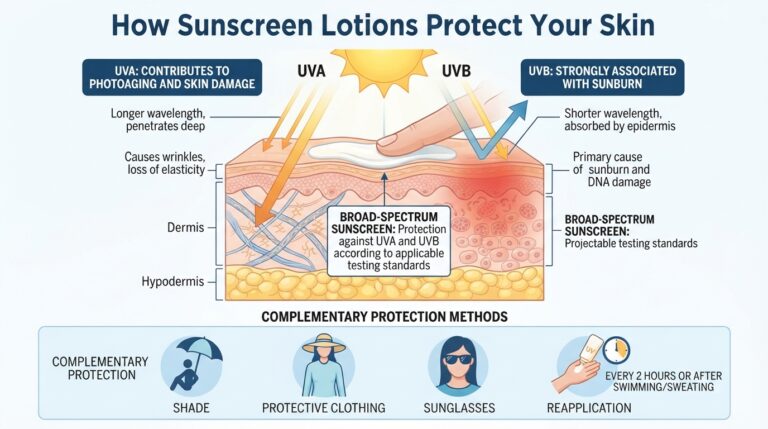

As an expecting mother, taking care of your skin is more important than ever. One significant aspect of skincare during pregnancy is the use of sunscreen when pregnant. It’s essential to protect your skin from harmful UV rays, which can lead to sunburn and other skin issues, especially when your skin is more sensitive due to hormonal changes.
Understanding the Importance of Sunscreen During Pregnancy
Pregnancy brings about numerous changes in a woman’s body, including her skin. Hormonal fluctuations can make the skin more sensitive, increasing the risk of sunburn and pigmentation issues. Here are a few reasons why using sunscreen is vital during pregnancy:
- Increased Skin Sensitivity: Many women experience heightened sensitivity to sunlight during pregnancy.
- Risk of Hyperpigmentation: Conditions such as melasma, also known as the “mask of pregnancy,” can occur due to sun exposure.
- Protection Against Skin Cancer: Regular use of sunscreen can help reduce the risk of skin cancer, which is crucial during this vulnerable time.
Choosing the Right Sunscreen: Key Ingredients to Look For
Not all sunscreens are created equal, especially when it comes to safety during pregnancy. It’s essential to choose products with ingredients that are safe for you and your baby. Here are the key components to consider when selecting sunscreen:
Mineral vs. Chemical Sunscreens
There are two main types of sunscreens: mineral (physical) and chemical. Understanding the difference is crucial for making an informed choice.
- Mineral Sunscreens: These contain zinc oxide and titanium dioxide, which physically block UV rays. They are generally considered safer during pregnancy.
- Chemical Sunscreens: These often contain ingredients like oxybenzone, avobenzone, and octisalate. Some studies suggest that certain chemicals may be absorbed into the bloodstream, which raises concerns for pregnant women.
Safe Ingredients to Look For
When shopping for sunscreen, consider looking for products that include:
- Zinc Oxide
- Titanium Dioxide
- Natural Oils (like coconut or jojoba oil)
- Aloe Vera
What to Avoid in Sunscreen During Pregnancy
While selecting sunscreen, it’s equally important to know what to avoid. Here are some ingredients that expecting mothers may want to steer clear of:
- Oxybenzone: Some studies link this chemical to hormone disruption.
- Retinyl Palmitate: This derivative of Vitamin A may pose a risk to fetal development.
- Parabens: These preservatives can mimic estrogen and disrupt hormonal balance.
- Fragrances: Synthetic fragrances can cause skin irritation and allergies.
How to Apply Sunscreen Effectively
Applying sunscreen correctly is just as important as choosing the right product. Here are some tips for effective application:
- Apply Generously: Use about one ounce (a shot glass full) for full-body coverage.
- Reapply Regularly: Reapply every two hours, or immediately after swimming or sweating.
- Use It Daily: Even on cloudy days, UV rays can penetrate the skin. Make sunscreen a part of your daily routine.
Additional Tips for Protecting Your Skin During Pregnancy
Along with sunscreen, there are additional measures you can take to protect your skin while pregnant:
- Seek Shade: Avoid direct sun exposure, especially during peak hours (10 AM to 4 PM).
- Wear Protective Clothing: Long sleeves, wide-brimmed hats, and UV-protective sunglasses can provide extra protection.
- Stay Hydrated: Drink plenty of water to maintain skin elasticity and health.
- Maintain a Healthy Diet: A balanced diet rich in antioxidants can help protect your skin from damage.
What Experts Say About Sunscreen Use During Pregnancy
Experts widely agree on the importance of using sunscreen when pregnant. According to dermatologists, protecting your skin from UV rays can help prevent long-term skin damage and conditions like melasma. The American Academy of Dermatology also recommends using sunscreen with an SPF of at least 30, regardless of pregnancy status.
Recommendations from Dermatologists
Many dermatologists suggest the following when it comes to sunscreen use during pregnancy:
- Opt for mineral-based sunscreens for the safest protection.
- Choose broad-spectrum products for protection against both UVA and UVB rays.
- Consider products labeled as “non-comedogenic” if you’re prone to breakouts.
Common Myths About Sunscreen and Pregnancy
There are several myths surrounding sunscreen use during pregnancy. Let’s debunk a few:
- Myth 1: Sunscreen is not necessary on cloudy days. Fact: Up to 80% of UV rays can penetrate clouds.
- Myth 2: All sunscreens are safe during pregnancy. Fact: Always check the ingredients to ensure safety.
- Myth 3: You don’t need to wear sunscreen if you have dark skin. Fact: Everyone can benefit from sun protection.
Conclusion: Embrace Sun Safety During Pregnancy
Using sunscreen when pregnant is a crucial step in protecting both your skin and your growing baby. With the right knowledge and products, you can safely enjoy the sun while minimizing risks. Remember to choose mineral-based sunscreens, apply them generously, and follow expert recommendations for the best results. Embrace this beautiful journey of motherhood while taking care of yourself—your skin will thank you for it!