
When it comes to protecting our skin from harmful UV rays, sunscreen has long been the go-to solution. However, many people are now looking for what to use instead of sunscreen, whether due to skin sensitivities, environmental concerns, or a desire for more natural options. Thankfully, there are several effective alternatives that not only shield your skin but also nourish it. In this blog post, we’ll explore these alternatives, their benefits, and how you can incorporate them into your daily routine.
The Importance of UV Protection
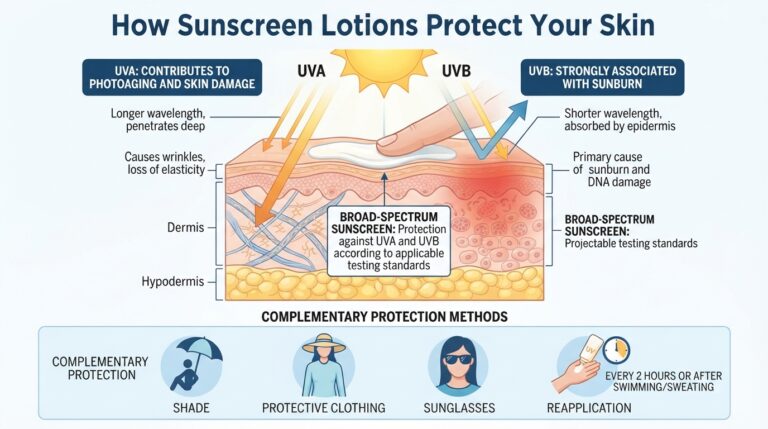
Before diving into alternatives, it’s crucial to understand why UV protection is so important. The sun emits two types of harmful rays that can damage your skin:
- UVA rays: These rays penetrate deep into the skin and are primarily responsible for premature aging and long-term skin damage.
- UVB rays: These rays are responsible for sunburn and can directly damage the DNA in our skin cells, increasing the risk of skin cancer.
With this in mind, let’s explore some effective alternatives to sunscreen that can help protect your skin while also considering your overall health and the environment.
Natural Oils: Nurturing Your Skin
Many natural oils provide a level of UV protection while also offering nourishing benefits for your skin. Here are some of the most effective oils to consider:
Coconut Oil
Coconut oil is well-known for its moisturizing properties. It has an SPF of about 7, which means it can offer some protection against UV rays. Additionally, its rich fatty acids help to hydrate the skin, making it soft and supple.
Red Raspberry Seed Oil
Studies have shown that red raspberry seed oil may block both UVA and UVB rays effectively. With an SPF ranging from 28 to 50, it’s one of the more potent natural alternatives. Moreover, it’s rich in antioxidants, which help combat free radicals and promote skin health.
Carrot Seed Oil
Carrot seed oil boasts an SPF of 38 to 40 and offers a good balance of UV protection. This oil is also packed with vitamins A and E, making it excellent for rejuvenating the skin and reducing signs of aging.
Protective Clothing
One of the simplest ways to protect your skin from UV rays without using sunscreen is by wearing protective clothing. Here are some tips:
- UPF Clothing: Look for garments labeled with a UPF (Ultraviolet Protection Factor) rating. UPF clothing is specifically designed to block UV rays.
- Long Sleeves and Pants: When spending extended periods outdoors, consider wearing long-sleeved shirts and long pants made of lightweight, breathable fabrics.
- Wide-Brimmed Hats: A hat can protect your face, neck, and ears from direct sun exposure. Choose one with a wide brim for optimal coverage.
- Sunglasses: Protect your eyes by wearing sunglasses that block 100% of UVA and UVB rays. Look for wrap-around styles for added protection.
Dietary Considerations: Fueling Your Skin from Within
Your diet plays a significant role in skin health and can offer some protection against UV damage. Incorporating certain foods into your meals can enhance your skin’s resilience against sun exposure:
Antioxidant-Rich Foods
Foods high in antioxidants help protect your skin from damage caused by free radicals. Some of these foods include:
- Blueberries
- Dark chocolate
- Spinach
- Walnuts
- Green tea
Omega-3 Fatty Acids
Omega-3 fatty acids can reduce inflammation and improve skin health. Foods rich in omega-3s include:
- Fatty fish (salmon, mackerel, sardines)
- Chia seeds
- Flaxseeds
- Walnuts
Herbal Remedies: Nature’s Shield
Many herbs and botanicals possess natural sun-blocking properties or can enhance skin health. Here are a few noteworthy options:
Aloe Vera
Aloe vera is not only known for its soothing properties but also has mild sun protection factors. It can be applied directly to the skin to hydrate and heal.
Green Tea Extract
Green tea is packed with polyphenols, which have been found to provide anti-inflammatory and protective effects against UV damage. Drinking green tea or using skincare products containing green tea extract can be beneficial.
Shea Butter
Shea butter has a natural SPF of about 6 and is excellent for moisturizing the skin. It also contains vitamins A and E, which promote skin healing and rejuvenation.
Physical Barriers: Creating Your Own Shield
For those who prefer a more hands-on approach, you can create physical barriers to shield your skin. Here are some methods you might find useful:
DIY Sunscreen Alternatives
While not a replacement for broad-spectrum sunscreen, some DIY recipes can offer mild protection:
- Coconut Oil and Zinc Oxide Mix: Combine coconut oil with non-nano zinc oxide for a natural barrier. This mixture can provide some level of protection against UV rays.
- Shea Butter and Essential Oils: Blend shea butter with essential oils like lavender or chamomile for soothing properties. Add a small amount of red raspberry seed oil for added UV protection.
Smart Sun Exposure
Limiting your sun exposure is another effective way to protect your skin. Here are some strategies:
- Seek Shade: Whenever possible, stay in the shade, especially during peak sun hours (10 AM to 4 PM).
- Gradual Exposure: If you’re planning to be outdoors, gradually increase your exposure to the sun to build a natural tolerance.
- Monitor Your Skin: Keep an eye on any changes in your skin, and seek shade or cover up if you notice any redness or irritation.
Conclusion: A Holistic Approach to Skin Protection
While sunscreen is an effective way to protect against harmful UV rays, there are numerous alternatives worth considering. From natural oils and protective clothing to dietary choices and herbal remedies, you have a variety of options to shield your skin. Embracing a holistic approach to sun protection not only safeguards your skin but also promotes overall health and well-being.
As you explore these alternatives, remember to listen to your skin and find what works best for you. Each person’s skin is unique, and the right combination of protective measures can help you enjoy the sun responsibly.