

Have you ever applied sunscreen only to feel a stinging sensation in your eyes? If so, you’re not alone. Many people wonder, “Why does sunscreen burn my eyes?” This discomfort can be both surprising and frustrating, especially when you’re trying to protect your skin from harmful UV rays. In this article, we’ll explore the reasons behind this phenomenon, the ingredients in sunscreen that can cause irritation, and some practical tips to prevent it from happening again.
The Basics of Sunscreen
Sunscreen is essential for protecting our skin from the sun’s harmful ultraviolet (UV) radiation, which can lead to skin cancer, premature aging, and other skin issues. Understanding how sunscreen works is crucial to appreciate its importance and the potential irritants it may contain.
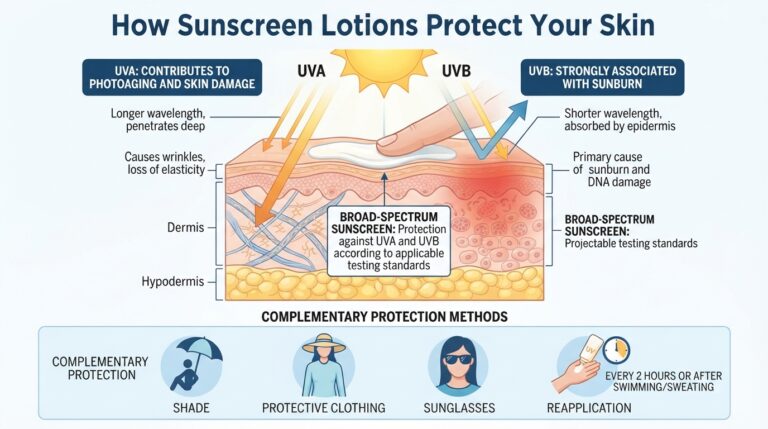
How Sunscreen Protects Your Skin
Sunscreens work by either absorbing or reflecting UV rays. They contain active ingredients that fall into two main categories:
- Chemical Filters: These absorb UV radiation and convert it into heat, which is then released from the skin. Common chemical filters include avobenzone, octisalate, and octocrylene.
- Physical (Mineral) Filters: These sit on top of the skin and reflect UV rays. The most common physical filters are zinc oxide and titanium dioxide.
While both types are effective at providing sun protection, some ingredients may be more likely to cause irritation, especially around sensitive areas like the eyes.
Reasons Sunscreen Burns Your Eyes
Now that we understand how sunscreens work, let’s delve into why they might cause discomfort in the eyes.
1. Irritating Ingredients
Many sunscreens contain various chemicals that can irritate the eyes, including:
- Fragrances: Added for a pleasant scent, fragrances can be irritating, especially for sensitive skin.
- Alcohol: Often used as a preservative or for a quick-drying effect, alcohol can cause dryness and irritation.
- Chemical Sunscreen Agents: Certain chemical filters can be harsher on the skin and eyes compared to mineral options.
When sweat, water, or even touch transfers these ingredients to your eyes, stinging and burning sensations can occur.
2. Application Method
How you apply sunscreen can significantly affect whether it burns your eyes. Here are some common practices that may lead to irritation:
- Too Close to the Eyes: Applying sunscreen too close to the eye area can result in the product migrating into the eyes.
- Using Excessive Amounts: Over-applying sunscreen can increase the likelihood of it running into your eyes, especially if you sweat.
- Rubbing Eyes: Touching your eyes after applying sunscreen can transfer the product, causing discomfort.
3. Water and Sweat
When swimming or sweating, sunscreen can easily run into your eyes. This is particularly common with chemical sunscreens, which tend to dissolve in water more quickly than physical sunscreens. The mix of sweat or water with sunscreen can create a burning sensation that is often uncomfortable.
Preventing Sunscreen from Burning Your Eyes
Fortunately, there are several strategies you can use to prevent sunscreen from irritating your eyes:
1. Choose the Right Sunscreen
Consider using mineral sunscreens that contain zinc oxide or titanium dioxide, as they are less likely to irritate sensitive skin. Look for products labeled as “fragrance-free” and “alcohol-free.” Some brands even offer specific formulations designed for sensitive skin or the eye area.
2. Apply Sunscreen Properly
To minimize the risk of irritation, follow these application tips:
- Keep it Away from Your Eyes: Apply sunscreen carefully, avoiding the eyelids and the immediate eye area.
- Use a Broad-Spectrum Formula: Ensure your sunscreen offers protection against both UVA and UVB rays.
- Apply Before Water Exposure: Give your sunscreen time to absorb into your skin before swimming or sweating.
3. Use Protective Gear
In addition to sunscreen, consider using protective eyewear, such as sunglasses with UV protection. This can help shield your eyes from direct sunlight and minimize the risk of sunscreen running into your eyes.
What to Do If Sunscreen Gets in Your Eyes
Despite your best efforts, sometimes sunscreen may still find its way into your eyes. Here are steps you can take if that happens:
1. Rinse Immediately
As soon as you feel discomfort, rinse your eyes with clean, lukewarm water for at least 15 minutes. This will help to flush out any irritants and reduce stinging.
2. Avoid Rubbing Your Eyes
While it may be tempting, avoid rubbing your eyes, as this can worsen irritation and lead to further discomfort.
3. Use Artificial Tears
If irritation persists after rinsing, consider using over-the-counter artificial tears to soothe your eyes and restore moisture.
Conclusion
Understanding why sunscreen burns your eyes is crucial for anyone who enjoys sun exposure and values skin protection. By being aware of the ingredients in sunscreens, applying them correctly, and choosing the right products, you can significantly reduce the risk of experiencing discomfort.
Remember, protecting your skin from UV damage is essential, but so is keeping your eyes safe and comfortable. With the right approach, you can enjoy your time in the sun without the sting!