
Many people wonder, “Can I wear sunscreen in a tanning bed?” This question is crucial for anyone who wants to achieve a bronzed glow while also taking care of their skin. Tanning beds have become a popular option for those looking to darken their skin quickly, but they come with risks that should not be ignored. In this article, we will delve into the relationship between tanning beds and sunscreen, providing facts and insights to help you make informed decisions about your tanning routine.
Understanding Tanning Beds
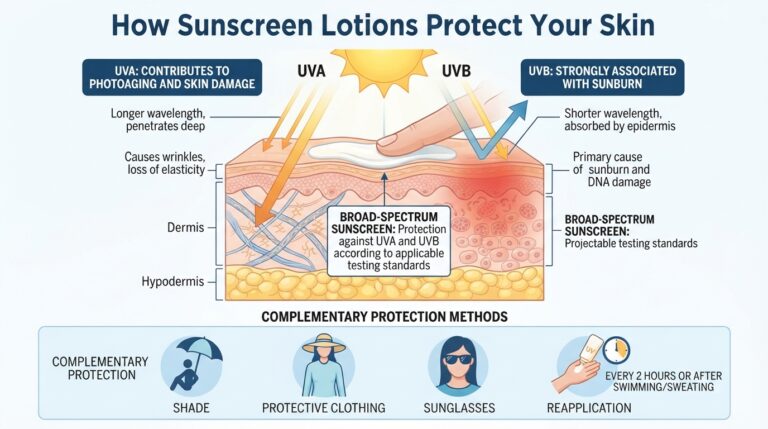
Tanning beds, or sunbeds, use ultraviolet (UV) radiation to darken the skin. They emit primarily UVA rays, which penetrate deeper into the skin than UVB rays. While some people enjoy the immediate results of a tanning bed session, it’s essential to understand the potential dangers involved.
The Risks of Tanning Beds
Despite the allure of a sun-kissed complexion, tanning beds come with several risks:
- Skin Cancer: Studies have shown that using tanning beds increases the risk of developing skin cancer, particularly melanoma, which is the deadliest form of skin cancer.
- Premature Aging: UV radiation can lead to premature aging, including wrinkles, fine lines, and age spots.
- Skin Damage: Excessive exposure can cause skin damage ranging from burns to changes in texture and color.
The Role of Sunscreen
Now that we understand the risks associated with tanning beds, let’s explore the role of sunscreen. Sunscreen is designed to protect the skin from UV radiation, which raises the question: Can I wear sunscreen in a tanning bed? The short answer is complicated.
Types of Sunscreen
Before we dive into whether you can wear sunscreen in a tanning bed, let’s look at the different types of sunscreen available:
- Chemical Sunscreens: These contain organic compounds that absorb UV radiation and convert it into heat, which is then released from the skin.
- Physical (Mineral) Sunscreens: These contain active mineral ingredients, such as zinc oxide or titanium dioxide, that sit on the surface of the skin and reflect UV radiation.
Can I Wear Sunscreen in a Tanning Bed?
While some tanning salons may suggest using a low-SPF sunscreen to avoid burns, the effectiveness of sunscreen in a tanning bed is still debated among experts. Here are some key points to consider:
- Limited Protection: Sunscreen may not provide sufficient protection against the intense UV exposure from tanning beds, especially if it’s a chemical sunscreen. Many chemical sunscreens are not designed to withstand high heat and may break down under tanning bed conditions.
- SPF Levels: Most tanning bed enthusiasts often use low-SPF products, which may not offer adequate protection against skin damage. A high SPF may interfere with the tanning process.
- Skin Type Considerations: Individuals with fair or sensitive skin might benefit from using a broad-spectrum sunscreen to mitigate some risks, although it should not be relied upon entirely.
Expert Opinions
Many dermatologists and skin experts strongly advise against using tanning beds altogether. According to the American Academy of Dermatology, there is no safe way to tan. Here’s what some experts have to say about sunscreen and tanning beds:
- Dr. Ava Shamban: A board-certified dermatologist, Dr. Shamban emphasizes that while sunscreen is essential for protecting against UV damage, it is not a foolproof solution when it comes to the high-intensity UV exposure of tanning beds.
- Dr. Whitney Bowe: Another leading dermatologist warns that the use of sunscreen may provide a false sense of security, leading individuals to spend more time in the tanning bed than is safe.
Alternatives to Tanning Beds
If you’re looking for a bronzed look without the risks associated with tanning beds, there are safer alternatives available:
Self-Tanning Products
Self-tanners come in various forms, including lotions, sprays, and gels. These products contain dihydroxyacetone (DHA), which interacts with the skin’s outer layer to create a tanned appearance without UV exposure.
Spray Tans
Professional spray tans are another option for achieving a natural-looking tan. They are typically applied by a technician and can provide a uniform tan without the harmful effects of UV rays.
Gradual Tanners
Gradual tanners are lotions that you apply daily to build a tan over time. They offer a subtle glow and are less likely to result in an unnatural color.
Best Practices for Skin Protection
Whether you choose to use tanning beds or opt for safer alternatives, protecting your skin should always be a priority. Here are some best practices to consider:
- Use Sunscreen: If you do decide to use tanning beds, opt for a broad-spectrum sunscreen with at least SPF 30. Reapply it as directed.
- Limit Exposure: Limit your time in the tanning bed to reduce the risk of skin damage. Follow the salon’s guidelines for safe exposure times.
- Stay Hydrated: Drink plenty of water to keep your skin hydrated, especially after tanning.
- Regular Skin Checks: Monitor your skin for any unusual changes, and consult a dermatologist if you notice any suspicious spots or moles.
Conclusion
So, can you wear sunscreen in a tanning bed? While some may choose to apply it, the effectiveness of sunscreen in this context is limited, and it should not be viewed as a substitute for proper skin protection. The best course of action is to consider the risks associated with tanning beds and explore safer alternatives. Always prioritize your skin health, and make informed choices to protect your largest organ from potential harm.
In summary, while the desire for a sun-kissed tan is understandable, the risks of tanning beds are significant. By opting for safer alternatives and following best practices for skin protection, you can achieve a beautiful glow without compromising your health.