
Finding reliable UV protection can feel confusing with so many options crowding store shelves. When people ask whether is zinc oxide good for sunscreen, they usually want to know if it actually works better than conventional alternatives or if it causes irritation.
Zinc oxide is a natural mineral compound that provides broad-spectrum defense by sitting right on top of your face and body instead of soaking deep into your tissue. This barrier method makes it a favorite among dermatologists for everyday wear.
Understanding how mineral formulas shield your body helps you choose the right bottle for your daily routine. Let’s look closer at how this ingredient functions and what you can expect when applying it outdoors.
How Zinc Oxide Works on Your Skin

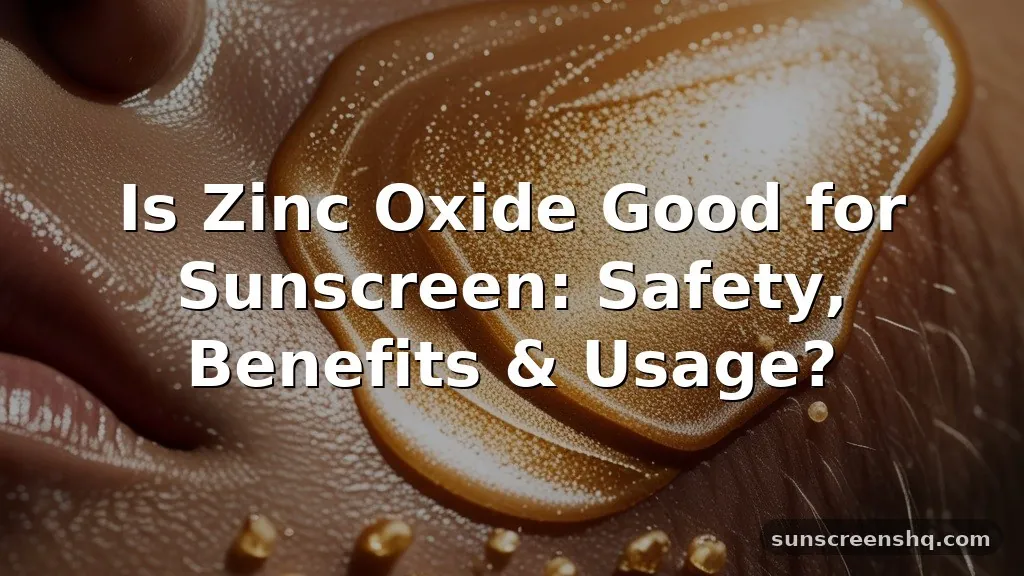
Unlike chemical filters that sink deep into your living tissue and convert sunlight into heat, zinc oxide acts as a physical shield. When you smooth a quality mineral sunscreen over your face, the microscopic particles form a protective film across your outer skin surface. These physical blockers reflect and scatter incoming ultraviolet rays away from your body before they can trigger burns or cellular harm.
This surface-level action means protection begins the exact second you finish rubbing the lotion in. You do not need to wait twenty minutes indoors before stepping outside into the glare.
Because the active ingredients simply rest on top of your epidermis, they rarely trigger the stinging allergic reactions often caused by synthetic chemical blockers. Dermatologists frequently recommend these gentle preparations for people managing rosacea, eczema, or hyperpigmentation.
Ultraviolet Protection Spectrum and SPF Ratings
A primary reason experts endorse these formulas is their remarkable ability to block both ultraviolet A and ultraviolet B energy. UVA rays penetrate deep into living tissue, driving premature aging, wrinkles, and long-term cellular mutations. UVB rays target the outer layers, causing painful sunburns and immediate surface damage. Many traditional chemical formulas require multiple synthetic compounds combined together to achieve full-spectrum defense.
Zinc oxide naturally covers the entire ultraviolet spectrum on its own, providing exceptionally balanced protection against both radiation types. To understand how different active ingredients compare, look at the structural breakdown below:
| Sunscreen Type | Primary Mechanism | UVA/UVB Coverage | Typical White Cast |
|---|---|---|---|
| Zinc Oxide | Physical reflection and scattering | Broad-spectrum (Full UVA/UVB) | Moderate to Low (depends on particle size) |
| Titanium Dioxide | Physical reflection | Strong UVB, Moderate UVA | Moderate |
| Avobenzone (Chemical) | UV absorption and heat conversion | Good UVA, requires stabilizers | None |
Higher SPF ratings indicate how long you can stay outside without burning compared to wearing no protection at all. Selecting the right factor depends entirely on your planned activities and local UV index.
Comparing Mineral and Chemical Formulations
Choosing between physical and synthetic options involves weighing several distinct trade-offs regarding texture, application, and environmental impact. Chemical sunscreens rely on ingredients like oxybenzone or avobenzone that require absorption into the epidermis to function properly. While these options often blend in completely invisible and feel lightweight, they can occasionally lead to clogged pores or stinging eyes during heavy sweat sessions.
Oxide sunscreens stay entirely on the exterior, making them inherently safer for fragile barriers and acne-prone complexions. Modern manufacturing techniques now utilize micronized or nanoparticles that drastically reduce the dreaded white cast once notorious in older formulations. Brands now blend these minerals into tinted moisturizers and elegant daily lotions that match diverse complexions seamlessly.
* Zero waiting period required after application
* Inherently photostable and won’t break down quickly in direct sunlight
* Far less likely to cause stinging or contact dermatitis
* Better suited for reactive, easily irritated complexions
Environmental Impact and Marine Safety
Beyond personal health benefits, your choice of UV protection directly affects marine ecosystems, coral reefs, and aquatic wildlife. Traditional synthetic filters like octinoxate wash off swimmers and accumulate in fragile coral ecosystems, contributing to bleaching and endocrine disruption in marine life. Environmental agencies and marine biologists now strongly encourage vacationers to seek out reef-safe alternatives.
Because oxide sunscreens do not dissolve into toxic byproducts in ocean water, they pose significantly lower risks to aquatic organisms. The physical particles remain largely inert when entering natural waterways.
Making this simple switch keeps local beaches healthy while shielding your body from harsh solar radiation. For more details on environmental standards, you can review the guidelines published by the National Oceanic and Atmospheric Administration.
Potential Drawbacks and Practical Limitations
Even though this mineral ingredient boasts an impressive safety profile, it does come with a few minor drawbacks you should keep in mind. Traditional, non-micronized formulations can feel thick, heavy, and difficult to spread evenly across hairy areas or dry patches. This heavy texture occasionally discourages daily application if you prefer an imperceptible finish under makeup.
Water resistance varies widely among different brands, meaning you still need to reapply your protection diligently at least every two hours—or immediately after swimming and heavy towel drying. Some formulations can leave a faint whitish residue on darker complexions unless you thoroughly massage the product into your pores. Selecting modern, sheer, or tinted variants easily solves this aesthetic issue.
Addressing Topical Gaps and Common Misconceptions
Many consumers worry that physical mineral blockers might clog pores or trigger breakouts, but the reality is quite reassuring. Because zinc oxide possesses natural antimicrobial properties, it often helps soothe inflamed, acne-prone tissue rather than making blemishes worse. It sits passively on your skin without penetrating the follicles where pimples typically form.
Another frequent myth is that higher SPF ratings mean you can stay outside all day without reapplying. No matter how high the number printed on the bottle goes, physical and chemical barriers both degrade under intense sweat and friction. Regular reapplication remains the single best defense against premature aging and painful sunburns.
Frequently Asked Questions
Can I just use pure zinc oxide powder as sunscreen?
Mixing pure powder into random lotions at home is dangerous and ineffective. Commercial manufacturers mill particles to precise sizes and blend them into tested chemical bases to ensure even coverage and verified SPF ratings. DIY mixtures leave dangerous gaps in protection.
What are the disadvantages of zinc oxide sunscreen?
The main downsides include a potential white cast on darker skin tones, a thicker texture that requires more effort to blend, and a tendency to rub off on clothing more easily than synthetic chemical formulas.
Is zinc oxide safe for sensitive skin?
Yes, it is widely considered the safest choice for reactive complexions. Because the mineral sits on the surface rather than absorbing into living tissue, it rarely triggers allergic contact dermatitis or stinging eyes.
Does zinc oxide expire?
Yes, like all topical skincare items, these products feature an expiration date stamped on the packaging. Over time, the active ingredients separate and lose their structural integrity, dropping their protective capabilities significantly.
Conclusion
Selecting the right defense against UV radiation comes down to understanding your skin’s unique needs and your personal lifestyle habits. When considering whether is zinc oxide good for sunscreen, the overwhelming consensus from dermatologists points to a resounding yes due to its broad-spectrum defense and gentle nature.
By choosing high-quality mineral formulations, you protect your body from premature aging while keeping your daily routine simple and effective. Take a moment to check your current skincare shelf and upgrade to a reliable mineral option today.