
When you stand in front of your bathroom mirror trying to figure out if you should grab your SPF or your lotion first, you are not alone. Knowing whether does sunscreen or moisturizer go first can change how well your skincare routine actually works. Get the order wrong, and you might accidentally dilute your sun protection or block your spf from doing its job.
The Golden Rule of Daily Skincare Layering
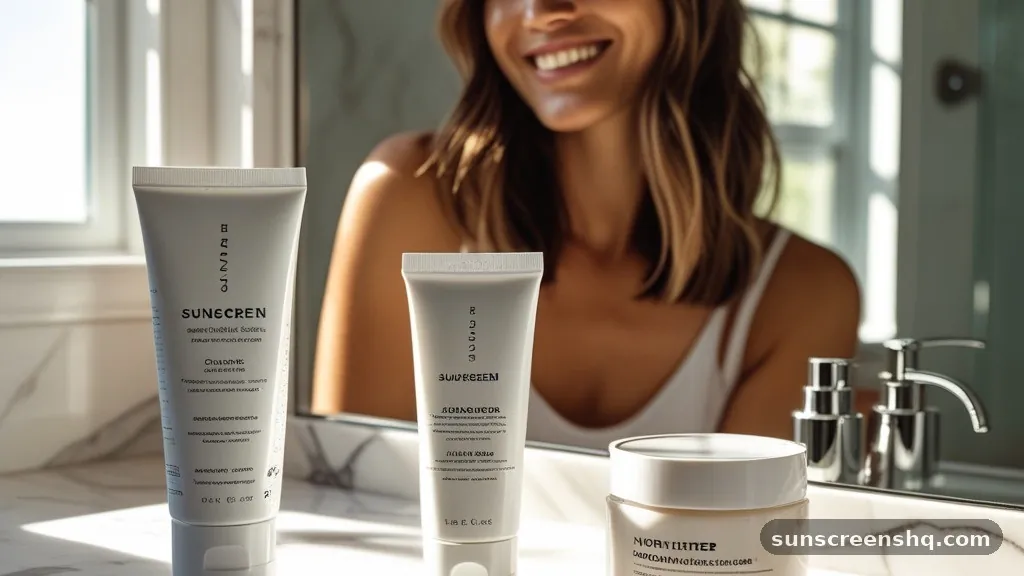
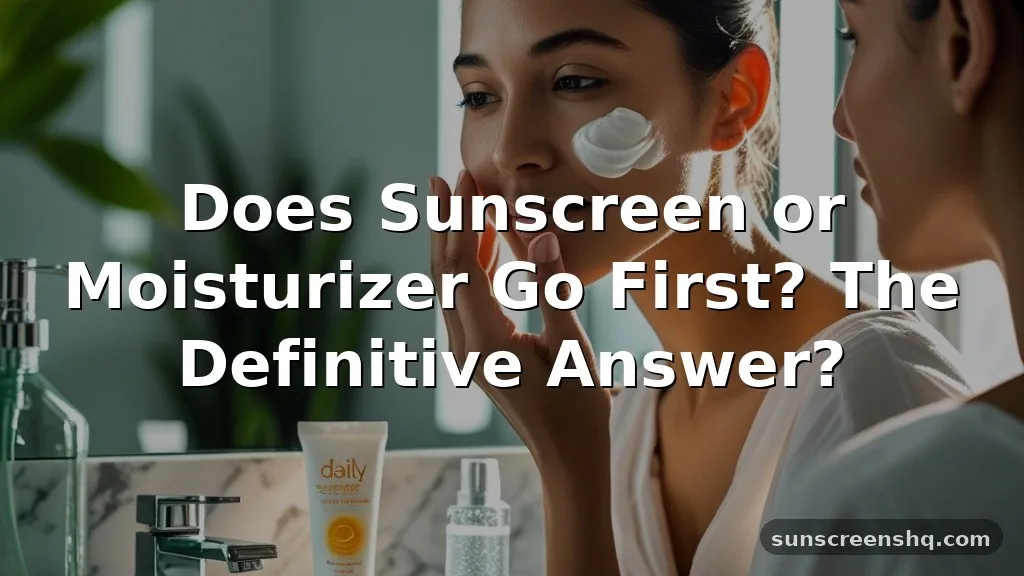
When figuring out whether does sunscreen or moisturizer go first, dermatologists almost universally agree that your sunscreen needs to be the final step in your morning skincare routine before you start applying makeup. Moisturizer goes on first because it needs to bond directly with clean skin to hydrate properly. If you put a heavy cream over a high-SPF shield, you disrupt the protective film and let harmful rays slip through.
Think of your sun protection shield as an invisible raincoat. Raincoats sit on the outside of your clothes, not underneath your sweater.
Your face sunscreen works the exact same way. It forms an even barrier on top of your moisturizer, reflecting and absorbing UV light before it can damage your living cells.
Waiting about one to two minutes between layers gives your hydrating cream a chance to absorb fully. Rushing straight from a rich lotion to an spf formula turns your face into a slippery slide. Your protective shield will pill, streak, and leave patchy gaps where the sun can easily burn your nose and cheeks.
How Chemical Versus Mineral Formulas Change the Rules
The chemical makeup of your sun protection changes how it interacts with the products underneath it. Chemical sunscreens rely on active ingredients that soak into the epidermis to convert UV light into heat. For these formulas to work, they actually need to make direct contact with bare skin to be fully effective.
However, modern cosmetic chemistry allows most chemical UV filters to layer successfully over a standard moisturizer without losing much efficacy. The exception occurs when you use very heavy, occlusive balms that create a thick plastic-like seal. That kind of heavy moisturizing barrier blocks the chemical filters from sinking in properly, which compromises your day defense.
Mineral sunscreens use physical blockers like zinc oxide and titanium dioxide. These sit entirely on top of the skin like tiny reflective shields.
Because they bounce light away rather than absorbing it, they rely heavily on a smooth base. Putting a mineral shield underneath your hydrating cream ruins its reflective matrix and leaves you exposed.
| Product Type | Primary Mechanism | Ideal Layering Position |
|---|---|---|
| Hydrating Lotion | Locks in water and repairs barrier | First step in morning routine |
| Chemical Sunscreen | Absorbs and converts UV rays | After lotion, before makeup |
| Mineral Sunscreen | Reflects and scatters UV rays | Absolute final skincare layer |
What Happens When You Mix Your Products Together
Some people try to save time by mixing their lotion and their spf together in the palm of their hand before smearing it on. Dermatologists advise strongly against this shortcut. Diluting an spf product with a moisturizer completely ruins the chemistry of the formulation.
When you blend two distinct cosmetic formulas together, you create an uneven concentration of UV filters. Some areas of your face might get heavy coverage, while other spots get almost zero protection. You end up playing Russian roulette with sunburns and premature aging.
If you want a streamlined daily routine, skip the mixing bowl and look for a dedicated sunscreen moisturizer or a multitasking product that has been tested and approved by regulatory bodies like the FDA. These hybrid formulas combine hydration and sun defense safely into a single bottle without compromising the chemistry.
Choosing the Right Formulas for Your Unique Skin Type
Your specific skin type dictates which textures you should use when applying your morning layers. Dry complexions thrive when you apply a rich, nourishing cream before moisturizer steps or right alongside a hydrating milk. Oily complexions need lightweight, gel-based formulas that dry down to a matte finish.
People with acne-prone or sensitive skin often struggle to find a combination that doesn’t trigger breakouts. If your pores clog easily, look for non-comedogenic labels on both your hydrating lotion and your UV defense shield. Heavy, oily moisturizers trap dirt and sweat beneath a physical sun shield, creating the perfect storm for pimples.
- Dry skin needs cream-based hydrators paired with emollient UV shields.
- Oily skin benefits from gel hydrators and fluid, matte sun protection.
- Sensitive complexions require fragrance-free mineral formulas to prevent stinging.
The Danger of Waiting Too Long Between Steps
Timing your morning routine correctly makes a massive difference in how your products perform. If you rush through your skincare routine, you risk pilling and uneven coverage. But waiting thirty minutes between your moisturizer and your spf is overkill.
Give your hydrating cream about sixty seconds to sink in. Once your skin feels slightly tacky rather than wet, you are safe to apply your sun defense. This small pause ensures your hydration stays locked in while giving your UV defense a stable foundation to grip.
Remember that your neck and ears need the exact same treatment as your face. Extend every layer down past your jawline to prevent premature aging on your neck, an area that often shows sun damage first.
Common Mistakes That Compromise Your Sun Protection
Even when people know the correct order, simple application errors can render their sun protection useless. The most common mistake is using a tiny pea-sized drop of sun defense for the entire face and neck. Dermatologists recommend using a full nickel-sized amount for adequate coverage.
Another frequent trap is relying solely on the SPF found inside your liquid foundation or tinted powder. Makeup rarely gets applied thickly enough to provide the stated sun protection factor on the label. Always lay down a dedicated base layer of sun defense before touching any cosmetics.
Finally, remember that UV rays bounce off concrete, sand, and even snow. Skipping your day defense because it’s cloudy outside leaves your skin vulnerable to UVA rays that penetrate through window glass and heavy overcast skies.
Frequently Asked Questions
Should I wait for my moisturizer to dry before applying sunscreen?
Yes, waiting about sixty seconds allows your hydrating cream to absorb fully. This prevents your sun defense from sliding around, pilling, or mixing unevenly into your lotion, ensuring you get the full stated SPF protection on your face.
Can I just use a moisturizer with SPF instead of two separate products?
You can use a combination product if it has been tested and certified for broad-spectrum protection. However, most people do not apply enough product to reach the labeled SPF, so a dedicated sunscreen is usually safer.
Does chemical sunscreen deactivate if applied over moisturizer?
Chemical sunscreens do not deactivate completely when layered over standard hydrating lotions. As long as your moisturizer is fully absorbed and not overly greasy or occlusive, the chemical filters will still absorb into the skin properly.
How much sunscreen do I need to apply to my face?
Dermatologists recommend using about a nickel-sized dollop, or two full finger-lengths of product, to cover your entire face, ears, and neck adequately. Skimping on this amount drastically reduces your actual UV protection.
Conclusion
Mastering the correct order of your morning products ensures your skin stays healthy, hydrated, and protected from premature aging. Keep your hydrating lotion as your foundational step, let it settle briefly, and always finish with your chosen sun defense before stepping outside. Take a moment to evaluate your current shelf of products today and adjust your layering order for better, safer results.