
Can you be allergic to sunscreen? It’s a question many people ponder, especially those who experience skin reactions after applying sunscreen products. While sunscreen is essential for protecting our skin from harmful UV rays, some individuals may find that their skin reacts negatively to certain ingredients found in these products. In this article, we will explore the causes and symptoms of sunscreen allergies, the ingredients that may trigger them, and alternative sun protection methods.
Understanding Sunscreen and Its Importance
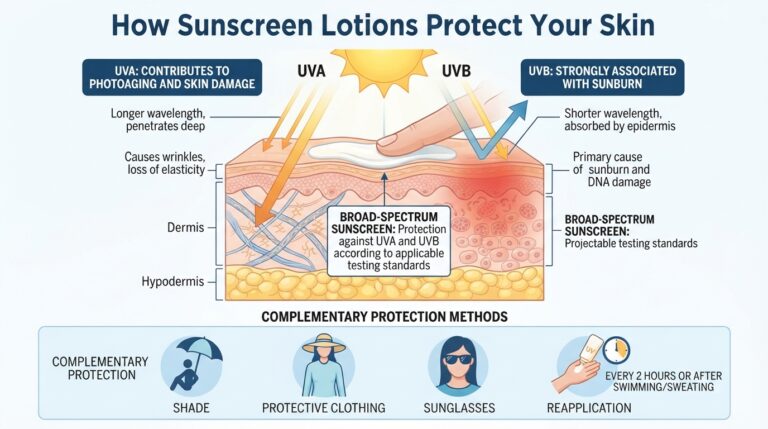
Sunscreen is a topical product designed to protect the skin from the sun’s ultraviolet (UV) rays, which can lead to skin cancer, sunburn, and premature aging. Sunscreens come in various formulations, including lotions, sprays, gels, and sticks, and they typically contain active ingredients that either absorb or reflect UV radiation. There are two primary types of UV rays:
- UVA: These rays penetrate the skin deeply and are associated with aging and long-term skin damage.
- UVB: These rays are responsible for sunburn and play a significant role in developing skin cancer.
With the increased awareness of skin cancer risks, the use of sunscreen has become more prevalent. However, the rise in allergic reactions to these products raises valid concerns.
Can You Be Allergic to Sunscreen? The Answer is Yes
Yes, it is possible to be allergic to sunscreen. An allergy occurs when the immune system reacts to a substance it perceives as harmful. In the case of sunscreen, specific ingredients may trigger this response in some individuals. Understanding these ingredients can help those with sensitivities make informed choices when selecting sun protection products.
Common Allergens in Sunscreen
Several ingredients commonly found in sunscreens can cause allergic reactions. Here are a few:
- Fragrances: Many sunscreens contain synthetic or natural fragrances, which can irritate sensitive skin.
- Preservatives: Compounds like parabens and phenoxyethanol are often used to extend shelf life, but they can provoke allergic reactions in some.
- Active Ingredients: Some active ingredients, particularly certain chemical UV filters, can cause skin irritation or allergic responses. Examples include:
- Oxybenzone
- Octocrylene
- Avobenzone
Recognizing Sunscreen Allergy Symptoms
If you suspect you may be allergic to sunscreen, it’s essential to recognize the symptoms. Reactions can vary widely from person to person but commonly include:
- Redness and irritation at the application site
- Rash or hives
- Itching or burning sensation
- Dryness or peeling skin
- Swelling in severe cases
If you experience any of these symptoms after applying sunscreen, it’s advisable to discontinue use and consult with a dermatologist for further evaluation.
Diagnosing a Sunscreen Allergy
Diagnosing an allergy can involve several steps:
- Medical History: Your doctor will ask about your symptoms, when they occur, and any other products you use.
- Patch Testing: A dermatologist may perform patch tests, applying small amounts of various substances to your skin to identify specific allergens.
- Elimination Method: Temporarily stopping the use of all sunscreens can help determine whether a particular product is the cause of your reactions.
Alternative Sun Protection Options
If you have an allergy to certain sunscreens, there are several alternatives to consider:
Physical (Mineral) Sunscreens
Mineral sunscreens, which contain zinc oxide or titanium dioxide, are often better tolerated by sensitive skin. These ingredients work by sitting on top of the skin and physically blocking UV rays rather than absorbing them.
Fragrance-Free Options
Many brands offer fragrance-free sunscreens specifically designed for sensitive skin. These products often contain fewer irritants.
Sun-Protective Clothing
Wearing clothing designed to block UV rays can provide an additional layer of protection. Look for fabrics with a UPF (Ultraviolet Protection Factor) rating for optimal protection.
Shade and Timing
Avoiding direct sunlight, especially during peak hours (10 AM to 4 PM), and seeking shade can significantly reduce your risk of sunburn and skin damage.
How to Choose the Right Sunscreen
Selecting the right sunscreen can make all the difference, particularly if you have sensitive skin or a history of allergies. Here are some tips for choosing a suitable product:
- Look for Broad Spectrum protection to shield against both UVA and UVB rays.
- Opt for Mineral Sunscreens if you have sensitive skin.
- Choose Fragrance-Free products to reduce the chance of irritation.
- Read labels carefully and avoid products with known allergens.
- Test new products on a small patch of skin before widespread use.
Conclusion
In summary, the question—can you be allergic to sunscreen?—is answered with a resounding yes. It’s crucial to be aware of the potential allergens in sunscreen and to listen to your body when trying new products. If you suspect you have a sunscreen allergy, consulting with a dermatologist can help you find suitable alternatives and protect your skin effectively. Remember, protecting your skin from UV damage is vital, but so is ensuring that the products you use are compatible with your skin type.