
As summer approaches and the sun beckons us outdoors, you may find yourself wondering, can you still tan with sunscreen? This is a common question for those who want to enjoy the sun while protecting their skin. In this article, we will delve into the science of tanning, the role of sunscreen, and how you can safely enjoy the sun without compromising your skin health.
The Science of Tanning
To understand whether you can tan while wearing sunscreen, it’s essential to know how tanning works. When your skin is exposed to ultraviolet (UV) rays from the sun, it produces more melanin, the pigment responsible for skin color. This process is a natural defense mechanism against UV radiation, which can damage skin cells.
Types of UV Rays
There are two primary types of UV rays that affect our skin:
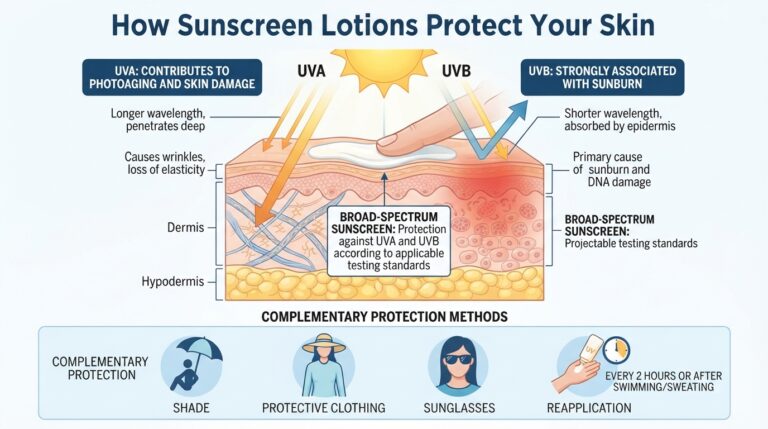
- UVA Rays: These rays penetrate deeply into the skin and are primarily responsible for aging and long-term skin damage. UVA rays are present all day, even during cloudy weather.
- UVB Rays: These rays are responsible for causing sunburn and play a significant role in the development of skin cancer. UVB rays are stronger in the summer and at higher altitudes.
Both types of UV radiation can lead to skin damage, which is why sunscreen is a crucial part of sun safety.
How Sunscreen Works
Sunscreens are formulated to protect your skin from the harmful effects of UV radiation. They contain active ingredients that either absorb or reflect UV rays. The effectiveness of sunscreen is measured by its Sun Protection Factor (SPF) rating. Here’s a breakdown of how sunscreen works:
Active Ingredients in Sunscreen
Sunscreens typically contain either chemical or physical (mineral) blockers:
- Chemical Sunscreens: These contain organic compounds that absorb UV radiation and transform it into heat, which the skin then releases. Common ingredients include avobenzone, octisalate, and octocrylene.
- Physical Sunscreens: Also known as mineral sunscreens, these contain active mineral ingredients like zinc oxide or titanium dioxide that sit on top of the skin and reflect UV rays.
Understanding SPF
The SPF number indicates how well the sunscreen protects against UVB rays. For example:
| SPF Rating | UVB Protection | Time to Burn |
|---|---|---|
| 15 | 93% | 15 times longer than without sunscreen |
| 30 | 97% | 30 times longer than without sunscreen |
| 50 | 98% | 50 times longer than without sunscreen |
While higher SPF ratings provide better protection, no sunscreen can block 100% of UV rays. This is why understanding the limits of sunscreen is essential when considering if you can tan while using it.
Can You Tan While Wearing Sunscreen?
Now that we’ve established how tanning works and how sunscreen functions, let’s address the core question: can you still tan with sunscreen? The answer is yes, you can still tan while wearing sunscreen, but several factors influence the degree of tanning you experience.
Factors Affecting Tanning with Sunscreen
Here are some key factors that determine how much you can tan while wearing sunscreen:
- Type of Sunscreen: As mentioned earlier, different sunscreens have varying effectiveness. Physical sunscreens generally provide broader protection against both UVA and UVB rays.
- SPF Level: The higher the SPF, the more UVB rays are blocked. However, even SPF 30 allows some UV rays to penetrate the skin, which can result in tanning.
- Application Amount: Most people do not apply enough sunscreen. The recommended amount is about an ounce (a shot glass full) for full body coverage. Insufficient application can lead to increased tanning.
- Reapplication Frequency: Sunscreen should be reapplied every two hours, or more frequently if swimming or sweating. Failing to do so can diminish its protective effect.
- Time Spent in the Sun: The longer you stay in the sun, the more UV exposure you receive. Even with sunscreen, prolonged sun exposure can lead to tanning.
Safe Tanning Practices
While many enjoy the glow of a tan, it’s crucial to practice safe tanning to minimize skin damage and health risks. Here are some tips for safe tanning:
1. Choose the Right Sunscreen
Opt for a broad-spectrum sunscreen that protects against both UVA and UVB rays. Look for an SPF of at least 30 for adequate protection.
2. Apply Generously
Apply sunscreen generously to all exposed skin. Don’t forget areas like the ears, back of the neck, and the tops of your feet.
3. Reapply Regularly
Reapply sunscreen every two hours, or immediately after swimming or sweating. This ensures continued protection throughout your time outdoors.
4. Limit Sun Exposure
Avoid the sun during peak hours, typically between 10 AM and 4 PM. This will reduce your risk of overexposure and sunburn.
5. Seek Shade
Whenever possible, seek shade, especially during the hottest parts of the day. This can help you enjoy the outdoors while minimizing sun exposure.
Understanding the Risks of Tanning
While tanning may be appealing, it’s vital to recognize the associated risks. Tanning, whether natural or from tanning beds, increases your risk of skin cancer and accelerates skin aging.
Skin Cancer Risks
According to the American Academy of Dermatology, one in five Americans will develop skin cancer in their lifetime. The risks associated with tanning include:
- Melanoma: This is the deadliest form of skin cancer, and exposure to UV radiation increases the risk.
- Basal Cell Carcinoma: This is the most common type of skin cancer, often resulting from cumulative sun exposure over time.
- Squamous Cell Carcinoma: This type of skin cancer is also linked to UV exposure and can be aggressive if not treated early.
Signs of Skin Damage
Be aware of the signs of skin damage, which may include:
- New moles or changes in existing moles
- Rough, scaly patches
- Persistent sores that do not heal
- Changes in skin texture or color
Conclusion: Enjoying the Sun Responsibly
So, can you still tan with sunscreen? The answer is a qualified yes, but with careful consideration of your sunscreen choice, application, and sun exposure. While a golden tan may be desirable, it’s essential to prioritize skin health and safety. By following safe tanning practices and being aware of the risks, you can enjoy the sun responsibly and protect your skin for years to come. Remember, the goal is to achieve a healthy glow without compromising your skin’s health.