
Many people wonder, “Do you tan with sunscreen?” This question often arises during the sunny months when beach trips and outdoor activities become more frequent. Understanding the relationship between sunscreen and tanning is crucial for anyone who wants to enjoy the sun while protecting their skin.
The Basics of Tanning
Tanning occurs when the skin produces more melanin in response to ultraviolet (UV) radiation from the sun. This process is the body’s natural defense against sun damage. However, excessive tanning can lead to skin damage, premature aging, and an increased risk of skin cancer. It’s important to understand how sunscreen fits into this picture.
How Sunscreen Works
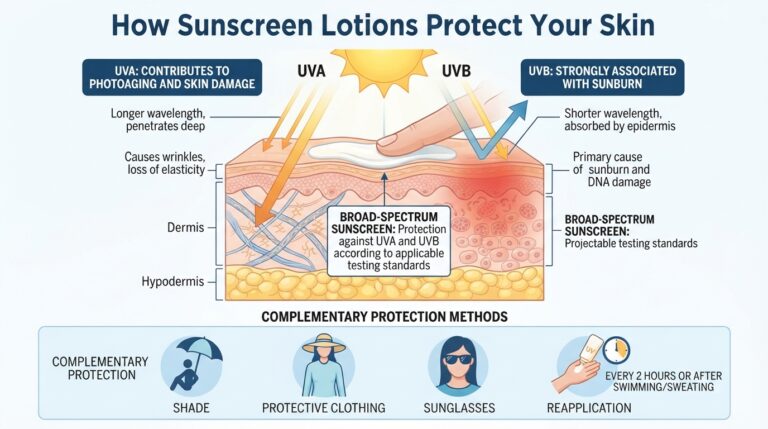
Sunscreen is designed to protect your skin from the harmful effects of UV rays. There are two main types of UV rays that affect the skin:
- UVA Rays: These rays penetrate deeper into the skin and are primarily responsible for aging and the formation of wrinkles.
- UVB Rays: These rays are responsible for causing sunburn and play a significant role in the development of skin cancer.
Sunscreen works by either absorbing or reflecting these UV rays. The effectiveness of sunscreen is measured by its Sun Protection Factor (SPF) rating, which indicates the level of protection it offers against UVB rays.
Can You Tan While Wearing Sunscreen?
The short answer is yes; you can still tan while using sunscreen. However, the degree of tanning will be less intense compared to not wearing any protection at all. This is due to several factors:
1. SPF Level
The higher the SPF, the more UV rays are blocked. For instance, an SPF of 30 blocks about 97% of UVB rays, while SPF 50 blocks about 98%. Although these percentages sound significant, they still allow a small amount of UV radiation to penetrate the skin, which can lead to tanning.
2. Type of Sunscreen
There are two main types of sunscreen: chemical and physical (or mineral) sunscreens. Chemical sunscreens absorb UV radiation, while physical sunscreens reflect it. Depending on the formulation, both types can allow some UV rays to reach your skin, leading to a tan.
3. Application and Reapplication
How you apply sunscreen matters greatly. Many people do not apply enough product or forget to reapply it every two hours, especially after swimming or sweating. Inadequate application can lead to more UV exposure, resulting in tanning.
4. Skin Type and Individual Response
Everyone’s skin reacts differently to the sun. Factors like your natural skin tone, the amount of melanin in your skin, and your history of sun exposure all contribute to how you tan. Those with lighter skin may burn before they tan, while those with darker skin may tan more easily even with sunscreen on.
How to Effectively Use Sunscreen to Minimize Tanning
If you want to enjoy the sun while minimizing tanning, here are some tips to effectively use sunscreen:
- Choose a Broad-Spectrum Sunscreen: Look for a sunscreen that offers protection against both UVA and UVB rays.
- Use the Right SPF: For daily wear, an SPF of 30 is appropriate, but if you plan to spend extended time outdoors, consider using SPF 50 or higher.
- Apply Generously: Use about one ounce (enough to fill a shot glass) for full body coverage. Don’t forget areas like your ears, back of your neck, and the tops of your feet.
- Reapply Regularly: Reapply every two hours and immediately after swimming or sweating.
- Avoid Peak Sun Hours: The sun’s rays are strongest between 10 AM and 4 PM. Seek shade during these hours whenever possible.
Understanding the Risks of Tanning
Even with sunscreen, it’s essential to be aware of the risks associated with tanning. Here are some potential dangers:
- Skin Damage: Any tan is a sign of skin damage. Repeated exposure to UV radiation can lead to long-term health issues.
- Premature Aging: Tanning accelerates the aging process, leading to wrinkles, age spots, and loss of skin elasticity.
- Skin Cancer: The most serious risk of tanning is skin cancer. According to the Skin Cancer Foundation, just one sunburn increases your risk of developing melanoma by 20%.
Alternatives to Sun Tanning
If you’re looking for a tan without the risks associated with UV exposure, consider these alternatives:
- Self-Tanners: Products containing dihydroxyacetone (DHA) can give your skin a bronzed look without sun exposure.
- Spray Tans: Professional spray tanning is an option that provides even color and can be customized to your preference.
- Tanning Lotions and Creams: These can gradually build a tan over time, allowing for a more natural look without harmful UV exposure.
Conclusion
So, do you tan with sunscreen? Yes, you can tan while wearing sunscreen, but the level of tanning may be reduced depending on various factors, including SPF, application method, and individual skin type. However, it’s crucial to remember that any tan signifies skin damage, and safeguarding your skin should always be a priority. By correctly using sunscreen and considering sunless tanning alternatives, you can enjoy the sun while minimizing potential risks to your skin health.
Frequently Asked Questions
1. Can I skip sunscreen if I have darker skin?
No, regardless of skin type, everyone should wear sunscreen to protect against UV damage and skin cancer.
2. How often should I reapply sunscreen?
Reapply every two hours and after swimming or excessive sweating for optimal protection.
3. Is it safe to use sunscreen on my face?
Yes, using sunscreen on your face is essential, and many products are formulated specifically for facial use.
4. Does sunscreen expire?
Yes, most sunscreens have an expiration date, and using expired products may reduce their effectiveness.
5. What is the best type of sunscreen for sensitive skin?
Look for physical or mineral sunscreens containing zinc oxide or titanium dioxide, as they are less likely to irritate sensitive skin.