
When it comes to skincare, the question of how to effectively remove sunscreen is paramount. Many people wonder, does micellar water remove sunscreen? As a popular choice for makeup removal and cleansing, micellar water has gained attention for its effectiveness. But can it handle the task of removing stubborn sunscreen? In this article, we’ll dive into the science behind micellar water, its benefits, and how to use it properly for optimal skin health.
Understanding Micellar Water
Micellar water has become a staple in many skincare routines, beloved for its gentle yet effective cleansing properties. But what exactly is micellar water?
Micellar water consists of tiny oil molecules called micelles suspended in soft water. These micelles act like magnets, attracting dirt, makeup, and impurities from the skin without the need for rinsing. This makes micellar water a convenient option for those on the go or for individuals with sensitive skin.
How Micellar Water Works
Micelles have a unique structure; one side is hydrophilic (water-attracting), while the other is hydrophobic (water-repelling). When you apply micellar water to a cotton pad and swipe it across your skin, the hydrophobic side attaches to oil and dirt, lifting it away without stripping your skin of its natural moisture.
The Role of Sunscreen in Skincare
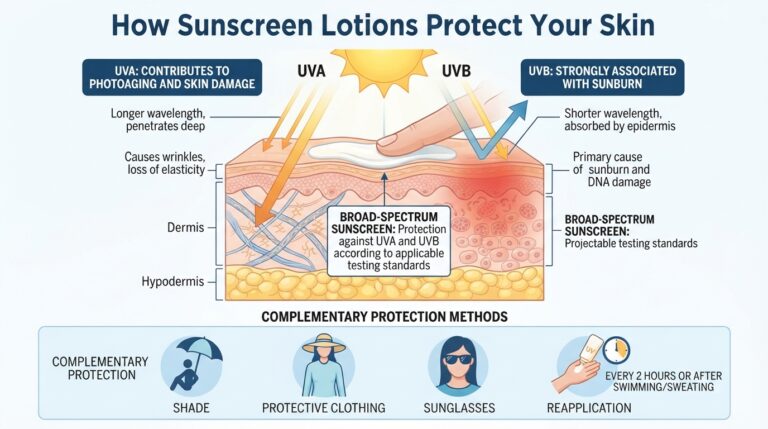
Sunscreen is crucial for protecting your skin from harmful UV rays, which can lead to premature aging and skin cancer. However, sunscreen can be quite thick and stubborn, especially if it is water-resistant or contains physical blockers like zinc oxide or titanium dioxide.
For effective sun protection, it is essential to apply sunscreen generously and reapply throughout the day. But this also means that you need a robust cleansing method to remove it at the end of the day.
Types of Sunscreen
Sunscreens generally fall into two categories: chemical and physical. Understanding the type of sunscreen you use can inform your cleansing routine.
- Chemical Sunscreens: These absorb UV radiation and convert it into heat, which is then released from the skin. They tend to have a lighter texture and are often easier to wash off.
- Physical (Mineral) Sunscreens: These sit on top of the skin and reflect UV rays. They can be thicker and more challenging to remove, requiring more effort in cleansing.
Does Micellar Water Remove Sunscreen Effectively?
The effectiveness of micellar water in removing sunscreen largely depends on the formulation of the sunscreen and the type of micellar water used. Here are some key points to consider:
- Water-Resistant Sunscreens: These formulas can be difficult for micellar water to break down, especially if you have applied several layers.
- Formulation Matters: Some micellar waters are formulated with additional oils or cleansing agents that can enhance their ability to remove heavy products like sunscreen.
- Skin Type: If you have oily skin, micellar water may be effective, but those with drier skin may find that they need additional cleansing methods.
What the Research Says
Several studies have examined the cleansing efficacy of micellar water. Results indicate that while micellar water can effectively remove light makeup and impurities, its performance against heavy sunscreens is variable. A study published in a dermatological journal found that while micellar water can remove most chemical sunscreens effectively, physical sunscreens often require a double cleansing method for complete removal.
Best Practices for Using Micellar Water to Remove Sunscreen
If you decide to use micellar water to remove your sunscreen, here are some best practices to follow:
- Choose the Right Micellar Water: Look for one that is specifically labeled as effective for makeup and sunscreen removal, often containing oils for better cleansing.
- Use Enough Product: Don’t skimp on the amount of micellar water. Soak a cotton pad adequately to ensure it can attract and remove the sunscreen.
- Gentle Motion: Use gentle, sweeping motions when applying the micellar water to avoid irritating your skin.
- Double Cleanse if Necessary: If you feel residue after using micellar water, follow up with a gentle cleanser or a foaming face wash to ensure all product is removed.
Alternatives to Micellar Water for Sunscreen Removal
While micellar water can be effective, there are alternative methods for sunscreen removal that may be more suitable for certain individuals:
- Oil Cleansers: These break down makeup and sunscreen effectively due to their oil-based formulation.
- Foaming Cleansers: A gentle foaming cleanser can help remove sunscreen and other impurities without stripping the skin.
- Makeup Remover Wipes: For on-the-go removal, wipes can be convenient, though they may not be as thorough as other methods.
Conclusion
In conclusion, while micellar water can be an effective option for removing sunscreen, its efficacy may vary based on the type of sunscreen and individual skin type. For best results, consider a double-cleansing method or using micellar water in conjunction with other cleansing products, especially for heavy or water-resistant sunscreens. Always choose a high-quality micellar water that suits your skin’s needs, and don’t forget to follow up with a suitable skincare routine. By doing so, you can ensure your skin remains healthy, clean, and protected from the sun’s harmful effects.