
When it comes to protecting your skin from harmful UV rays, sunscreen is your best ally. However, many people wonder, does sunscreen expire? Understanding the shelf life and effectiveness of sunscreen is crucial for ensuring your skin remains protected during sun exposure. In this article, we will explore the expiration of sunscreen, how to properly store it, and tips for choosing the right product.
Understanding Sunscreen Formulations
Sunscreens come in a variety of formulations, including lotions, creams, sprays, and gels. Each type has its own properties, but they all serve the same primary purpose: to protect your skin from UV radiation. Sunscreens contain active ingredients that absorb or reflect UV rays, and these ingredients can degrade over time.
Active Ingredients in Sunscreen
Most sunscreens contain either chemical or physical (mineral) active ingredients:
- Chemical Ingredients: These include substances like avobenzone, octisalate, and octocrylene, which absorb UV radiation and convert it into heat, releasing it from the body.
- Physical Ingredients: Zinc oxide and titanium dioxide fall into this category. They sit on the skin’s surface and reflect UV rays away from the skin.
These active ingredients can lose their effectiveness over time, which leads to the importance of checking for expiration dates.
Does Sunscreen Expire? The Science Behind It
The short answer is yes, sunscreen does expire. Most sunscreen products have an expiration date printed on their packaging, which typically ranges from three to five years after the manufacturing date. However, various factors can influence the shelf life of sunscreen, including storage conditions and the formulation itself.
Factors Affecting Sunscreen Expiration
Several factors can contribute to the deterioration of sunscreen:
- Heat and Humidity: High temperatures and humidity can break down the active ingredients, leading to decreased efficacy.
- Exposure to Air: Frequent opening of the product can introduce air, which can cause oxidation and reduce the effectiveness of certain ingredients.
- Light Exposure: Ultraviolet light can also degrade the active ingredients in sunscreen, making it less effective.
How to Check If Your Sunscreen is Still Effective
Before slathering on that bottle from last summer, it’s important to check if your sunscreen is still effective. Here are some steps you can follow:
1. Check the Expiration Date
The easiest way to determine if your sunscreen is still good is to look for the expiration date printed on the packaging. If it has passed, it’s best to discard the product.
2. Inspect the Packaging
Examine the bottle for any signs of damage, such as cracks or leaks. If the bottle is compromised, the sunscreen may have been contaminated or rendered ineffective.
3. Smell Test
Most sunscreens have a distinct scent. If the product smells off or rancid, it may be time to throw it away, even if it’s before the expiration date.
4. Consistency and Color
Check the texture and color of the sunscreen. If it has separated, changed color, or appears clumpy, it’s a sign that it may no longer be effective.
Proper Storage of Sunscreen
To maximize the shelf life of your sunscreen, proper storage is essential. Here are some tips:
- Keep it Cool: Store your sunscreen in a cool, dry place away from direct sunlight. Avoid leaving it in a hot car or near heat sources.
- Tightly Seal: Always make sure the cap is tightly closed after each use to minimize air exposure.
- Avoid Humid Areas: Bathrooms, while convenient for application, can be humid. Consider storing your sunscreen in a cooler, drier area.
Choosing the Right Sunscreen
When selecting sunscreen, it’s essential to choose a product that suits your skin type and lifestyle. Here are some factors to consider:
1. SPF Rating
The Sun Protection Factor (SPF) indicates the level of protection the sunscreen offers against UVB rays. The American Academy of Dermatology recommends using a broad-spectrum sunscreen with an SPF of at least 30.
2. Broad-Spectrum Protection
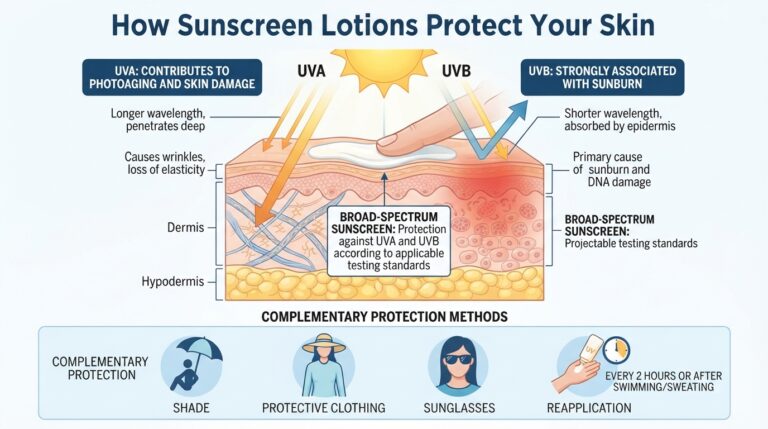
Look for products labeled “broad-spectrum,” which means they protect against both UVA and UVB rays. UVA rays can prematurely age your skin, while UVB rays are primarily responsible for sunburn.
3. Water Resistance
If you plan to swim or sweat, consider a water-resistant sunscreen. These products are designed to maintain their SPF for a certain amount of time while you’re sweating or in the water, usually 40 or 80 minutes.
4. Skin Type Considerations
Your skin type plays a role in the type of sunscreen you should choose:
- Oily or Acne-Prone Skin: Opt for oil-free or non-comedogenic formulations to avoid clogging pores.
- Dry Skin: Look for moisturizing sunscreens that contain hydrating ingredients like glycerin or hyaluronic acid.
- Sensitive Skin: Physical sunscreens with zinc oxide or titanium dioxide are often gentler and less likely to irritate sensitive skin.
Conclusion: The Importance of Sunscreen and Its Expiration
In summary, understanding whether sunscreen expires is essential for maintaining effective sun protection. Sunscreen does expire, and its effectiveness can diminish over time due to various factors like heat, humidity, and light exposure. Always check the expiration date, inspect the product for any changes, and store it properly to ensure you’re getting the best protection possible.
Choosing the right sunscreen tailored to your skin type and needs is just as important as ensuring it is effective. By taking these precautions, you can safeguard your skin from harmful UV rays and enjoy the sunshine safely.