
As summer approaches and we all start to spend more time outdoors, a common question arises: is sunscreen FSA eligible? Navigating Flexible Spending Accounts (FSAs) can be tricky, especially when it comes to determining what products qualify for reimbursement. In this comprehensive guide, we’ll explore the eligibility of sunscreen under FSA guidelines, the types of sunscreen available, and practical tips for maximizing your FSA benefits.
What is a Flexible Spending Account (FSA)?
Before diving into whether sunscreen is FSA eligible, it’s important to understand what an FSA is. A Flexible Spending Account is a tax-advantaged financial account that allows employees to set aside pre-tax dollars for qualified medical expenses. Here are some key points about FSAs:
- FSAs are offered by employers as part of a benefits package.
- They allow you to save money on taxes by using pre-tax income for eligible medical expenses.
- Funds in an FSA must be used by the end of the plan year, although some plans offer a grace period or allow a small amount to roll over.
Understanding FSA Eligible Expenses
To determine if sunscreen is FSA eligible, we first need to look at the list of qualified medical expenses as defined by the IRS. Eligible expenses often include:
- Prescription medications
- Medical devices (like crutches or blood sugar monitors)
- Office visits and co-pays
- Certain over-the-counter (OTC) products (after the 2020 CARES Act)
Over-the-Counter Products and the CARES Act
The CARES Act, enacted in March 2020, made significant changes to the eligibility of over-the-counter products for FSAs. Prior to this legislation, many OTC items required a prescription for reimbursement. However, the CARES Act allows individuals to purchase certain OTC products, including sunscreen, without a prescription. This legislative change is crucial for those looking to use FSA funds for sunscreen purchases.
Is Sunscreen FSA Eligible? The Verdict
The short answer is yes, sunscreen is generally considered FSA eligible, provided it meets specific criteria. To qualify for FSA reimbursement, the sunscreen must:
- Be used for the prevention of sunburn or skin cancer.
- Be classified as a medical product rather than just a cosmetic.
- Have a Sun Protection Factor (SPF) of 15 or higher.
Types of Sunscreen and Their FSA Eligibility
Not all sunscreens are created equal. Understanding the different types can help you make informed choices about what to purchase with your FSA funds. Here are the main categories:
- Chemical Sunscreens: These contain organic compounds that absorb UV radiation. Common ingredients include avobenzone, octisalate, and octocrylene.
- Physical (Mineral) Sunscreens: These utilize natural minerals like zinc oxide or titanium dioxide to deflect UV rays. They are often recommended for sensitive skin.
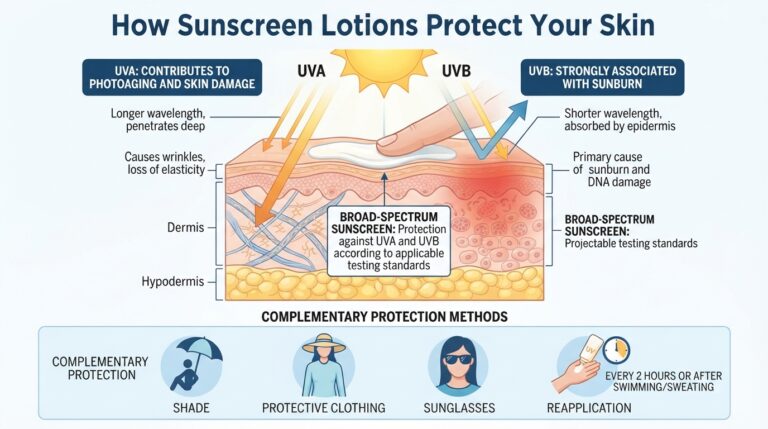
- Broad Spectrum Sunscreens: These protect against both UVA and UVB rays, providing comprehensive coverage.
Tips for Using Your FSA for Sunscreen Purchases
Now that you know sunscreen is FSA eligible, how can you effectively use your account to cover these expenses? Here are some practical tips:
1. Keep Receipts
Always keep your receipts when purchasing sunscreen. This is crucial for reimbursement claims and record-keeping.
2. Check Product Labels
Before buying sunscreen, check the label to ensure it meets FSA eligibility criteria. Look for the SPF rating and confirm that it’s marketed as a preventive medical product.
3. Understand Your FSA Plan
Different employers may have varying rules regarding what is eligible for reimbursement. Review your FSA plan documents for specific guidelines.
4. Purchase in Bulk
If you know you’ll need sunscreen throughout the year, consider purchasing in bulk. This can help you save money and ensure you always have a supply on hand.
5. Consider Additional Skin Care Products
Some FSAs may also cover other skin care items, such as moisturizers with SPF or after-sun treatments. Review your eligibility to maximize your benefits.
Common Questions About Sunscreen and FSA Eligibility
As you explore using your FSA for sunscreen, you may still have questions. Here are some of the most common queries:
Is sunscreen only eligible if prescribed by a doctor?
No, under the CARES Act, you do not need a prescription for sunscreen to be eligible for FSA reimbursement, as long as it meets the qualifying criteria.
Are there specific brands of sunscreen that are FSA eligible?
Eligibility is generally based on product classification rather than brand. However, it’s always wise to check the labeling and confirm that the product is intended for sun protection.
Can I use my FSA for sunscreen for my children?
Yes, sunscreen for children is also FSA eligible, provided it meets the same criteria as adult sunscreen. Protecting children’s skin from harmful UV rays is essential, and using FSA funds can help ease the financial burden.
Conclusion: Protect Your Skin and Your Wallet
In summary, sunscreen is indeed FSA eligible, allowing you to use your pre-tax dollars to protect your skin from harmful UV rays. With the right knowledge about your FSA and the guidelines surrounding sunscreen products, you can make informed purchases that benefit your health and finances. Remember to keep your receipts, check product labels, and stay informed about your specific FSA plan details. By doing so, you can enjoy the outdoors while ensuring your skin stays safe and healthy all year round.
Whether you’re planning a beach vacation, spending time in the park, or simply enjoying a sunny day, sunscreen is an essential part of your skincare routine. Take advantage of your FSA and protect yourself from the sun, both financially and physically!