
As the warm sun shines down, many expectant mothers may wonder, is sunscreen safe during pregnancy? This is an important question, as protecting your skin from harmful UV rays is crucial, especially during this sensitive time. Understanding the nuances of sunscreen use during pregnancy can help you make informed decisions for your health and your baby’s well-being.
The Importance of Sun Protection During Pregnancy
Pregnancy brings about numerous physical changes in a woman’s body, and skin sensitivity is one of them. Hormonal fluctuations can increase the risk of developing conditions like melasma, commonly known as the “mask of pregnancy,” which results in dark patches on the face. Therefore, using sunscreen is not just a matter of safety; it’s also about maintaining skin health and appearance.
UV Rays and Skin Damage
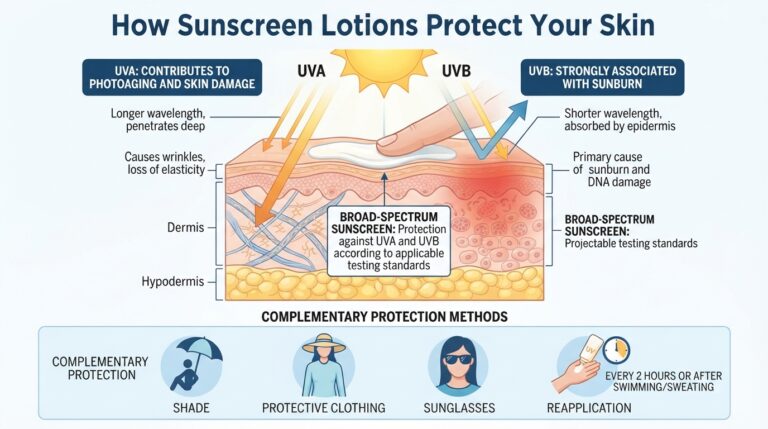
Ultraviolet (UV) rays from the sun can cause both immediate and long-term damage to the skin. These include:
- Sunburn
- Premature aging
- Increased risk of skin cancer
For pregnant women, protecting the skin from UV rays is more critical than ever. Studies have shown that even brief exposure to the sun can trigger skin changes that may lead to complications.
Choosing the Right Sunscreen
When it comes to sunscreen, not all products are created equal. Understanding which ingredients are safe and effective is key to protecting both you and your baby.
Physical vs. Chemical Sunscreens
Sunscreens generally fall into two categories: physical (mineral) and chemical. Here’s a closer look at both:
| Type | Active Ingredients | How They Work |
|---|---|---|
| Physical (Mineral) | Zinc oxide, Titanium dioxide | Reflect UV rays away from the skin |
| Chemical | Avobenzone, Oxybenzone, Octisalate, Octocrylene | Absorb UV rays and convert them into heat |
Safety of Active Ingredients
Many expectant mothers express concern about the ingredients in their skincare products. Here are some commonly used sunscreen ingredients and their safety during pregnancy:
- Zinc Oxide: Generally considered safe and is a physical blocker.
- Titanium Dioxide: Also a physical blocker, regarded as safe for use during pregnancy.
- Oxybenzone: A chemical sunscreen that may be absorbed into the bloodstream; hence, some experts recommend avoiding it during pregnancy.
- Avobenzone: Generally considered safe but always consult your healthcare provider.
Expert Recommendations
Healthcare professionals and dermatologists often recommend the following best practices for sunscreen use during pregnancy:
- Opt for physical sunscreens containing zinc oxide or titanium dioxide.
- Avoid sunscreens with high levels of chemical ingredients, particularly oxybenzone.
- Use broad-spectrum sunscreen with an SPF of at least 30.
- Reapply every two hours, or more often if swimming or sweating.
- Wear protective clothing, hats, and sunglasses for extra protection.
Benefits of Sunscreen During Pregnancy
Using sunscreen during pregnancy provides numerous benefits:
- Prevents Skin Damage: Shields the skin from harmful UV rays.
- Reduces Risk of Melasma: Helps prevent dark patches associated with pregnancy.
- Maintains Skin Health: Supports overall skin appearance and prevents premature aging.
Common Myths About Sunscreen and Pregnancy
With so much information out there, it’s easy to get confused. Here are some common myths and the truths behind them:
How to Apply Sunscreen Effectively
Proper application is essential for sunscreen to be effective. Follow these steps to ensure maximum protection:
- Apply sunscreen generously to all exposed skin at least 15 minutes before sun exposure.
- Use about one ounce (a shot glass full) for full-body coverage.
- Reapply every two hours, or immediately after swimming or sweating.
- Don’t forget areas like the ears, neck, and feet.
Other Sun Safety Tips for Expecting Mothers
In addition to using sunscreen, consider these sun safety tips:
- Seek shade, especially during peak sun hours (10 a.m. to 4 p.m.).
- Wear protective clothing, such as long sleeves and wide-brimmed hats.
- Stay hydrated to help your skin remain healthy and resilient.
- Consult a dermatologist for personalized advice on skincare during pregnancy.
Conclusion
In summary, the question, is sunscreen safe during pregnancy, can be confidently answered with a resounding yes—provided you choose the right products. Prioritize physical sunscreens with safe active ingredients like zinc oxide and titanium dioxide, and follow expert recommendations for sun protection. Protecting your skin is vital, not just for your health but also for maintaining your skin’s appearance during this transformative time. Always consult with your healthcare provider for personalized advice tailored to your unique situation. Your skin deserves care, and so does your baby!