
When it comes to tanning beds, a common question arises: should you wear sunscreen in a tanning bed? Many people believe that because they are indoors, they don’t need to take the same sun protection measures as they would outdoors. However, the reality is more complex, and understanding the implications of indoor tanning is crucial for your skin’s health.
The Basics of Tanning Beds
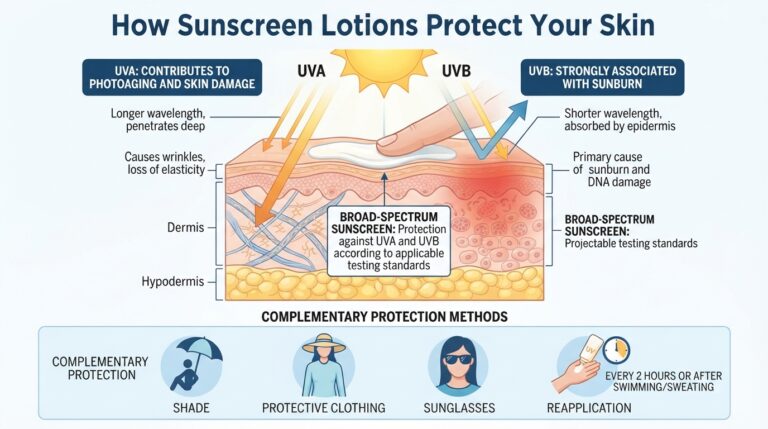
Tanning beds emit ultraviolet (UV) radiation, similar to the sun. There are two primary types of UV rays: UVA and UVB. While UVA rays penetrate the skin more deeply and are primarily responsible for premature aging and skin cancer, UVB rays are known for causing sunburn. Tanning beds can expose users to both types of UV radiation, making understanding their effects essential.
How Tanning Beds Work
Most tanning beds utilize fluorescent bulbs that emit UV radiation. The intensity of the UV rays can vary depending on the type of tanning bed and the bulbs used. Here’s a brief overview of how tanning beds work:
- UVA Rays: These rays stimulate the production of melanin, leading to a tan without burning.
- UVB Rays: These rays cause skin reddening and burning, which can result in peeling.
- Exposure Time: The duration of exposure affects the amount of UV radiation absorbed by your skin, impacting both tanning and potential skin damage.
The Importance of Sunscreen
Wearing sunscreen is a well-established recommendation for outdoor sun exposure. But when it comes to tanning beds, the conversation shifts slightly. Here are some reasons why wearing sunscreen, even in a tanning bed, is important:
- Skin Protection: Sunscreen can help protect your skin from harmful UV rays, reducing the risk of skin damage.
- Preventing Premature Aging: Regular use of sunscreen can minimize skin aging, such as wrinkles and fine lines.
- Reducing Cancer Risk: Studies have shown that both indoor and outdoor tanning can increase the risk of skin cancer, making protection paramount.
Benefits of Wearing Sunscreen in Tanning Beds
While the primary goal of using a tanning bed might be to achieve a bronzed look, there are several benefits to applying sunscreen before your session:
- Even Tanning: Sunscreen can help provide a more even tan by protecting areas that might otherwise burn.
- Moisturization: Many sunscreens contain moisturizing ingredients that can keep your skin hydrated, which is beneficial during tanning sessions.
- Lower Risk of Burns: By wearing sunscreen, you can reduce the likelihood of experiencing painful burns, which can occur even in tanning beds.
Choosing the Right Sunscreen for Tanning Beds
Not all sunscreens are created equal, especially when it comes to indoor tanning. Here are some tips for selecting the right sunscreen:
SPF Levels
Look for a broad-spectrum sunscreen with an SPF of at least 15. Broad-spectrum means it protects against both UVA and UVB rays. However, if your goal is to tan, you might want to consider a lower SPF to achieve a bronzed look without burning.
Water Resistance
Choose a water-resistant formula, which will help the sunscreen stay effective during your tanning session. This is particularly important if you tend to sweat during your tanning sessions.
Ingredients to Consider
When selecting sunscreen, consider the following ingredients:
- Physical Blockers: Look for ingredients like zinc oxide and titanium dioxide, which provide effective sun protection.
- Moisturizing Agents: Ingredients like aloe vera and glycerin can help keep your skin hydrated.
- Fragrance-Free Options: If you have sensitive skin, consider fragrance-free sunscreens to minimize irritation.
Common Myths About Tanning Beds and Sunscreen
There are many misconceptions surrounding tanning beds and sunscreen. Here are a few common myths debunked:
Myth 1: You Don’t Need Sunscreen Indoors
Many people believe that because they are indoors, they are safe from UV exposure. However, tanning beds emit significant UV radiation, making sunscreen essential for protection.
Myth 2: Sunscreen Prevents Tanning
While sunscreen can limit the intensity of tanning, it does not entirely prevent it. With the right SPF, you can still achieve a tan while protecting your skin.
Myth 3: All Sunscreens Are the Same
With a variety of products available, not all sunscreens provide the same level of protection. It’s crucial to choose a broad-spectrum sunscreen specifically formulated for UV protection.
Alternatives to Tanning Beds
If you’re concerned about the risks associated with tanning beds, consider alternative methods for achieving a sun-kissed glow:
- Self-Tanners: These products can provide a bronzed appearance without the risks associated with UV exposure.
- Spray Tans: Professional spray tanning offers a quick, effective way to achieve a tan without UV radiation.
- Bronzing Lotions: These lotions can enhance your natural skin color temporarily.
Conclusion
In conclusion, the question of whether you should wear sunscreen in a tanning bed is a clear one: yes, you should. The risks associated with UV exposure in tanning beds warrant protective measures to safeguard your skin. By wearing sunscreen, you can enjoy the benefits of tanning while minimizing potential damage, including premature aging and skin cancer.
As you consider your tanning options, remember to prioritize your skin’s health. Whether opting for a tanning bed or exploring alternatives, informed decisions can help you achieve your desired look without compromising your well-being.