
When preparing for your next vacation, you might wonder, “Can you bring sunscreen on a plane?” This is a common question among travelers, especially those heading to sunny destinations. Sunscreen is essential for protecting your skin from harmful UV rays, but navigating airline regulations can be tricky. In this guide, we’ll explore everything you need to know about bringing sunscreen on a plane, including TSA regulations, tips for packaging, and alternative options.
Understanding TSA Regulations for Sunscreen
The Transportation Security Administration (TSA) has specific rules regarding liquids, gels, and aerosols in carry-on luggage. Sunscreen falls under these regulations, which can sometimes be confusing for travelers. Here’s a breakdown of the key points you need to remember:
Liquid Restrictions
According to TSA guidelines, you can bring sunscreen in your carry-on bag, but it must adhere to the following restrictions:
- Sunscreen must be in a container that holds 3.4 ounces (100 milliliters) or less.
- All liquids, including sunscreen, must fit into a single quart-sized (1 liter) clear, resealable plastic bag.
- Each passenger is allowed one quart-sized bag for liquids in their carry-on luggage.
If you need larger quantities of sunscreen, consider packing it in your checked luggage, where there are no size restrictions.
Aerosol Sunscreens
Aerosol sunscreens are also permitted, but they must comply with the same 3.4-ounce rule. Additionally, keep in mind that some airlines may have specific regulations regarding aerosols, so it’s wise to check directly with your airline before traveling.
Choosing the Right Sunscreen for Air Travel
When selecting sunscreen for your trip, consider the following factors:
SPF and Broad-Spectrum Protection
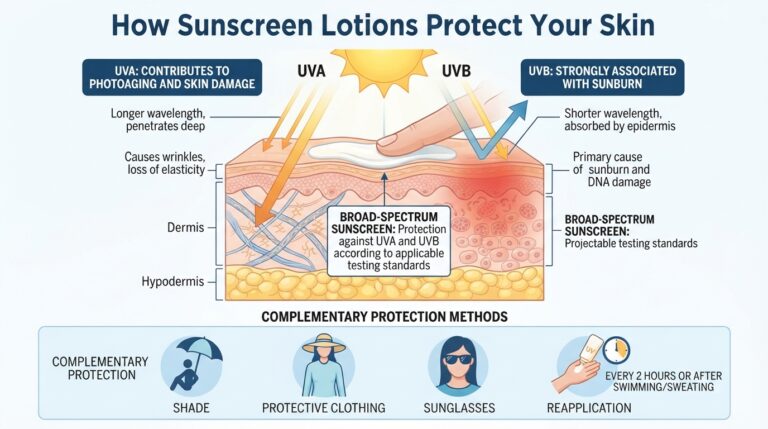
Look for a sunscreen that offers a sun protection factor (SPF) of at least 30 and is labeled as broad-spectrum. This ensures protection against both UVA and UVB rays, which can cause skin damage.
Water Resistance
If you plan to spend time swimming or sweating, opt for water-resistant sunscreen. These products are designed to stay effective for a specified duration (usually 40 to 80 minutes) while in water or during perspiration.
Skin Type Considerations
Choose a sunscreen that suits your skin type, whether it’s oily, dry, or sensitive. For example:
- For oily skin, look for gel-based or oil-free formulations.
- For dry skin, consider cream-based sunscreens that provide hydration.
- If you have sensitive skin, opt for mineral-based sunscreens with zinc oxide or titanium dioxide.
How to Pack Sunscreen for Air Travel
Proper packing can make a significant difference in ensuring your sunscreen arrives safely at your destination. Here are some practical tips:
Use a Clear Plastic Bag
As previously mentioned, pack your sunscreen in a clear, quart-sized, resealable plastic bag. This makes it easy for TSA agents to inspect your liquids without slowing down the security process.
Protect Against Leaks
To prevent leaks, consider the following strategies:
- Place tape over the opening of aerosol cans.
- Use a travel-sized bottle with a secure lid for liquid sunscreen.
- Wrap bottles in a small towel or plastic wrap for added cushioning.
Consider Travel-Sized Options
Many brands offer travel-sized versions of their sunscreens, which can save you space and ensure you meet TSA requirements. These miniature versions are perfect for keeping your skin protected without the hassle of larger containers.
Alternatives to Traditional Sunscreen
If you prefer to avoid bringing liquid sunscreen altogether, there are several alternatives worth considering:
Sunscreen Sticks
Sunscreen sticks are a convenient option that typically falls under the solid category, making them exempt from liquid restrictions. They are easy to apply and perfect for touch-ups throughout the day.
Sunscreen Wipes
Another great alternative is sunscreen wipes. These pre-moistened wipes are portable and can be easily packed in your carry-on. Just remember to check the SPF and ensure they provide adequate protection.
Clothing with UV Protection
Consider investing in clothing that offers built-in UV protection, such as hats or long-sleeve shirts. While these don’t replace sunscreen, they can help reduce sun exposure significantly.
Tips for Applying Sunscreen While Traveling
Once you’ve arrived at your destination, proper application of sunscreen is crucial for effective protection. Here are some tips to keep in mind:
Apply Before You Go Outside
Apply sunscreen at least 15 to 30 minutes before exposure to the sun to allow it to absorb and provide optimal protection.
Don’t Forget to Reapply
Reapply sunscreen every two hours, or more often if swimming or sweating. This is crucial to maintaining effective protection throughout the day.
Cover All Areas
Be sure to cover all exposed areas, including your ears, back of the neck, and tops of your feet. Don’t overlook areas that may be easily forgotten, like the scalp if you have thinning hair or a bald head.
The Importance of Sunscreen
Sunscreen is not just a beach essential; it’s an important part of your daily skincare routine, especially if you spend time outdoors. Here are a few reasons why sunscreen is vital:
- Protects against skin cancer: Regular use of sunscreen can significantly reduce the risk of developing skin cancer.
- Prevents premature aging: Sunscreen helps prevent wrinkles, fine lines, and age spots caused by sun exposure.
- Promotes overall skin health: Protecting your skin from UV rays can prevent other skin issues, such as discoloration and texture changes.
Conclusion
Now that you know the answer to the question, “Can you bring sunscreen on a plane?” you can travel with peace of mind, knowing you’re prepared to protect your skin from the sun’s harmful rays. Remember to follow TSA guidelines, choose the right sunscreen for your needs, and pack it securely to ensure a hassle-free experience at the airport. As you embark on your journey to sunny destinations, prioritize your skin’s health and enjoy your travels!