
When it comes to skincare, sunscreen is one of the most critical products for protecting your skin from harmful UV rays. But how long is sunscreen good for? Understanding its shelf life and proper storage can make a significant difference in your skin protection routine. In this comprehensive guide, we will delve into the lifespan of sunscreen, factors that affect its effectiveness, and tips for ensuring you’re getting the most out of your sun protection.
The Lifespan of Sunscreen
The general rule of thumb is that most sunscreens have a shelf life of about three years. However, this can vary based on several factors, including the type of sunscreen, its ingredients, and how it’s stored. Here’s a closer look at what affects the lifespan of your sunscreen:
Understanding Expiration Dates
All sunscreens should have an expiration date printed on the container. This date is crucial for ensuring the product’s effectiveness. After this date, the sunscreen may not provide the level of protection indicated on the label. It’s essential to check this date before using any sunscreen, especially if it’s been sitting in your cabinet for a while.
Factors Affecting Sunscreen Shelf Life
- Type of Sunscreen: Chemical sunscreens typically have a shorter shelf life due to their active ingredients, which can break down more quickly than those in physical (mineral) sunscreens.
- Storage Conditions: Sunscreen should be stored in a cool, dry place. Extreme temperatures, especially heat, can degrade the ingredients, leading to reduced effectiveness.
- Packaging: Sunscreens in pump bottles or tubes are generally more stable than those in jars, which are more exposed to air and contaminants.
Signs Your Sunscreen Has Expired
Using expired sunscreen can leave your skin unprotected. Here are some signs that your sunscreen may no longer be effective:
- Change in Color: If the color of your sunscreen has changed significantly from when you first purchased it, it may be time to toss it out.
- Unusual Smell: A sour or off smell can indicate that the ingredients have broken down and the product is no longer safe to use.
- Separation: If your sunscreen appears to have separated into layers, this can be a sign that it’s expired.
Proper Storage of Sunscreen
To maximize the lifespan of your sunscreen, proper storage is essential. Consider these tips for keeping your sunscreen effective:
- Keep it Cool: Store your sunscreen in a cool place, away from direct sunlight and heat sources. A bathroom cabinet away from the shower is often ideal.
- Avoid Humidity: High humidity can affect the stability of your sunscreen, so storing it in a dry environment is recommended.
- Check the Cap: Ensure the cap is tightly closed to prevent air and moisture from entering the container.
Types of Sunscreen and Their Lifespan
Different types of sunscreen can have different shelf lives. Here’s a breakdown to help you understand:
| Type of Sunscreen | Shelf Life | Notes |
|---|---|---|
| Chemical Sunscreen | 2-3 years | Contains ingredients that may degrade faster. |
| Physical (Mineral) Sunscreen | 3 years | Generally more stable but should still be checked for expiration. |
| Spray Sunscreen | 2-3 years | May be less stable due to propellant gases. |
| Water-Resistant Sunscreen | 2-3 years | Check for expiration, especially if used frequently. |
How to Use Sunscreen Effectively
Understanding how to use sunscreen properly is just as important as knowing how long it lasts. Here are some best practices:
- Apply Generously: Use enough sunscreen to cover all exposed skin. A general rule is to apply an ounce (about a shot glass full) for the entire body.
- Reapply Regularly: Sunscreen should be reapplied every two hours, or immediately after swimming or sweating.
- Don’t Forget Areas: Pay attention to often-missed areas like the ears, back of the neck, and tops of the feet.
Common Misconceptions About Sunscreen
There are several myths about sunscreen that can lead to improper use. Let’s debunk a few:
- Myth 1: Sunscreen is only needed on sunny days.
- Myth 2: If it’s cloudy, you don’t need sunscreen.
- Myth 3: All sunscreens are the same; it doesn’t matter which one you use.
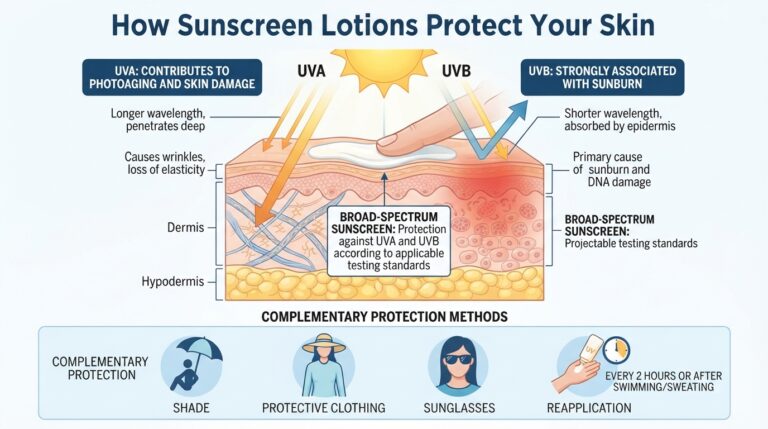
In reality, UV rays can penetrate clouds and cause skin damage, making sunscreen necessary regardless of the weather. Additionally, choosing a broad-spectrum sunscreen with an SPF of 30 or higher is essential for optimal protection.
Conclusion
In conclusion, understanding how long sunscreen is good for is crucial for effective sun protection. By staying aware of expiration dates, recognizing signs of degradation, and storing your sunscreen correctly, you’ll ensure that your skin remains protected from harmful UV rays. Remember, the best sunscreen is the one you use correctly, consistently, and within its shelf life. With these practices, you can enjoy the sun safely and keep your skin healthy.