
As summer approaches, many of us find ourselves asking a crucial question: can you tan with sunscreen on? This inquiry is not just a matter of aesthetics; it delves into the science of how sunscreen interacts with UV rays and our skin. In this article, we’ll explore the nuances of tanning while using sunscreen, the effectiveness of various sunscreen types, and tips for achieving a safe and healthy glow.
The Science Behind Sunscreen and Tanning
To understand whether you can tan with sunscreen on, it’s essential to grasp how tanning occurs in the first place. Tanning is the skin’s natural response to UV radiation exposure. When UV rays penetrate the skin, they stimulate the production of melanin, the pigment responsible for skin color, as a protective mechanism against further UV damage.
Types of UV Rays
There are two primary types of UV rays that affect our skin:
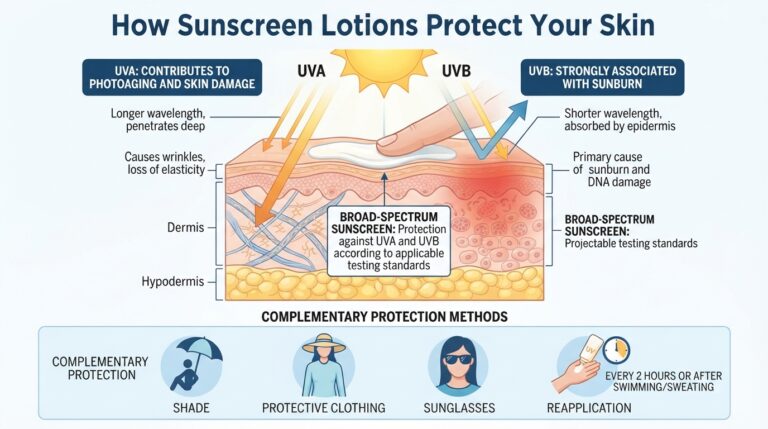
- UVA Rays: These rays penetrate deep into the skin and are primarily responsible for skin aging and long-term damage. They can also contribute to tanning.
- UVB Rays: These rays are more intense and cause sunburn. They play a significant role in the development of skin cancer and also stimulate melanin production, leading to tanning.
How Sunscreen Works
Sunscreen is designed to protect your skin from the harmful effects of UV radiation. It does this through various active ingredients that either absorb or reflect UV rays. Here’s how different types of sunscreens work:
Chemical Sunscreens
These sunscreens contain organic compounds that absorb UV radiation and transform it into heat, which is then released from the skin. Common active ingredients include:
- Avobenzone
- Octisalate
- Octocrylene
- Oxybenzone
Physical (Mineral) Sunscreens
Mineral sunscreens use zinc oxide or titanium dioxide to create a physical barrier on the skin’s surface that reflects and scatters UV rays. They are often recommended for sensitive skin and provide broad-spectrum protection.
Can You Tan with Sunscreen On?
The straightforward answer to the question is: yes, you can still tan while wearing sunscreen. However, the extent of tanning will depend on several factors, including:
- Sunscreen SPF: The Sun Protection Factor (SPF) of your sunscreen indicates its effectiveness against UVB rays, which are responsible for sunburn and tanning. A higher SPF provides more protection but does not completely block UV rays.
- Application: Proper application is key. Sunscreen should be applied generously and evenly to all exposed skin at least 15 minutes before sun exposure. Reapplication every two hours, or more frequently if swimming or sweating, is crucial.
- Skin Type: Everyone’s skin reacts differently to UV exposure. Those with lighter skin may tan less and burn more easily, while individuals with darker skin may tan more readily.
Understanding SPF and Its Limitations
While SPF measures the degree of protection against UVB rays, it does not account for UVA protection, which is crucial for preventing skin aging and some types of skin cancer. Therefore, choosing a broad-spectrum sunscreen is essential.
How SPF Works
| SPF Rating | Protection Level |
|---|---|
| 15 | Blocks about 93% of UVB rays |
| 30 | Blocks about 97% of UVB rays |
| 50 | Blocks about 98% of UVB rays |
Tips for Safe Tanning with Sunscreen
If you’re aiming for a tan while protecting your skin, here are some practical tips to consider:
- Choose the Right Sunscreen: Opt for a broad-spectrum sunscreen with at least SPF 30.
- Apply Generously: Use about an ounce (a shot glass full) for full body coverage. Don’t forget areas like the ears, back of the neck, and tops of the feet.
- Reapply Frequently: Reapply every two hours and immediately after swimming or sweating.
- Limit Sun Exposure: Try to limit direct sun exposure during peak hours (10 AM to 4 PM) when UV rays are strongest.
- Consider Tanning Alternatives: If you’re concerned about UV exposure, consider self-tanners or bronzers as safer alternatives for achieving a sun-kissed look.
Common Myths About Sunscreen and Tanning
There are several myths surrounding sunscreen use and tanning that can lead to confusion. Here are a few common misconceptions:
Myth 1: You Can’t Tan with Sunscreen On
As discussed, wearing sunscreen does not prevent tanning. While it may reduce the intensity and speed of tanning, it does not entirely block UV rays.
Myth 2: Higher SPF Means No Tanning
Even with a high SPF, some UV rays can still penetrate the skin. A higher SPF offers more protection, but it doesn’t eliminate the chance of tanning.
Myth 3: Sunscreen is Only Needed on Sunny Days
UV rays can penetrate clouds, so it’s essential to wear sunscreen even on overcast days or during winter months.
Conclusion: Embracing Safe Sun Practices
In conclusion, the answer to the question, “can you tan with sunscreen on?” is yes. However, it’s vital to understand how sunscreen works, its limitations, and the importance of safe sun practices. By choosing the right sunscreen, applying it properly, and taking precautions to limit sun exposure, you can enjoy a beautiful tan while protecting your skin from potential harm. Remember, healthy skin is always in style, and taking care of it should be your top priority.
So, as you plan your sun-soaked adventures, keep these insights in mind, and make informed choices that balance your desire for a tan with the need for skin safety.