
As summer approaches, many people find themselves asking the question, “Can you tan with sunscreen?” This is a common concern for those who want to enjoy the sun while protecting their skin from harmful UV rays. In this article, we will explore how sunscreen works, the science behind tanning, and how to maximize your sun exposure safely.
The Science of Tanning
Tanning is the skin’s natural response to UV radiation, which triggers the production of melanin, the pigment responsible for skin color. When exposed to the sun, your skin produces more melanin to protect itself from UV damage. However, not all UV rays are created equal. Understanding the different types of UV rays is essential when considering whether you can tan with sunscreen.
Types of UV Rays
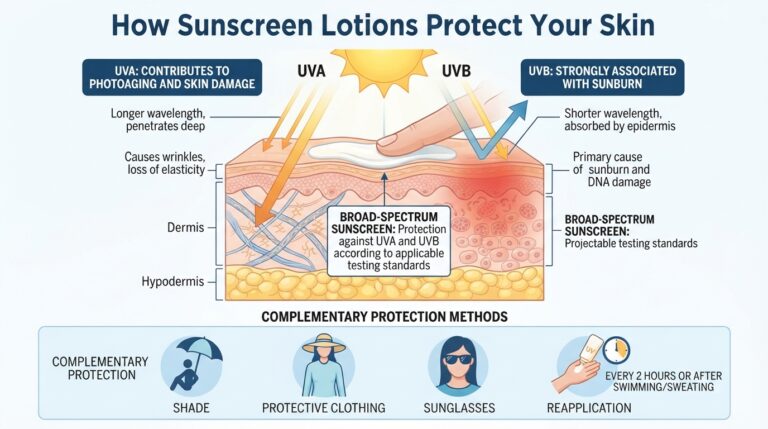
- UVA Rays: These rays penetrate deep into the skin and are primarily responsible for premature aging and skin damage. They can also contribute to tanning.
- UVB Rays: These rays are responsible for causing sunburn and play a significant role in the production of vitamin D. They are also a key factor in tanning.
Both UVA and UVB rays can harm your skin, but effective sunscreen can help mitigate this damage while allowing for a tan.
Understanding Sunscreen
To determine if you can tan with sunscreen, it’s crucial to understand how sunscreen works. Sunscreen products contain active ingredients that either absorb or reflect UV radiation, preventing it from penetrating the skin.
Types of Sunscreen Ingredients
| Type | Description |
|---|---|
| Chemical Sunscreens | These contain organic compounds that absorb UV radiation. Common ingredients include avobenzone, octocrylene, and oxybenzone. |
| Physical (Mineral) Sunscreens | These contain active mineral ingredients like zinc oxide or titanium dioxide, which sit on the skin’s surface and reflect UV rays. |
Both types of sunscreen offer protection but may affect your tanning experience differently.
Can You Tan with Sunscreen On?
The short answer is yes; you can tan while wearing sunscreen. However, the extent of tanning depends on several factors:
1. SPF Level
The Sun Protection Factor (SPF) indicates how well a sunscreen protects against UVB rays. For instance, an SPF of 30 blocks about 97% of UVB rays, while SPF 50 blocks around 98%. Higher SPF levels might limit your tanning potential, as they provide more protection.
2. Application Amount
Most people do not apply enough sunscreen. The general recommendation is to use about one ounce (or a shot glass full) for full body coverage. If you apply less, you may not receive the full protective benefits, which can affect your tanning results.
3. Reapplication Frequency
Sunscreen should be reapplied every two hours, or immediately after swimming or sweating. Neglecting to reapply can lead to overexposure to UV rays, which could enhance tanning but also increases the risk of sunburn and skin damage.
4. Skin Type
Your natural skin tone and type also play a role. Fair-skinned individuals may tan more slowly and are at higher risk for sunburn, while those with darker skin tones might tan more easily but still need protection. Knowing your skin type can help you manage your sun exposure more effectively.
How to Tan Safely with Sunscreen
If you want to achieve a sun-kissed glow while using sunscreen, consider these practical tips:
1. Choose the Right Sunscreen
Opt for broad-spectrum sunscreens that protect against both UVA and UVB rays. Look for an SPF of at least 30 and choose a product that suits your skin type—whether it be oily, dry, or sensitive.
2. Apply Generously
Ensure even coverage by applying sunscreen generously. Don’t forget areas like your ears, neck, and feet. For effectiveness, apply it 15-30 minutes before sun exposure.
3. Monitor Your Time in the Sun
Limit your sun exposure, especially during peak hours (10 AM to 4 PM). Start with shorter sessions and gradually increase your time in the sun to allow your skin to adapt.
4. Stay Hydrated
Drink plenty of water to keep your skin hydrated, as dehydration can lead to skin issues and hinder the tanning process.
Alternatives to Natural Tanning
If you are concerned about sun exposure but still want a tan, consider these alternatives:
- Self-Tanners: These products use dihydroxyacetone (DHA) to create a tan-like appearance without UV exposure.
- Tanning Lotions and Sprays: Many brands offer a variety of tanning solutions that can provide a bronzed look without the need for sun exposure.
- Bronzing Makeup: Temporary bronzers can give you a tanned look for a day without any sun exposure.
Understanding the Risks of Tanning
While tanning can enhance your appearance, it’s essential to be aware of the risks involved. Overexposure to UV radiation can lead to:
- Sunburn
- Premature aging, such as wrinkles and age spots
- Increased risk of skin cancer, including melanoma
Always prioritize skin health over aesthetics. If you notice any unusual skin changes or persistent redness, consult a dermatologist.
Conclusion
So, can you tan with sunscreen? Absolutely! Sunscreen allows for tanning while providing necessary protection against harmful UV rays. By understanding how sunscreen works, choosing the right product, and applying it correctly, you can safely enjoy the sun and achieve a beautiful tan. Remember to stay informed about your skin’s health and prioritize safety in your tanning journey!