
When it comes to enjoying the sun, many people wonder, does wearing sunscreen prevent tanning? The short answer is yes, but the science behind it is a bit more nuanced. This article delves into the mechanics of tanning, the role of sunscreen, and how to effectively protect your skin while enjoying the outdoors.
Understanding Tanning and UV Rays
Tanning is the skin’s response to ultraviolet (UV) radiation from the sun. When your skin is exposed to UV rays, it produces more melanin, the pigment that gives skin its color. This process can lead to a darker skin tone, commonly referred to as a tan. However, this is also the skin’s way of trying to protect itself from damaging effects of UV radiation.
The Types of UV Rays
There are two main types of UV rays that affect the skin:
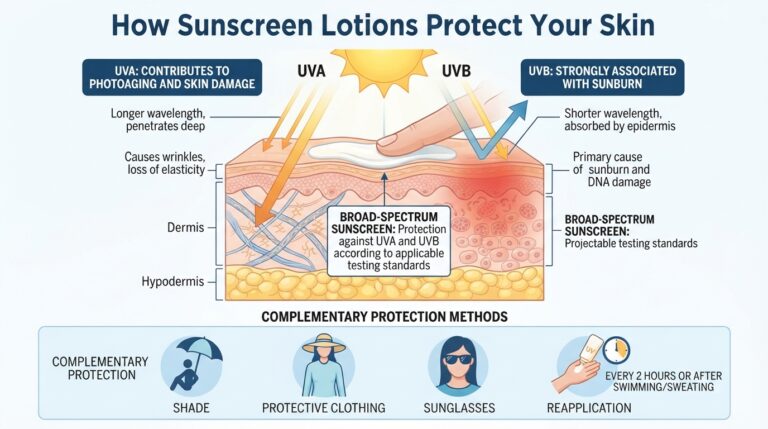
- UVA Rays: These rays penetrate deep into the skin and are primarily responsible for premature aging and skin cancer. They can cause tanning as well.
- UVB Rays: These rays affect the outer layer of skin and are the main culprits behind sunburn. UVB exposure is also responsible for stimulating melanin production, leading to tanning.
How Sunscreen Works
Sunscreen acts as a protective barrier against UV radiation. It contains active ingredients that either absorb or reflect UV rays, reducing the amount that penetrates the skin. The effectiveness of sunscreen is measured using the Sun Protection Factor (SPF), which indicates how well it protects against UVB rays.
Does Sunscreen Prevent Tanning?
Wearing sunscreen can significantly reduce tanning, but it does not eliminate it completely. Here’s why:
- SPF Ratings: Higher SPF ratings block a larger percentage of UVB rays. For instance, SPF 30 blocks about 97% of UVB rays, while SPF 50 blocks approximately 98%.
- Application: Proper application is crucial. Most people do not apply enough sunscreen, which can reduce its effectiveness. A general rule is to use about an ounce (the size of a shot glass) for full-body coverage.
- Water Resistance: If you’re swimming or sweating, even water-resistant sunscreens need to be reapplied every two hours.
Factors Influencing Tanning and Sunscreen Effectiveness
Several factors can influence how much you tan, even when using sunscreen:
- Skin Type: People with lighter skin tones tend to tan less and burn more easily, while those with darker skin tones may tan more quickly.
- Geographic Location: The closer you are to the equator, the stronger the UV rays. Higher altitudes also increase UV exposure.
- Time of Day: UV rays are strongest between 10 AM and 4 PM. This is when you’re most likely to tan, regardless of sunscreen use.
- Duration of Exposure: The longer you stay in the sun, the more likely you are to tan. Sunscreen can help mitigate this risk, but it’s not foolproof.
Choosing the Right Sunscreen
To effectively reduce tanning, it’s important to choose the right type of sunscreen. Here are some tips:
Consider the SPF
Opt for a broad-spectrum sunscreen with at least SPF 30. This ensures protection against both UVA and UVB rays.
Look for Active Ingredients
There are two main types of sunscreen ingredients:
- Chemical Filters: These absorb UV rays and convert them into heat, which is then released from the skin. Common chemical filters include avobenzone, octisalate, and octocrylene.
- Physical (Mineral) Filters: These sit on top of the skin and reflect UV rays. Ingredients like zinc oxide and titanium dioxide provide broad-spectrum protection and are often recommended for sensitive skin.
Water Resistance
If you plan to swim or sweat, choose a water-resistant sunscreen. Check the label for how long the product maintains its SPF while in water or sweating.
How to Apply Sunscreen Effectively
Applying sunscreen correctly is as important as choosing the right product. Follow these steps for maximum effectiveness:
- Apply Generously: Use about an ounce for full-body coverage. Don’t forget areas like ears, feet, and behind the knees.
- Apply Before Sun Exposure: Apply sunscreen 15-30 minutes before heading outside to allow it to absorb properly.
- Reapply Regularly: Reapply every two hours, or immediately after swimming or sweating.
Other Ways to Prevent Tanning
In addition to wearing sunscreen, there are other effective strategies to prevent tanning:
- Wear Protective Clothing: Long-sleeved shirts, wide-brimmed hats, and sunglasses can provide additional protection against UV rays.
- Seek Shade: Whenever possible, stay in the shade, especially during peak sun hours.
- Use Umbrellas or Canopies: If you’re spending time outdoors, these can provide extra protection.
Myths About Sunscreen and Tanning
There are many myths surrounding sunscreen and tanning that can lead to confusion. Here are a few common misconceptions:
- Myth 1: Sunscreen is only necessary on sunny days.
Reality: UV rays can penetrate through clouds, so sunscreen is essential even on overcast days. - Myth 2: Darker skin doesn’t need sunscreen.
Reality: Everyone, regardless of skin tone, can suffer from sun damage and should wear sunscreen. - Myth 3: If I use sunscreen, I can stay in the sun all day.
Reality: While sunscreen offers protection, it’s still crucial to limit sun exposure and take breaks in the shade.
Conclusion
In conclusion, wearing sunscreen does prevent tanning to a certain extent, but it is not a complete barrier against UV rays. To effectively protect your skin from tanning and sun damage, choose a broad-spectrum sunscreen with an appropriate SPF, apply it correctly, and incorporate additional sun safety measures. By being proactive about sun protection, you can enjoy the outdoors while keeping your skin healthy and radiant.