
When it comes to skincare, one question often arises: does moisturizer go before sunscreen? Understanding the correct order of applying these products is essential for effective skin protection and hydration. In this guide, we will delve into why the sequence matters, how to layer your products correctly, and the benefits of each step.
The Importance of Proper Skincare Order
Many people may think that the order of applying moisturizer and sunscreen is insignificant, but this misconception can lead to suboptimal results. The way you layer your skincare products can significantly affect their efficacy. Here’s why it matters:
- Enhanced Absorption: Applying products in the right order allows your skin to absorb them better.
- Optimal Protection: Sunscreen needs to form a barrier on the skin to be effective, which means it should be applied last.
- Improved Hydration: Moisturizer hydrates the skin, and applying it before sunscreen can seal in that moisture.
Understanding the Role of Moisturizer
Moisturizers play a crucial role in maintaining skin health. They help to:
- Retain moisture in the skin
- Improve skin texture and tone
- Soothe and calm irritated skin
- Provide essential nutrients and antioxidants
When you apply moisturizer, it creates a barrier that prevents transepidermal water loss (TEWL), which is critical for keeping your skin hydrated and plump.
What About Sunscreen?
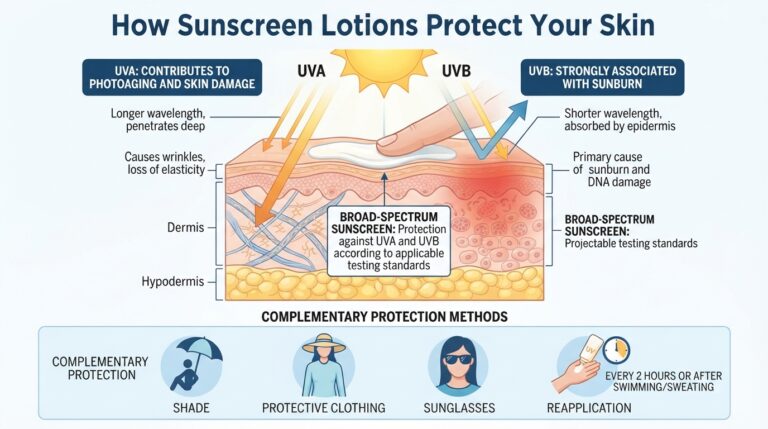
Sunscreen is vital for protecting your skin from harmful UV rays, which can lead to skin cancer and premature aging. Here’s why applying sunscreen correctly is essential:
- Prevents Skin Damage: Sunscreen protects against UVA and UVB rays, reducing the risk of sunburn and skin cancer.
- Prevents Premature Aging: Regular application of sunscreen can prevent wrinkles, fine lines, and age spots.
- Maintains Even Skin Tone: Sunscreen helps to keep your complexion even and reduces hyperpigmentation.
The Correct Order: Moisturizer Before Sunscreen
The answer to the question, “Does moisturizer go before sunscreen?” is a resounding yes. Here’s how to properly layer your skincare products:
Step-by-Step Application
- Start with a clean face. Use a gentle cleanser to remove dirt and impurities.
- Apply toner (if you use one). This can help prep your skin for better absorption.
- Use a serum or treatment (if applicable). Allow it to absorb fully.
- Apply moisturizer. Use a pea-sized amount and massage it into your skin.
- Finish with sunscreen. Use a broad-spectrum sunscreen with an SPF of at least 30.
Choosing the Right Products
Not all moisturizers and sunscreens are created equal. It’s important to select products that work well together. Here are some tips:
Moisturizer Selection
When choosing a moisturizer, consider the following:
- Skin Type: Select a moisturizer that suits your skin type (oily, dry, combination, or sensitive).
- Ingredients: Look for hydrating ingredients like hyaluronic acid, glycerin, and ceramides.
- Non-Comedogenic: Ensure the moisturizer won’t clog your pores, especially if you have acne-prone skin.
Sunscreen Selection
For sunscreen, keep these factors in mind:
- Broad-Spectrum Protection: Ensure your sunscreen protects against both UVA and UVB rays.
- SPF Rating: Choose a sunscreen with a minimum SPF of 30 for adequate protection.
- Water Resistance: If you’ll be swimming or sweating, opt for a water-resistant formula.
Common Myths About Moisturizer and Sunscreen
As with many skincare topics, myths abound. Let’s debunk some common misconceptions:
Myth 1: You Don’t Need Sunscreen on Cloudy Days
Even on cloudy days, up to 80% of UV rays can penetrate the clouds. Always wear sunscreen, regardless of the weather.
Myth 2: Oily Skin Doesn’t Need Moisturizer
Even oily skin needs hydration. Look for lightweight, oil-free moisturizers that won’t clog pores.
Myth 3: Sunscreen is Only Necessary in Summer
UV rays are present year-round. Make sunscreen a daily habit to protect your skin.
Tips for Effective Application
To maximize the benefits of both moisturizer and sunscreen, follow these tips:
- Apply Generously: Use enough product to cover your entire face and neck. For sunscreen, this typically means about a nickel-sized amount.
- Let Each Product Absorb: Allow your moisturizer to fully absorb before applying sunscreen. This can take a few minutes.
- Reapply Sunscreen: If you are outdoors, reapply sunscreen every two hours, or more often if swimming or sweating.
Conclusion
In conclusion, the answer to “does moisturizer go before sunscreen?” is clear: yes, it does. By applying moisturizer first, you hydrate your skin and create a base that allows sunscreen to function effectively. Understanding the correct order of your skincare routine not only enhances your skin’s health but also provides the protection it needs against environmental stressors. As you cultivate your skincare regimen, remember the importance of choosing the right products and applying them correctly to achieve the best results for your skin.