
When it comes to sun protection, one of the most common questions people ask is: is sunscreen spray or lotion better? Both forms of sunscreen offer essential protection against harmful UV rays, but they come with their own unique benefits and drawbacks. In this comprehensive guide, we will delve into the world of sunscreen, comparing sprays and lotions to help you make the best choice for your skin type and lifestyle.
The Importance of Sunscreen
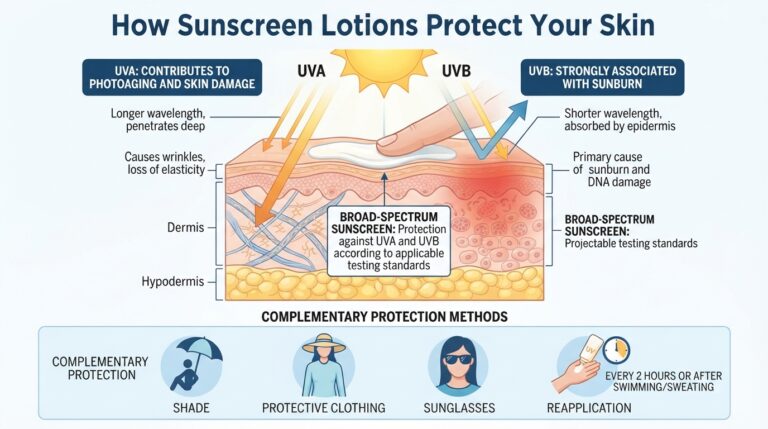
Before we explore the differences between sunscreen spray and lotion, it’s crucial to understand why sunscreen is a vital part of your skincare routine. Sunscreen helps protect your skin from:
- Skin Cancer: Regular use of sunscreen has been shown to reduce the risk of melanoma and other skin cancers.
- Premature Aging: UV exposure can cause wrinkles, fine lines, and age spots, leading to premature aging.
- Sunburn: Sunscreen minimizes the risk of painful sunburns, which can damage the skin and lead to long-term issues.
Understanding Sunscreen Formulations
Sunscreens can be broadly categorized into two types based on their active ingredients: chemical and physical (mineral) sunscreens. Understanding these formulations is essential to making an informed choice between spray and lotion.
Chemical Sunscreens
Chemical sunscreens absorb UV rays through their chemical ingredients, such as avobenzone, octisalate, and octocrylene. They tend to be lighter and are often preferred for everyday use.
Physical (Mineral) Sunscreens
Physical sunscreens contain active mineral ingredients like zinc oxide or titanium dioxide, which act as a barrier to reflect and scatter UV rays. They are often recommended for sensitive skin types due to their gentler nature.
Sunscreen Spray vs. Lotion: Pros and Cons
Now that we understand the importance of sunscreen and the types available, let’s break down the advantages and disadvantages of both sunscreen sprays and lotions.
Advantages of Sunscreen Spray
- Convenience: Sunscreen sprays are easy to apply, making them a great option for on-the-go protection. They can be sprayed on quickly, which is especially useful for busy individuals or families.
- Even Application: Sprays can provide a more uniform coverage when applied correctly, reducing the chances of missing spots.
- Less Greasiness: Many users find sprays to be lighter and less greasy than lotions, which can be more comfortable in hot weather.
Disadvantages of Sunscreen Spray
- Inhalation Risk: One of the significant concerns with spray sunscreens is the risk of inhaling the product during application, which can be harmful.
- Less Control: It can be challenging to gauge how much product you are using, leading to potential under-application.
- Wind Issues: Sprays can be less effective in windy conditions when the product may blow away before it can adhere to the skin.
Advantages of Sunscreen Lotion
- Control Over Application: Lotions allow for more control during application, ensuring that you cover every inch of skin effectively.
- Moisturizing Benefits: Many lotions come with added moisturizers, which can be beneficial for those with dry skin.
- Less Risk of Inhalation: Using a lotion minimizes the risk of inhaling the product, making it a safer choice for many.
Disadvantages of Sunscreen Lotion
- Time-Consuming: Applying lotion can take more time compared to spray, which may deter some individuals from using it regularly.
- Greasy Feel: Some users find lotions to be greasy, particularly in hot and humid weather, which can be uncomfortable.
- Application Technique: If not applied correctly, lotions can lead to uneven coverage, increasing the risk of sunburn.
Factors to Consider When Choosing Sunscreen
When deciding between sunscreen spray and lotion, consider the following factors:
- Skin Type: If you have oily skin, sprays may feel lighter and be more suitable. For dry skin, a lotion with moisturizing properties might be a better choice.
- Activity Level: If you’re active or spend a lot of time outdoors, a spray sunscreen may be more convenient for reapplication.
- Environmental Concerns: Some sprays contain ingredients that may not be environmentally friendly, such as those harmful to coral reefs. Look for eco-friendly options if this is a concern.
Application Tips for Maximum Effectiveness
Regardless of whether you choose a spray or lotion, proper application is key to effective sun protection.
For Sunscreen Spray
- Shake the canister well before use to ensure even distribution of ingredients.
- Hold the spray about 6-8 inches from the skin and spray evenly, covering all exposed areas.
- Allow the spray to dry before dressing to ensure it adheres properly.
- Reapply every two hours, or immediately after swimming, sweating, or towel drying.
For Sunscreen Lotion
- Apply a generous amount to your hands or directly to the skin.
- Rub the lotion in thoroughly, ensuring all exposed skin is covered.
- Pay special attention to easy-to-miss areas like the ears, back of the neck, and tops of the feet.
- Reapply every two hours or immediately after swimming or sweating.
Conclusion: Making the Right Choice for You
In the debate of whether sunscreen spray or lotion is better, the answer ultimately depends on your personal preferences, skin type, and lifestyle. Both options have their strengths and weaknesses. For those who prioritize convenience and ease of application, a spray may be the way to go. Conversely, if you want greater control over coverage and moisturizing benefits, a lotion may be more suitable.
Regardless of your choice, the most important factor is to apply sunscreen regularly and generously to protect your skin from harmful UV rays. Remember, the best sunscreen is the one that you will use consistently!