
As summer approaches, the question arises: can you use face sunscreen on your body? With the sun shining bright and outdoor activities on the rise, understanding sunscreen application is crucial for effective skin protection. Many people wonder if the sunscreen they use on their face can be applied to larger areas of the body. Let’s dive into the science and practicality of sunscreen use and clear up any confusion.
Understanding Sunscreen Formulations
Before we address whether face sunscreen can be used on the body, it’s essential to understand the different formulations available. Sunscreens are primarily categorized into two types: chemical and physical (or mineral) sunscreens.
Chemical Sunscreens
Chemical sunscreens absorb UV radiation through their chemical ingredients, converting it to heat, which is then released from the skin. Common active ingredients include:
- Avobenzone
- Octisalate
- Octocrylene
- Oxybenzone
These sunscreens often have a lighter texture, making them popular for facial use. However, they can sometimes cause irritation for sensitive skin types.
Physical (Mineral) Sunscreens
Physical sunscreens, on the other hand, contain active mineral ingredients like zinc oxide and titanium dioxide. These ingredients sit on the skin’s surface and deflect UV rays. They are generally recommended for sensitive skin and provide broad-spectrum protection. However, they can leave a white cast, which some individuals find unappealing.
Can You Use Face Sunscreen on Your Body?
The short answer is yes, you can use face sunscreen on your body. However, there are several factors to consider before doing so:
1. Formulation Differences
Face sunscreens are often formulated with additional skincare benefits, such as moisturizing agents or anti-aging ingredients. While these can be beneficial for facial skin, the body may not require the same level of care. If you’re applying face sunscreen to your body, check the ingredient list for potential irritants.
2. SPF and Coverage
Many face sunscreens have a lower SPF than body sunscreens. Ensure that the SPF is adequate for your body, as you may need higher protection for larger areas exposed to the sun.
3. Skin Type Considerations
Consider your skin type. If you have sensitive skin or are prone to breakouts, using a face sunscreen on your body might not be ideal, particularly on areas where you sweat more. In these cases, opt for a body sunscreen specifically designed for those conditions.
The Benefits of Using Face Sunscreen on Your Body
While there are considerations to keep in mind, using face sunscreen on your body can offer several advantages:
1. Convenience
If you’re in a pinch and only have face sunscreen on hand, applying it to your body can provide some level of protection without the need to purchase a separate product.
2. Gentle Formulation
Face sunscreens are typically designed to be gentle and non-irritating. If you have sensitive skin, using a face sunscreen on your body can help reduce the risk of irritation.
3. Multi-Functional Use
Some face sunscreens contain additional skincare benefits, such as hydration and antioxidants, which can be beneficial for your skin overall.
When to Use Body Sunscreen Instead
While you can use face sunscreen on your body, there are times when it’s better to opt for a dedicated body sunscreen:
1. Higher SPF Needs
If you’re going to be in the sun for extended periods, especially during peak hours, a body sunscreen with a higher SPF is recommended. Body sunscreens often cater to this requirement better than facial products.
2. Water Resistance
Many body sunscreens are designed to be water-resistant, making them ideal for activities like swimming or sweating. If you anticipate getting wet, choose a water-resistant body sunscreen.
3. Larger Coverage Areas
Body sunscreens are typically formulated to cover larger areas and may come in spray or lotion forms that are easier to apply on the body compared to facial sunscreens.
Choosing the Right Sunscreen for Your Needs
When selecting sunscreen, consider the following factors:
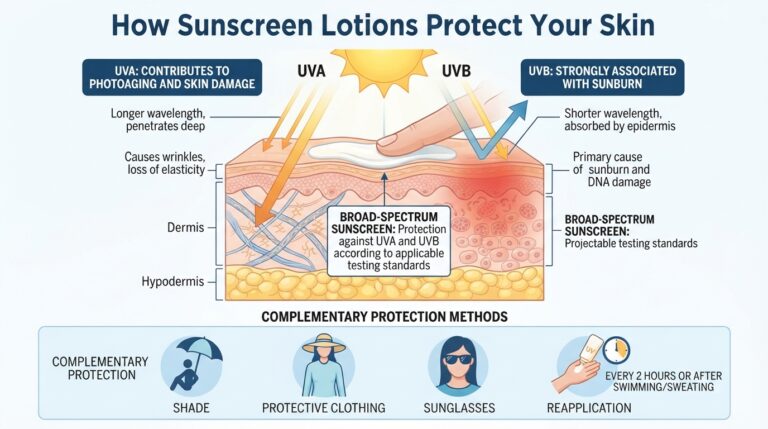
1. Broad-Spectrum Protection
Always choose a sunscreen that offers broad-spectrum protection against both UVA and UVB rays. This ensures comprehensive skin protection.
2. SPF Rating
For daily use, an SPF of 30 or higher is generally recommended. If you plan to be outdoors for extended periods, consider using a higher SPF.
3. Skin Type and Sensitivity
Your skin type can greatly influence which sunscreen is best for you. Here are some tips based on skin types:
- Oily Skin: Look for oil-free, non-comedogenic formulas.
- Dry Skin: Choose hydrating sunscreens with moisturizing ingredients.
- Sensitive Skin: Opt for mineral-based sunscreens with minimal ingredients.
How to Properly Apply Sunscreen
Effective sunscreen application is just as important as the product you choose. Follow these steps for optimal coverage:
1. Apply Generously
Use about an ounce (or a shot glass full) of sunscreen for full-body coverage. Don’t forget commonly missed areas like the ears, back of the neck, and tops of the feet.
2. Reapply Regularly
Reapply sunscreen at least every two hours, or more frequently if swimming or sweating. Most sunscreens will specify reapplication instructions on the label.
3. Use Sunscreen Daily
Even on cloudy days or when indoors, UV rays can still penetrate windows. Incorporating sunscreen into your daily routine is essential for long-term skin health.
Conclusion
In summary, the question of whether you can use face sunscreen on your body is answered with a resounding yes, but with important caveats. While face sunscreens offer gentle formulations and added skincare benefits, they may not always provide the necessary protection for larger body areas. It’s essential to consider factors like SPF, skin type, and specific activities when choosing the right sunscreen for your needs. Ultimately, whether you opt for face sunscreen on your body or a dedicated body sunscreen, the most crucial aspect is to ensure your skin is well-protected from the sun’s harmful rays.
Remember to apply generously, reapply regularly, and make sunscreen a daily habit. Your skin will thank you for it!