
In the world of skincare, one question often arises: should I put moisturizer before sunscreen? It’s a simple yet crucial inquiry that can significantly impact the health and appearance of your skin. Understanding the right order for applying these products will help you achieve optimal results and protect your skin from environmental damage.
The Importance of Moisturizer and Sunscreen in Your Skincare Routine
Moisturizers and sunscreens serve different but equally vital roles in maintaining skin health. Let’s explore why each product is essential:
Why Moisturizer Matters
Moisturizers are formulated to hydrate and lock in moisture, creating a barrier that helps prevent water loss. Here are some key benefits:
- Hydration: Keeps skin soft and supple.
- Barrier Repair: Helps restore the skin’s natural barrier.
- Soothing: Alleviates dryness and irritation.
- Anti-Aging: Can reduce the appearance of fine lines and wrinkles.
The Role of Sunscreen
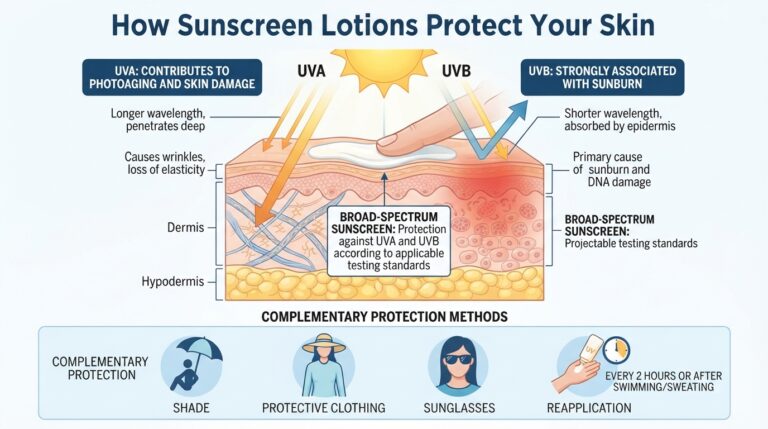
Sunscreen is essential for protecting your skin from harmful UV rays, which can lead to premature aging and skin cancer. Its benefits include:
- UV Protection: Shields against both UVA and UVB rays.
- Prevention of Skin Damage: Reduces the risk of sunburn and long-term skin issues.
- Even Skin Tone: Helps prevent discoloration and hyperpigmentation.
Understanding the Correct Application Order
Now that we appreciate the importance of both products, let’s address the main question: should I put moisturizer before sunscreen? The answer is a resounding yes. Applying moisturizer before sunscreen is the recommended approach for several reasons:
1. Enhanced Hydration
When you apply moisturizer first, you ensure that your skin is adequately hydrated. This hydration creates a smooth canvas for your sunscreen, allowing it to apply more evenly and effectively.
2. Improved Absorption
Moisturizers that contain beneficial ingredients like hyaluronic acid or glycerin can help draw water into the skin. By applying it first, these ingredients can penetrate better, enhancing overall skin health.
3. Barrier Protection
The moisturizer acts as a protective barrier, which can help the sunscreen adhere better to the skin. This layer can also reduce the risk of irritation that some sunscreens may cause when applied directly to bare skin.
Steps for the Perfect Skincare Routine
To maximize the benefits of both products, follow these steps:
- Cleanse Your Skin: Start with a gentle cleanser to remove dirt and impurities.
- Apply Toner (Optional): If you use a toner, apply it after cleansing to help prep your skin.
- Use Your Moisturizer: Apply a suitable moisturizer for your skin type and allow it to absorb for a few minutes.
- Apply Sunscreen: Use a broad-spectrum sunscreen with an SPF of at least 30, applying it generously to all exposed areas.
- Makeup (Optional): If you wear makeup, proceed with your routine after sunscreen has dried.
Choosing the Right Products
Not all moisturizers and sunscreens are created equal. Here’s what to look for:
Picking a Moisturizer
When selecting a moisturizer, consider the following:
- Skin Type: Choose a product that suits your skin type—gel-based for oily skin, cream-based for dry skin.
- Ingredients: Look for ingredients like hyaluronic acid, glycerin, and ceramides for optimal hydration.
- Non-Comedogenic: If you have acne-prone skin, opt for non-comedogenic products that won’t clog pores.
Picking a Sunscreen
When it comes to sunscreen, keep these factors in mind:
- Broad-Spectrum Protection: Ensure your sunscreen offers protection against both UVA and UVB rays.
- SPF Rating: Choose a sunscreen with at least SPF 30 for daily use.
- Water Resistance: If you’ll be sweating or swimming, opt for water-resistant formulas.
Common Misconceptions About Sunscreen
Despite the clear benefits of sunscreen, several misconceptions persist:
1. “Sunscreen Isn’t Necessary on Cloudy Days”
Many people believe that UV rays do not penetrate through clouds. However, up to 80% of UV rays can still reach your skin on overcast days. Thus, sunscreen should be part of your daily routine, regardless of the weather.
2. “Makeup with SPF Is Enough”
While some makeup products contain SPF, they often do not provide adequate coverage. It’s crucial to apply a proper amount of sunscreen for effective protection.
3. “I Don’t Need Sunscreen Indoors”
UV rays can penetrate through windows, so wearing sunscreen indoors, especially if you spend long hours near windows, is advisable.
Frequently Asked Questions
Can I skip moisturizer if I use a moisturizing sunscreen?
While some sunscreens offer moisturizing properties, it’s still advisable to apply a separate moisturizer, especially for those with dry skin. This ensures your skin receives adequate hydration.
How long should I wait between applying moisturizer and sunscreen?
It’s generally recommended to wait about 5-10 minutes after applying moisturizer before applying sunscreen. This allows the moisturizer to absorb fully into the skin.
What if I have oily skin? Should I still use moisturizer?
Even oily skin requires hydration. Look for lightweight, oil-free moisturizers that won’t clog pores while still providing essential moisture.
Conclusion
In summary, the answer to the question, should I put moisturizer before sunscreen, is a definitive yes. Moisturizer prepares your skin, enhances hydration, and allows for better sunscreen application. By following the correct order of application and choosing suitable products, you can create a robust skincare routine that keeps your skin healthy and protected from sun damage.
Remember, consistent application of both moisturizer and sunscreen is key to achieving radiant skin. So, next time you reach for your skincare products, follow these guidelines to ensure your skin receives the care it truly deserves.