
When it comes to sun protection, many people wonder if SPF 70 sunscreen is good or bad. With so many options available, it’s essential to understand what this high SPF rating means for your skin and overall health. In this comprehensive guide, we will explore the science behind SPF ratings, the benefits of using SPF 70 sunscreen, and the potential downsides that might come with it.
The Science of SPF
SPF, or Sun Protection Factor, measures how well a sunscreen can protect your skin from ultraviolet (UV) rays. The higher the SPF number, the greater the protection. For example, SPF 30 blocks about 97% of UVB rays, while SPF 70 blocks approximately 98.6%. However, the difference in protection between these two numbers is minimal, which leads to the question: is the extra protection of SPF 70 worth it?
Understanding UV Rays
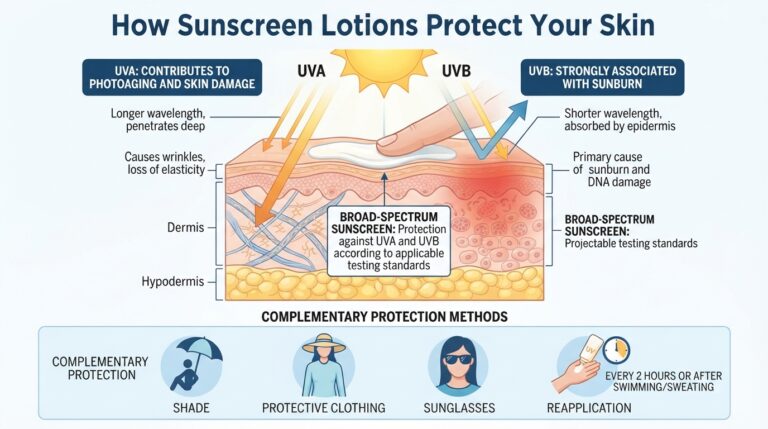
UV rays are divided into two types: UVA and UVB. Each poses different risks and requires a different type of protection:
- UVA Rays: These rays penetrate deeply into the skin and are primarily responsible for premature aging and wrinkles. They can also contribute to skin cancer.
- UVB Rays: These rays are responsible for causing sunburn and are the primary cause of skin cancer.
Both types of rays can cause significant skin damage, making it crucial to choose a broad-spectrum sunscreen that protects against both UVA and UVB radiation.
The Benefits of SPF 70 Sunscreen
Now that we understand the basics of SPF, let’s delve into the benefits of using SPF 70 sunscreen.
1. Enhanced Protection
One of the most significant advantages of SPF 70 sunscreen is the enhanced protection it offers. For those with fair skin, a history of skin cancer, or those who spend extended periods outdoors, SPF 70 can provide an extra layer of security against harmful UV rays.
2. Longer Lasting Protection
High SPF sunscreens often come with longer-lasting protection, meaning you can enjoy outdoor activities without constantly reapplying. However, it’s essential to follow the manufacturer’s guidelines on reapplication, especially after swimming or sweating.
3. Peace of Mind
Using a high SPF sunscreen can give you peace of mind, especially during peak sun hours. Knowing that you have a high level of protection can encourage you to spend more time outdoors, potentially improving your mental well-being through increased physical activity.
Potential Drawbacks of SPF 70 Sunscreen
While SPF 70 sunscreen has its benefits, it’s also important to consider some potential drawbacks.
1. Misleading Sense of Security
One of the main concerns with high SPF products is that they can create a false sense of security. Many people believe that with a higher SPF, they can stay in the sun longer without reapplying. This misconception can lead to increased sun exposure and, consequently, a higher risk of skin damage.
2. Chemical Ingredients
Some SPF 70 sunscreens contain higher concentrations of chemical ingredients, which may not be suitable for everyone. Certain chemicals can cause skin irritation or allergic reactions, particularly in sensitive skin types. Always check the ingredients list and conduct a patch test if you’re trying a new product.
3. Cost Considerations
High SPF sunscreens are often more expensive than their lower SPF counterparts. If you’re on a budget, you may find that a lower SPF sunscreen provides adequate protection when applied correctly and frequently.
How to Choose the Right Sunscreen
Choosing the right sunscreen involves more than just looking at the SPF number. Here are a few factors to consider:
1. Broad-Spectrum Protection
Always look for sunscreens labeled as “broad-spectrum.” This means they protect against both UVA and UVB rays.
2. Water Resistance
If you plan to be in the water or sweating, choose a water-resistant formula. Water-resistant sunscreens will maintain their SPF protection for a specified duration while you’re in the water.
3. Skin Type Considerations
Your skin type plays a significant role in sunscreen selection. Here’s a quick guide:
| Skin Type | Recommended Sunscreen Type |
|---|---|
| Oily Skin | Oil-free or gel-based sunscreen |
| Dry Skin | Moisturizing sunscreen with added hydrators |
| Sensitive Skin | Physical (mineral) sunscreen with zinc oxide or titanium dioxide |
| Normal Skin | Any broad-spectrum sunscreen that suits your preference |
4. Ingredients to Avoid
When selecting a sunscreen, consider avoiding certain ingredients that may irritate the skin. Some common culprits include:
- Oxybenzone
- Octinoxate
- Parabens
- Fragrance
Application Tips for Effective Sun Protection
Applying sunscreen correctly is just as important as choosing the right product. Here are some tips for effective application:
1. Apply Generously
Most people do not apply enough sunscreen. The general recommendation is to use about one ounce (a shot glass full) for full-body coverage.
2. Reapply Regularly
Reapply every two hours, or immediately after swimming, sweating, or towel drying. Even high SPF products lose their effectiveness over time.
3. Don’t Forget Commonly Missed Areas
Areas like the ears, back of the neck, and tops of the feet are often overlooked. Make sure to cover all exposed skin.
Conclusion
So, is SPF 70 sunscreen good or bad? The answer is nuanced. It offers enhanced protection, which can be beneficial for those at higher risk of skin damage. However, it’s essential to use it correctly and not rely solely on the SPF number for sun safety. Understanding your skin type, choosing the right ingredients, and applying sunscreen properly will enhance your sun protection strategy.
Ultimately, regardless of the SPF rating, protecting your skin from harmful UV rays is crucial. Make informed choices, and enjoy the sun safely!