

When it comes to skin protection, many people wonder, “Do I need sunscreen indoors?” The answer might surprise you. While it’s common to think of sunscreen as something reserved for outdoor activities, the reality is that UV rays can penetrate windows and impact your skin even when you’re safely inside. This article will explore the importance of sunscreen indoors, the types of UV rays, and how you can effectively protect yourself from potential skin damage.
The Science Behind Sun Exposure
To grasp why sunscreen is necessary indoors, it’s essential to understand the types of ultraviolet (UV) rays that can affect your skin:
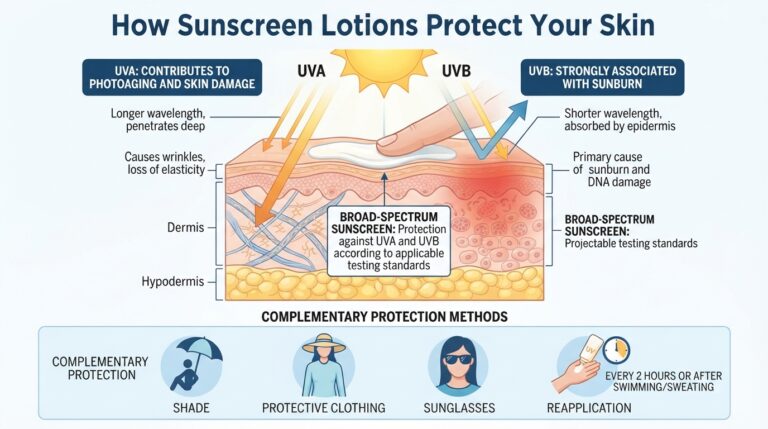
- UVA Rays: These rays can penetrate deep into the skin and are primarily responsible for premature aging and skin cancer. They account for approximately 95% of the UV radiation that reaches the Earth’s surface.
- UVB Rays: While these rays don’t penetrate as deeply as UVA rays, they are the primary cause of sunburn and play a significant role in developing skin cancer. Unlike UVA rays, UVB rays are more intense during the summer months and at higher altitudes.
Both types of UV rays can cause damage, and the fact that they can reach you indoors is a crucial aspect to consider.
How UV Rays Penetrate Indoor Spaces
Many people believe that staying indoors or behind windows offers complete protection from UV rays. However, studies have shown that:
- UVA rays can penetrate glass, allowing them to reach your skin even when you’re inside.
- UVB rays are mostly blocked by glass, but they can still cause damage during the summer months if you’re near windows that receive direct sunlight.
For example, if you work near a window or spend significant time in a sunlit room, you are still at risk of UVA exposure. Research indicates that prolonged exposure to these rays, even indoors, can contribute to skin aging and increase the risk of skin cancers over time.
The Importance of Wearing Sunscreen Indoors
Understanding the harmful effects of UV rays is vital, but why is wearing sunscreen indoors particularly important? Here are several reasons:
1. Cumulative Sun Damage
Skin damage from UV rays accumulates over time. Each time you’re exposed to sunlight, whether indoors or outdoors, it adds to your skin’s overall UV exposure, increasing your risk of skin issues, including:
- Premature aging (fine lines and wrinkles)
- Hyperpigmentation (dark spots)
- Skin cancer
2. The Risk of Indoor Activities
Many indoor activities involve prolonged exposure to sunlight, such as:
- Reading or working near a window
- Exercising in a sunlit room
- Relaxing on a sun-drenched patio
Even if you’re not outside, these activities can lead to significant UV exposure, making sunscreen a necessary part of your routine.
3. Skin Sensitivity and Conditions
Individuals with certain skin conditions or sensitivities, such as lupus or melasma, may be particularly vulnerable to UV radiation. For these individuals, wearing sunscreen indoors is not just a precaution; it’s a vital part of managing their skin health.
Choosing the Right Sunscreen for Indoor Use
When selecting a sunscreen for indoor use, consider the following factors:
1. Broad-Spectrum Protection
Choose a sunscreen that offers broad-spectrum protection, meaning it protects against both UVA and UVB rays. Look for products labeled with “broad spectrum” on the packaging.
2. SPF Rating
For daily use indoors, an SPF of 30 or higher is generally recommended. This level of protection is adequate for most people, even with limited sun exposure.
3. Lightweight and Non-Greasy Formulas
Since you’ll be wearing sunscreen indoors, consider lightweight and non-greasy formulations, such as:
- Gel-based sunscreens
- Matte-finish lotions
- Sprays
These options can help you feel comfortable throughout the day without excessive shine or residue on your skin.
How to Apply Sunscreen Indoors
Applying sunscreen indoors follows the same principles as outdoor application, but there are a few key points to keep in mind:
1. Apply Generously
Use enough product to cover all exposed areas of your skin. A general guideline is to use about a nickel-sized amount for your face and a shot glass-sized amount for your entire body.
2. Apply Before Sun Exposure
Apply sunscreen at least 15 minutes before engaging in activities near windows or in direct sunlight to give the sunscreen time to absorb and become effective.
3. Reapply Regularly
Reapply sunscreen every two hours or more often if you sweat or touch your face. If you’re indoors and not sweating much, you may not need to reapply as frequently, but it’s still a good habit to maintain.
Other Sun Safety Tips for Indoor Protection
In addition to wearing sunscreen, consider these sun safety tips to further protect your skin indoors:
- Use Window Film: Consider applying UV-blocking window film to your windows to reduce UV exposure indoors.
- Wear Protective Clothing: Use lightweight long-sleeve shirts or clothing with built-in UV protection when spending extended periods near windows.
- Utilize Hats and Sunglasses: Wearing a hat with a wide brim and UV-blocking sunglasses can provide additional protection for your face and eyes.
Conclusion
In conclusion, the question of “do I need sunscreen indoors?” has a clear answer: yes, you do. The harmful effects of UVA rays can penetrate through windows, making it imperative to incorporate sunscreen into your daily routine, even when you’re at home. By choosing the right products, applying them correctly, and adopting additional sun safety measures, you can effectively protect your skin from damage and maintain its health over time.
With knowledge and proactive measures, you can enjoy the comfort of home while safeguarding your skin against the long-term effects of sun exposure. Remember, every bit of protection counts, so make sunscreen a staple in your indoor skincare regimen.