
When it comes to enjoying the sun, many of us are left wondering, is tanning bad for you even with sunscreen? It’s a common misconception that applying sunscreen allows you to tan safely. However, the reality is more complex. In this article, we will dive deep into the effects of tanning on your skin, the role of sunscreen, and how to protect yourself from the sun’s harmful rays.
The Science Behind Tanning
Tanning occurs when your skin produces more melanin, the pigment responsible for skin color, in response to ultraviolet (UV) radiation from the sun. This process is your body’s natural defense mechanism against sun damage. However, it raises an important question: is the price of that summer glow worth the potential risks?
Understanding UV Radiation
There are two primary types of UV radiation that affect the skin:
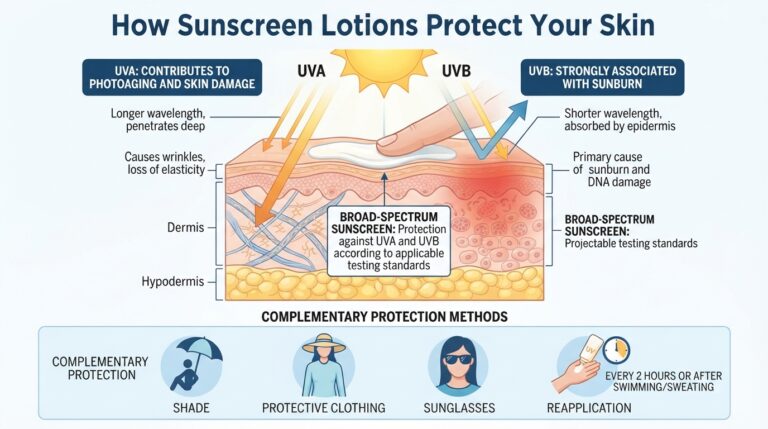
- UVA rays: These penetrate deep into the skin and are primarily responsible for premature aging, such as wrinkles and fine lines.
- UVB rays: These are the main cause of sunburn and are directly linked to skin cancer.
Both types of UV radiation can lead to significant long-term damage, and unfortunately, sunscreen doesn’t block 100% of these rays, even if it’s applied correctly.
The Risks of Tanning
Even with sunscreen, tanning can pose several risks to your skin and overall health. Here are some of the most concerning effects:
Skin Damage
Tanning can cause both immediate and long-term skin damage:
- Immediate Effects: Sunburn, redness, and peeling skin.
- Long-Term Effects: Increased risk of skin cancers, such as melanoma, basal cell carcinoma, and squamous cell carcinoma.
Premature Aging
Repeated exposure to UV rays accelerates skin aging. Studies show that individuals who tan regularly may develop:
- Fine lines and wrinkles
- Age spots
- Loss of skin elasticity
Skin Cancer Risk
According to the American Academy of Dermatology, one in five Americans will develop skin cancer in their lifetime. Tanning, regardless of whether sunscreen is used, significantly increases the risk of skin cancer:
- Using tanning beds before the age of 35 increases the risk of melanoma by 75%.
- Even a single sunburn can double the risk of developing melanoma later in life.
Limitations of Sunscreen
While sunscreen is essential for protecting your skin, it is not a foolproof solution against the dangers of tanning. Here’s why:
Inadequate Application
Many people do not apply sunscreen correctly or in sufficient amounts. The recommended amount is about one ounce (a shot glass full) for full body coverage. Common mistakes include:
- Using a lower SPF than recommended (at least SPF 30 is advised).
- Not reapplying every two hours or after swimming or sweating.
- Neglecting areas like the ears, back of the knees, and scalp.
SPF Myths
There are several myths surrounding SPF that can lead to dangerous tanning habits:
- Higher SPF Means Endless Protection: SPF only measures UVB protection, not UVA. A higher SPF does not mean you can stay in the sun longer.
- Water-Resistant Means Waterproof: No sunscreen is entirely waterproof; reapplication is necessary after swimming.
Safe Sun Practices
If you’re keen on enjoying the sun without risking your health, consider these safe sun practices:
Seek Shade
Avoid direct sunlight, especially during peak hours (10 AM to 4 PM). If you must be outdoors, seek shade whenever possible.
Wear Protective Clothing
Long sleeves, wide-brimmed hats, and UV-blocking sunglasses can help shield your skin from sun exposure. Look for clothing with a UPF (Ultraviolet Protection Factor) rating for added protection.
Use Broad-Spectrum Sunscreen
Choose a broad-spectrum sunscreen that protects against both UVA and UVB rays. Make sure it has at least SPF 30 and is water-resistant.
Limit Tanning Sessions
If you’re determined to tan, limit your exposure to short durations and consider alternatives like self-tanning lotions or sprays that provide a bronzed look without harmful UV exposure.
Alternatives to Natural Tanning
If you want a sun-kissed glow without the risks associated with tanning, consider these alternatives:
Self-Tanners
Self-tanners are a popular choice for those looking to achieve a bronzed look without sun exposure. They contain dihydroxyacetone (DHA), which reacts with the skin’s surface to produce color. Here are some benefits:
- Quick and easy application
- Customizable shades
- No risk of UV damage
Spray Tans
Professional spray tans can provide an even, natural-looking tan. These can be tailored to suit your skin tone and preferences.
Bronzers and Makeup
Creams, powders, and lotions can give your skin a temporary glow without any exposure to UV rays. They can be easily washed off at the end of the day.
Conclusion
So, is tanning bad for you even with sunscreen? The evidence suggests that while sunscreen provides some level of protection, it does not eliminate the risks associated with tanning. The damages from UV exposure can accumulate over time, leading to serious health issues, including skin cancer and premature aging. It’s essential to adopt safe sun practices and consider alternatives to achieve that desired glow without compromising your skin health.
Remember, the best way to enjoy the sun is to do so safely and responsibly. Protect your skin now for a healthier future.