

When it comes to skincare and makeup routines, one question often stands out: what goes first, primer or sunscreen? This query is crucial for anyone looking to achieve flawless skin while ensuring proper sun protection. Understanding the correct order of application can enhance both the effectiveness of your skincare products and the longevity of your makeup.
The Importance of Sunscreen
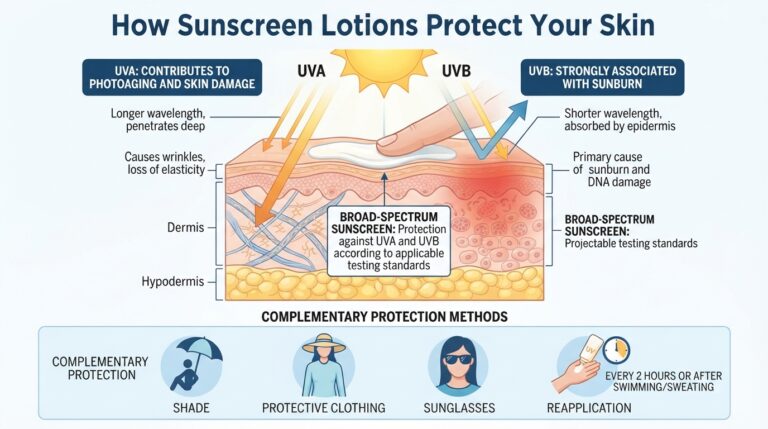
Sunscreen is an essential component of any skincare routine. It protects the skin from harmful UV rays, which can lead to premature aging, sunburn, and an increased risk of skin cancer. The American Academy of Dermatology recommends using a broad-spectrum sunscreen with an SPF of at least 30.
Here are some key benefits of incorporating sunscreen into your daily routine:
- Prevents skin damage and reduces the risk of skin cancer
- Helps maintain an even skin tone
- Reduces the appearance of fine lines and wrinkles
- Can improve the overall texture and health of your skin
Understanding Primer
Primer is a makeup product designed to create a smooth base for foundation and other makeup. It helps to fill in pores, reduce the appearance of fine lines, and create a more even skin texture. Primers can also help makeup last longer throughout the day.
There are various types of primers available, including:
- Silicone-based primers: These create a smooth surface and are excellent for blurring imperfections.
- Water-based primers: Light and hydrating, these are suitable for oily or combination skin types.
- Color-correcting primers: These can neutralize redness or dullness in the skin, enhancing the overall appearance.
What Goes First: Primer or Sunscreen?
The correct order of application can often be a topic of debate. However, most experts agree that sunscreen should be applied before primer. Here’s why:
1. Protection First
Sunscreen is your first line of defense against UV rays. By applying it first, you ensure that the skin is adequately protected. If you apply primer over sunscreen, it may not fully absorb into the skin, potentially reducing its effectiveness.
2. Better Makeup Application
When you apply sunscreen first, it allows the product to settle into your skin. This creates a smooth base for your primer, leading to better makeup application. Primer works best on a hydrated surface, and sunscreen provides that hydration.
3. Avoid Pilling
Applying a primer over sunscreen can sometimes lead to pilling, where the products do not blend well together and form little balls on the skin. This is particularly common with thicker sunscreen formulations. By applying sunscreen first, you reduce the chances of this occurring.
Steps to Apply Primer and Sunscreen
Applying sunscreen and primer correctly is essential for optimal results. Here’s a step-by-step guide:
- Cleanse: Start with a clean face to remove any impurities.
- Moisturize: Apply a lightweight moisturizer to hydrate your skin.
- Apply Sunscreen: Use a broad-spectrum sunscreen liberally, ensuring coverage on all exposed skin. Allow it to absorb for about 10-15 minutes.
- Apply Primer: Once the sunscreen has absorbed, apply your primer using your fingers, a brush, or a sponge. Focus on areas where you want to smooth out texture.
- Apply Foundation: Follow with your foundation and other makeup products as usual.
Tips for Choosing the Right Products
Not all primers and sunscreens are created equal. Here are some tips for selecting the right products to ensure compatibility:
1. Check Formulations
Make sure your primer and sunscreen work well together. A water-based primer should ideally be paired with a water-based sunscreen to avoid separation and pilling.
2. Consider Your Skin Type
Your skin type plays a significant role in the products you choose:
- Oily Skin: Opt for oil-free sunscreens and mattifying primers.
- Dry Skin: Look for hydrating sunscreens and moisturizing primers.
- Combination Skin: Choose products that balance hydration without being overly greasy.
3. Test for Compatibility
Before committing to a new sunscreen or primer, test them together on a small area of your skin to ensure they blend without causing irritation or pilling.
Common Myths About Sunscreen and Primer
There are several misconceptions surrounding the use of sunscreen and primer. Let’s debunk a few:
Myth 1: Sunscreen is Only Needed on Sunny Days
UV rays can penetrate clouds, so it’s important to wear sunscreen every day, regardless of the weather. This is especially true if you spend time indoors near windows.
Myth 2: Primer Replaces Sunscreen
Some primers contain SPF, but they should not replace your regular sunscreen. Always apply a dedicated sunscreen for full protection.
Myth 3: You Don’t Need Sunscreen if Your Makeup Contains SPF
Makeup products with SPF are great for added protection, but they usually don’t provide enough coverage. Always apply a sunscreen underneath.
Conclusion
In conclusion, the order in which you apply your skincare and makeup products is vital for achieving the best results. Always start with sunscreen, allowing it to absorb before applying primer. This method not only provides optimal sun protection but also enhances your makeup application. By understanding the importance of both products and how they work together, you can ensure your skin stays healthy and beautiful.
Remember, taking care of your skin is a lifelong commitment. Choosing the right products and applying them in the correct order will help you achieve a radiant complexion while protecting your skin from harmful UV rays.