
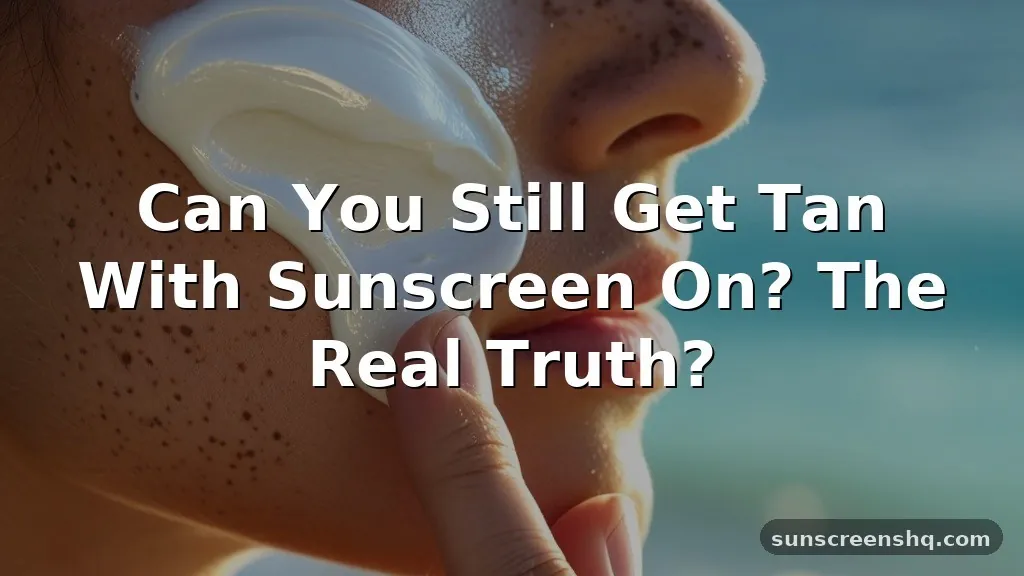
If you have ever wondered whether can i still get tan with sunscreen while lounging by the pool, you are definitely not alone. Many beachgoers want a golden glow without paying the heavy price of burns and long-term cellular trauma. The short answer is yes, color development still happens, but the mechanism behind it requires a closer look at how UV radiation interacts with your epidermis.
Understanding the balance between safe sun protection and cosmetic changes helps you maintain your health while enjoying the outdoors. Here is everything you need to know about how your skin reacts to sunlight when protected by lotions and sprays.
How UV Radiation Interacts with Protected Skin
When asking if can i still get tan with sunscreen, you must first understand that no filter blocks one hundred percent of incoming light. Sun protection products are engineered to filter out a significant percentage of solar rays, but some radiation still reaches your living cells. When you apply a chemical or physical lotion, you create a microscopic shield that absorbs or scatters incoming photons before they can trigger acute burns.
However, this shield is not absolute. An SPF 30 product filters out approximately ninety-seven percent of UVB rays, leaving three percent to penetrate your barrier. That remaining percentage is often enough to stimulate your melanocytes, which are the specialized cells responsible for producing melanin.
Melanin is the pigment that darkens your complexion as a defense mechanism against further trauma. Because a small amount of radiation still slips through the filter, your body gradually produces this pigment over time.
The rate at which this happens depends heavily on your application habits and formulation strength. If you apply a thin layer or forget to reapply every two hours, that blockage drops significantly, letting more light through.
This increased penetration accelerates melanin production, but it also elevates your chances of experiencing redness or cellular harm. True sun safety relies on recognizing that color change is actually a sign of injury, even if it looks appealing in the mirror.
Comparing SPF Levels and Their Effect on Color
The numerical rating on your bottle plays a massive role in determining how much color you can develop during outdoor activities. Many people assume that choosing a lower number means faster pigmentation, but it also multiplies the danger of painful burns. To make sense of these numbers, consider how different formulations perform under real-world conditions.
Higher SPF ratings block a greater proportion of incoming radiation, slowing down the pigmentation process significantly. Lower numbers allow more light to pass through, yielding faster color changes alongside a much steeper safety penalty. The table below outlines how various protection factors filter out UVB radiation and influence your outdoor experience.
| SPF Rating | UVB Blockage Percentage | Impact on Tanning Speed |
|---|---|---|
| SPF 15 | 93% | Fastest color development, high burn risk |
| SPF 30 | 97% | Moderate color development, balanced protection |
| SPF 50 | 98% | Slow color development, high safety margin |
| SPF 100 | 99% | Minimal color development, maximum defense |
Choosing the right product involves balancing your aesthetic goals with basic dermatological safety. Opting for a broad-spectrum option ensures that both UVA and UVB components are mitigated, keeping your skin safe while you enjoy the warmth. According to the Skin Cancer Foundation, daily use of a high-factor lotion dramatically reduces your lifetime probability of developing dangerous malignancies while still allowing normal outdoor activity.
UVA Versus UVB Rays in Color Development
The two main types of solar radiation affect your body in vastly different ways, making it vital to separate their roles in pigmentation. UVB rays are primarily responsible for the redness and acute burns that ruin a summer vacation. They interact with the upper layers of your tissue and stimulate delayed melanin production over the course of several days.
UVA rays, on the other hand, penetrate much deeper into the dermis and are the primary drivers of immediate pigment darkening and premature aging. Many traditional lotions historically focused only on UVB protection, which gave people a false sense of security while UVA rays quietly caused structural degradation. Modern formulations incorporate broad-spectrum ingredients like zinc oxide or avobenzone to tackle both threats simultaneously.
When you wear a broad-spectrum product, you suppress the immediate oxidation of existing melanin caused by UVA light while also blocking the DNA-damaging UVB photons. Consequently, any color you develop while wearing these advanced formulas builds much more slowly and safely. This gradual process prevents the peeling and blistering associated with unprotected exposure, giving you a smoother and more enduring result.
Practical Habits for Gradual and Safe Color
Achieving a safe, golden glow requires more than just picking the right bottle off the store shelf. Proper application technique dictates whether your lotion performs as intended or leaves vulnerable gaps in your coverage. Most people apply only a fraction of the recommended amount, severely reducing the actual protection level on their skin.
Experts recommend using roughly one ounce—about a shot glass full—to cover an adult body adequately. Reapplication is equally critical, especially after swimming, heavy sweating, or towel drying. Neglecting this step leaves your skin exposed during peak radiation hours, turning a safe afternoon into a painful mistake.
- Apply your chosen lotion fifteen to thirty minutes before heading outside to allow the chemical filters to bind properly.
- Cover often-missed spots like the back of your knees, ears, and the tops of your feet.
- Seek shade during peak intensity hours between ten in the morning and four in the afternoon.
- Pair your topical defense with UV-protective clothing and wide-brimmed hats for comprehensive safety.
Consistency matters far more than intensity when building a summer look without risking long-term damage. Spending shorter intervals outdoors over several weeks allows your melanocytes to adapt naturally without becoming overwhelmed by excessive radiation.
Myths and Misconceptions About Protection and Pigment
Numerous old wives’ tales persist regarding how lotions interact with sunlight, often leading people into dangerous habits. One common myth suggests that using a high-factor product stops any color development permanently, prompting individuals to skip protection entirely. In reality, your body still produces melanin underneath a robust barrier; it simply takes longer to become visible.
Another widespread misconception is that waterproof formulas remain effective indefinitely while you swim or play sports. No formula is truly waterproof, only water-resistant for a specified duration of forty to eighty minutes. Failing to reapply after splashing in the waves strips away your defense, leaving you entirely vulnerable to burning.
People also frequently believe that a base tan acquired early in the season protects them from future burns. Dermatologists clarify that a base tan provides an SPF equivalent of only three or four, offering virtually no real defense against harmful radiation. Dispelling these myths ensures you make informed choices that prioritize long-term vitality over short-term cosmetic desires.
Nutritional and Topical Support for Skin Health
Maintaining vibrant and resilient tissue goes beyond what you apply topically; your internal health plays a massive supporting role. Eating a balanced diet rich in antioxidants helps neutralize the free radicals generated by UV exposure. Foods containing carotenoids, such as carrots, sweet potatoes, and leafy greens, build up in your tissues and offer a minor internal layer of defense.
Hydration is another critical factor that influences how your complexion looks and feels after spending time outdoors. Sun exposure causes trans-epidermal water loss, leaving your tissue dry, tight, and prone to peeling. Drinking plenty of water helps maintain cellular turgor and supports the natural turnover of skin cells.
Combining proper nutrition with reliable topical products creates a comprehensive defense strategy that keeps your body healthy. You can enjoy outdoor activities, develop a mild and natural color over time, and avoid the painful consequences of overexposure by respecting your skin’s natural limits.
Frequently Asked Questions
Does sunscreen completely stop you from tanning?
No, it does not stop pigmentation completely. Because no product blocks one hundred percent of UV radiation, a small amount of light always penetrates the barrier. This remaining radiation stimulates your melanocytes to produce pigment gradually over time.
Which SPF allows the fastest color development?
Lower factors like SPF 15 allow more radiation to reach your skin, resulting in faster color changes. However, they also provide less protection against burns and long-term cellular damage, making them a riskier choice for most people.
How long should you stay in the sun with protection?
The ideal duration depends on your individual skin type, the current UV index, and the strength of your product. It is always safer to limit continuous exposure to short intervals and seek shade frequently throughout the day.
Can you get a tan through SPF 50?
Yes, you can still develop a mild color while wearing SPF 50. Because it blocks roughly ninety-eight percent of UVB rays, the remaining two percent will slowly stimulate melanin production over multiple outdoor sessions without causing burns.
Conclusion
Exploring whether can i still get tan with sunscreen reveals that achieving a sun-kissed look and maintaining proper health can go hand in hand. By selecting broad-spectrum formulas, applying them generously, and respecting the limits of your skin, you can enjoy the outdoors safely. Prioritizing smart habits ensures your glow comes without the painful and damaging consequences of burns.
Take time to evaluate your outdoor routine, choose the right protection level for your needs, and enjoy the sunshine responsibly. Your future skin will thank you for the care and attention you invest today.