
Knowing how to remove sunscreen is essential for maintaining healthy skin. While sunscreen is vital for protecting against harmful UV rays, it can also leave residues that may clog pores or irritate the skin if not properly removed.
Understanding Sunscreen
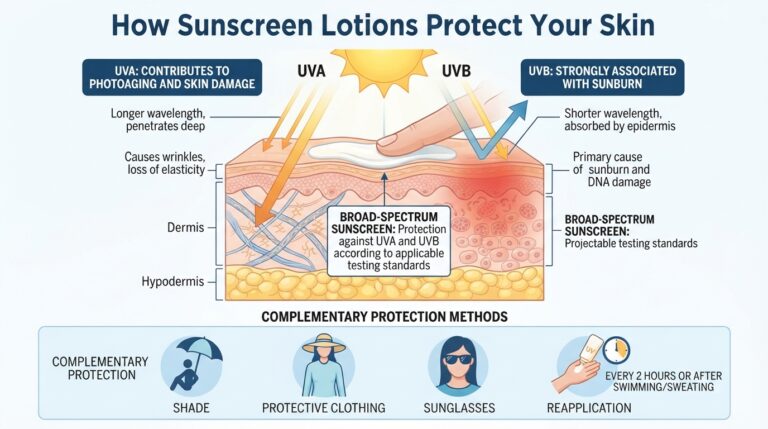
Before diving into removal methods, it’s important to understand what sunscreen is and how it works. Sunscreens come in two main types: chemical and physical (or mineral) sunscreens. Each type has its own ingredients and mechanisms of action.
Chemical Sunscreens
Chemical sunscreens absorb UV radiation through their chemical ingredients, which include avobenzone, octisalate, octocrylene, and oxybenzone. These ingredients convert UV rays into heat, which is then released from the skin.
Physical (Mineral) Sunscreens
Physical sunscreens contain active mineral ingredients like zinc oxide or titanium dioxide. They work by sitting on the skin and reflecting UV rays, providing a barrier against sun damage.
Why Proper Removal Matters
Removing sunscreen properly is crucial for several reasons:
- Prevents Breakouts: Leftover sunscreen can clog pores, leading to acne and other skin issues.
- Maintains Skin Health: Residual sunscreen can cause irritation and sensitivity if allowed to accumulate on the skin.
- Ensures Effective Skincare: A clean canvas allows your skincare products to penetrate effectively, maximizing their benefits.
Steps to Remove Sunscreen Effectively
Now that we understand the importance of proper sunscreen removal, let’s explore effective methods. Here’s a step-by-step guide:
1. Choose the Right Cleanser
The first step in removing sunscreen is selecting the right cleanser. Here are two recommended types:
- Oil-Based Cleansers: Perfect for breaking down both chemical and physical sunscreens. They dissolve the sunscreen without stripping the skin’s natural oils.
- Foam or Gel Cleansers: Great for those with oily skin. These cleansers can effectively remove residue but may require a second wash if using physical sunscreens.
2. Double Cleansing Method
The double cleansing method is particularly effective for removing sunscreen. Here’s how to do it:
- First Cleanse: Apply an oil-based cleanser to dry skin. Massage it gently, allowing it to break down the sunscreen. Rinse with warm water.
- Second Cleanse: Use a water-based gel or foam cleanser to eliminate any remaining residue. This step ensures your skin is completely clean.
3. Use a Micellar Water
If you prefer a quick and gentle option, micellar water can be an effective solution. Here’s how to use it:
- Soak a cotton pad with micellar water.
- Gently wipe the cotton pad across your face, focusing on areas where sunscreen is applied most heavily.
- Repeat until the cotton pad comes away clean.
4. Exfoliate Regularly
Incorporating exfoliation into your skincare routine can further help in removing any leftover sunscreen. Here’s how often you should exfoliate:
- For Oily Skin: 2-3 times a week.
- For Dry or Sensitive Skin: 1-2 times a week.
Choose a gentle exfoliant to prevent irritation, and always follow up with a moisturizer.
5. Pay Attention to Sensitive Areas
Areas such as around the eyes and mouth can be particularly sensitive, so be gentle when removing sunscreen here. Use a soft cotton pad and a gentle cleanser or micellar water to avoid irritation.
Tips for Effective Sunscreen Removal
To enhance your sunscreen removal routine, consider the following tips:
- Stay Hydrated: Hydration helps maintain skin barrier function, making it easier to remove products.
- Use a Clean Towel: After washing your face, use a clean towel to gently pat your skin dry.
- Follow with Toner: A toner can help remove any remaining residue and prepare your skin for moisturizer.
Common Mistakes to Avoid
To ensure you’re effectively removing sunscreen, steer clear of these common mistakes:
- Using Only Water: Water alone won’t remove sunscreen effectively, especially physical formulas.
- Skipping Moisturizer: After cleansing, always apply a moisturizer to maintain skin hydration.
- Over-Exfoliating: While exfoliation is beneficial, overdoing it can lead to irritation and compromised skin barrier.
Conclusion
Knowing how to remove sunscreen effectively is crucial for maintaining healthy and radiant skin. By following the steps outlined in this guide, you can ensure that your skin remains free from residue, preventing breakouts and irritation. Remember to choose the right cleanser, consider the double cleansing method, and pay attention to your skin’s unique needs.
With a proper skincare routine, you can enjoy the benefits of sunscreen without compromising your skin health. Make these practices a part of your daily routine, and watch your skin thrive in response!