
Heading to the beach usually involves grabbing a bottle of SPF to protect against UV rays, but figuring out what reef safe sunscreen mean in practice takes a bit more attention. Sun protection lotions wash off in the ocean every time swimmers take a dip, leaving behind chemical residues that interact directly with delicate marine ecosystems. Understanding how these formulations differ from conventional bottles helps preserve fragile underwater habitats.
When shopping for beach gear, decoding marketing labels becomes essential because current regulations lack a strict legal definition for the phrase. Manufacturers often stamp bottles with friendly ocean imagery, yet the actual formulation might still contain problematic ingredients. Knowing which components damage coral and which alternatives work safely ensures that vacationers keep both their skin and the ocean protected.
Decoding the True Definition of Marine-Friendly Sun Protection

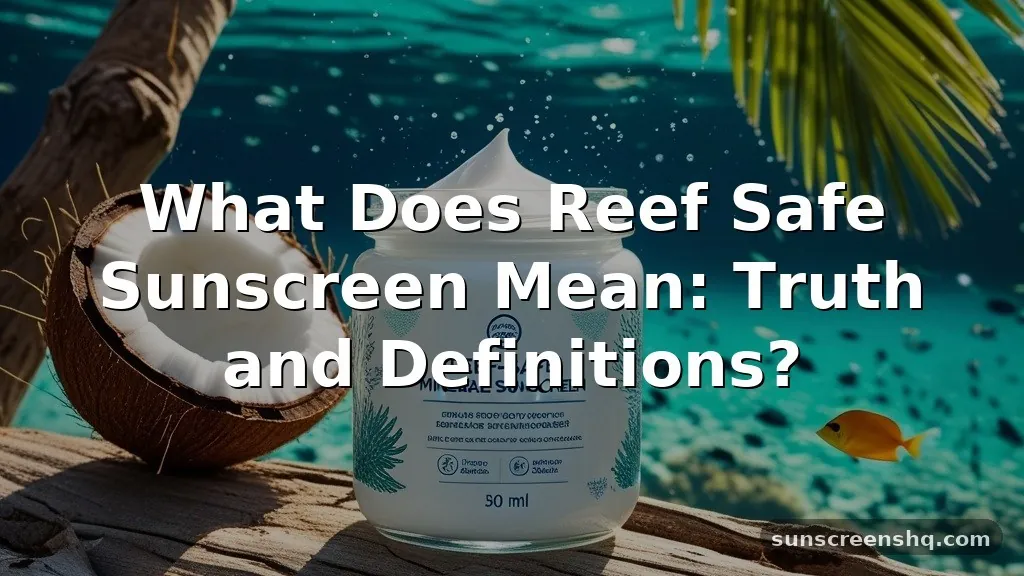
A reef safe sunscreen formulation refers to a product that excludes active chemical ingredients known to cause coral bleaching, DNA damage in aquatic organisms, and disruption in marine life reproduction. Standard chemical blockers absorb ultraviolet light, but those same compounds react poorly with saltwater environments. When people swim, these elements detach from the skin and accumulate in coastal waters, stressing the microscopic algae that nourish stony corals.
The term also addresses physical versus chemical UV filters. Mineral sunscreens rely on earth-derived minerals to bounce rays away from the body rather than absorbing them through a chemical reaction. Because these minerals sit on top of the skin instead of penetrating it or dissolving entirely into the water, they pose significantly lower risks to sea turtles, fish populations, and benthic organisms.
To understand the broader scientific consensus on these aquatic impacts, researchers often point to findings published by the National Oceanic and Atmospheric Administration regarding sunscreen and coral health. These studies track how specific compounds lower resilience in warming oceans, making strict ingredient evaluation crucial for coastal visitors.
Chemical Culprits to Avoid on the Coastline
Several synthetic UV filters trigger severe ecological damage even at very low concentrations in seawater. The most notorious offenders include oxybenzone and octinoxate, which led to high-profile legislative bans in regions like Hawaii and the US Virgin Islands. These compounds accelerate coral bleaching, a process where corals expel their vital algae partners and turn completely white.
Beyond those two main chemicals, regulators and marine scientists frequently flag additional compounds that disrupt marine ecosystems. Checking ingredient labels for these problematic additives prevents accidental damage to local habitats during a beach trip.
- Oxybenzone: Triggers endocrine disruption in fish and severe deformities in coral larvae.
- Octinoxate: Highly toxic to aquatic life, contributing rapidly to coral bleaching events.
- Octisalate and Octocrylene: Accumulate in marine organisms and persist in coastal sediments.
- Parabens: Common preservatives that mimic hormones and harm aquatic reproduction cycles.
Avoiding these substances requires scanning the back of the bottle rather than trusting front-label claims. Many brands market their items as nature-inspired while still blending traditional petrochemical filters into the base.
Mineral Filters as the Gold Standard for Ocean Safety
True ocean-friendly protection relies on two primary mineral ingredients: zinc oxide and titanium dioxide. These physical blockers function like microscopic shields, reflecting sunlight away before it reaches the epidermis. Because they remain inert in seawater, they do not trigger the toxic chemical reactions associated with synthetic alternatives.
Particle size matters significantly when choosing mineral formulas. Consumers should always look for non-nano formulations, meaning the mineral particles are larger than 100 nanometers. Nano-sized particles can be ingested by filter-feeding marine creatures like corals and mussels, potentially causing internal cellular distress.
The table below compares the two main categories of UV protection and their respective environmental trade-offs.
| Sunscreen Type | Primary Active Ingredients | Impact on Marine Life | Skin Feel |
|---|---|---|---|
| Mineral (Reef Safe) | Zinc Oxide, Titanium Dioxide | Minimal to none; safe for corals and fish | Slightly thicker; may leave a white cast |
| Chemical (Traditional) | Oxybenzone, Avobenzone, Octisalate | High toxicity; causes bleaching and DNA damage | Lightweight; absorbs invisibly |
Regulatory Landscapes and Regional Bans
Local governments have taken legislative action to protect vulnerable coral reefs from chemical pollution. Hawaii implemented a landmark ban prohibiting the sale and distribution of sunscreens containing oxybenzone and octinoxate. Similar restrictions exist in Key West, the US Virgin Islands, and parts of Mexico, forcing major cosmetic companies to reformulate their classic products.
Navigating these rules means travelers must check local laws before packing their beach bags. Importing banned chemical lotions into restricted zones can lead to fines, but more importantly, it defeats the conservation goals established by local communities. Eco-conscious destinations prefer that visitors rely exclusively on certified mineral formulas.
Enforcement mechanisms vary by region, with some parks inspecting beach bags at entry gates. Supporting local conservation efforts starts with buying compliant products at local shops rather than bringing prohibited formulas from home.
How to Read Labels and Spot Greenwashing Tactics
Marketing departments frequently use misleading terms to capitalize on consumer interest in sustainability. Phrases like ocean-friendly or natural provide zero regulatory guarantees. True reef safety depends entirely on the active ingredient panel located on the back of the container.
Shoppers need to verify that zinc oxide or titanium dioxide makes up the entirety of the active ingredients list. Additionally, checking for unnecessary plastic packaging helps minimize overall environmental footprints. Brands committed to marine preservation often utilize biodegradable tubes, aluminum tins, or cardboard containers.
Scrutinizing the inactive ingredients list is equally important. Fragrances, microplastics, and synthetic emulsifiers can still pose minor threats to coastal waters. Keeping ingredient lists simple and transparent ensures minimal ecological disruption.
Practical Tips for Sustainable Sun Protection Habits
Protecting the skin without damaging marine habitats involves more than just swapping out a lotion bottle. Sun-protective clothing, rash guards, and wide-brimmed hats reduce the total amount of lotion needed during long days on the sand. Applying protection twenty minutes before exposure allows the mineral layer to bind effectively to the skin.
Timing matters when heading into the water after an application. Giving mineral lotions a few minutes to set reduces immediate wash-off rates. Swimmers should also reapply responsibly, choosing shaded areas on the beach rather than rinsing heavy layers directly off in fragile tide pools.
Building sustainable beach habits protects both personal health and aquatic biodiversity for future generations. Small changes in purchasing decisions create a collective impact on vulnerable coastal zones worldwide.
Frequently Asked Questions
What is the difference between reef safe and regular sunscreen?
Reef safe formulas use mineral blockers like zinc oxide that sit on the skin and do not harm marine life. Regular sunscreens rely on petrochemicals like oxybenzone, which trigger coral bleaching and disrupt aquatic ecosystems when washed off.
Are all mineral sunscreens automatically safe for coral reefs?
Not necessarily. Mineral sunscreens must be non-nano to be truly safe. If the mineral particles are nano-sized, they can be ingested by corals and marine life, potentially causing cellular damage despite being mineral-based.
How can I verify if a brand is genuinely reef safe?
Ignore front-label marketing claims and read the active ingredients panel. Look for zinc oxide or titanium dioxide as the sole active components, and ensure the product contains no oxybenzone, octinoxate, or octocrylene.
Does reef safe sunscreen expire faster than regular lotion?
Mineral sunscreens have a similar shelf life to chemical formulas, usually lasting around three years. However, natural mineral ingredients can separate over time, so giving the tube a good shake before application ensures proper mixing.
Conclusion
Understanding what reef safe sunscreen mean transforms everyday beach outings into mindful acts of conservation. Choosing non-nano mineral alternatives keeps toxic petrochemicals out of fragile marine habitats while still delivering reliable UV defense. Simple adjustments to shopping habits safeguard both personal health and vibrant underwater ecosystems for years to come.
Next time you prepare for a coastal getaway, check those ingredient labels closely and share your favorite mineral protection tips with fellow travelers in the comments below.