
When it comes to protecting your skin from harmful UV rays, sunscreen is a crucial ally. However, many people wonder, does sunscreen go bad? This question is more important than you might think, as using expired or ineffective sunscreen can lead to sunburns and long-term skin damage. In this article, we’ll explore everything you need to know about sunscreen expiration, safety, and how to make sure your skin is well protected.
The Shelf Life of Sunscreen
Sunscreen typically has a shelf life of about three years. However, this can vary depending on several factors, including the formulation, packaging, and storage conditions. Most commercial sunscreens are required by law to have an expiration date printed on the bottle, which is a good indicator of when the product may no longer be effective.
Here are some key points regarding the shelf life of sunscreen:
- Expiration Dates: Check for an expiration date on the sunscreen bottle. If the date has passed, it’s time to replace it.
- Storage Conditions: Sunscreens should be stored in a cool, dry place. High temperatures can degrade the active ingredients, making them less effective.
- Packaging: Sunscreens in opaque or air-tight containers tend to last longer than those in clear or open containers.
How to Tell If Your Sunscreen Has Gone Bad
It can sometimes be difficult to determine whether sunscreen is still good to use. Here are some signs to look for:
Changes in Texture or Consistency
If your sunscreen has separated, become clumpy, or has changed in consistency, it may no longer be effective. A smooth, even texture is essential for proper application and protection.
Unpleasant Odor
Expired sunscreen can develop a rancid or off smell. If you notice any unusual odors, it’s best to err on the side of caution and discard the product.
Color Changes
A change in color could indicate that the active ingredients have degraded. If your sunscreen has significantly changed color from when you first bought it, it’s a good idea to replace it.
Understanding Sunscreen Ingredients
To better understand whether your sunscreen is still effective, it’s helpful to know what’s inside it. Sunscreens typically contain two types of active ingredients: chemical and physical (or mineral).
Chemical Sunscreens
Chemical sunscreens absorb UV radiation and convert it into heat, which is then released from the skin. Common ingredients include:
- Avobenzone
- Octisalate
- Octocrylene
- Oxybenzone
Physical (Mineral) Sunscreens
Physical sunscreens use minerals like zinc oxide or titanium dioxide to create a barrier on the skin that reflects UV radiation. These ingredients are generally considered more stable over time compared to chemical ingredients.
Factors That Affect Sunscreen Stability
Several factors can affect the stability and effectiveness of sunscreen:
Temperature
Excessive heat can break down the active ingredients in sunscreen. For optimal effectiveness, store your sunscreen in a cool place, away from direct sunlight.
Frequency of Use
If you use your sunscreen regularly and it’s exposed to air and light frequently, it may lose its effectiveness faster than if it’s stored in a cool, dark place.
Water Resistance
Water-resistant sunscreens are designed to maintain their SPF protection for a specific period while swimming or sweating. However, if the product has been open for an extended time, it may not retain its water-resistant properties.
Best Ways to Store Sunscreen
Proper storage can help extend the life of your sunscreen. Consider the following tips:
- Avoid Heat: Keep sunscreen in a cool location, ideally below 77°F (25°C).
- Seal Tightly: Always close the cap tightly after use to minimize air exposure.
- Avoid Humidity: Store sunscreen in a dry area, away from humidity, such as bathrooms.
What to Do with Expired Sunscreen
Using expired sunscreen is not advisable. Here’s what you can do:
- Dispose of It Properly: Check local regulations for disposing of personal care products.
- Replace It: Invest in a new bottle to ensure your skin is protected.
- Consider Travel Sizes: If you frequently travel, consider buying smaller sizes that can be used up before they expire.
The Importance of Using Sunscreen
Using sunscreen is crucial for protecting your skin from the sun’s harmful rays. Here are several reasons why regular application is important:
Prevention of Skin Cancer
Regular use of sunscreen can significantly reduce your risk of developing skin cancer. According to the American Academy of Dermatology, using sunscreen can lower the risk of melanoma by 50%.
Prevention of Premature Aging
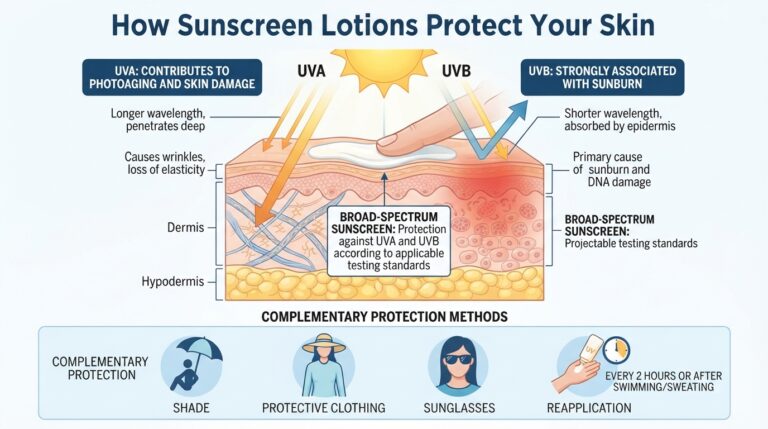
Sunscreen helps prevent premature aging signs such as wrinkles, fine lines, and dark spots, which are often caused by sun exposure.
Protection from Sunburn
Sunburn can be painful and damaging to the skin. Applying sunscreen regularly can help prevent sunburn and its associated discomfort.
Choosing the Right Sunscreen
When selecting a sunscreen, consider the following factors:
- SPF Rating: Choose a broad-spectrum sunscreen with an SPF of 30 or higher for optimal protection.
- Water Resistance: If you plan to swim or sweat, look for water-resistant options.
- Skin Type: If you have sensitive skin, opt for mineral-based sunscreens with fewer irritants.
Conclusion
In summary, does sunscreen go bad? Yes, sunscreen can expire and lose its effectiveness over time. By understanding the signs of expired sunscreen and knowing how to store and select the right products, you can ensure your skin remains protected from harmful UV rays. Always check expiration dates, observe changes in appearance or smell, and invest in new sunscreen when necessary to keep your skin healthy and safe.