
Many people wonder, can you wear sunscreen in a tanning bed? This question is particularly relevant as more individuals seek to achieve that sun-kissed glow without the natural sun exposure. In this blog post, we will dive deep into the topic, exploring the benefits and risks associated with using sunscreen in tanning beds, as well as providing you with essential tips for safe tanning practices.
The Science Behind Tanning Beds
Tanning beds are designed to emit ultraviolet (UV) radiation, primarily UVA and UVB rays, which stimulate the production of melanin in the skin, leading to a tan. However, this exposure comes with its own set of risks, primarily skin damage and an increased risk of skin cancer.
Understanding UV Radiation
UV radiation can be categorized into three types:
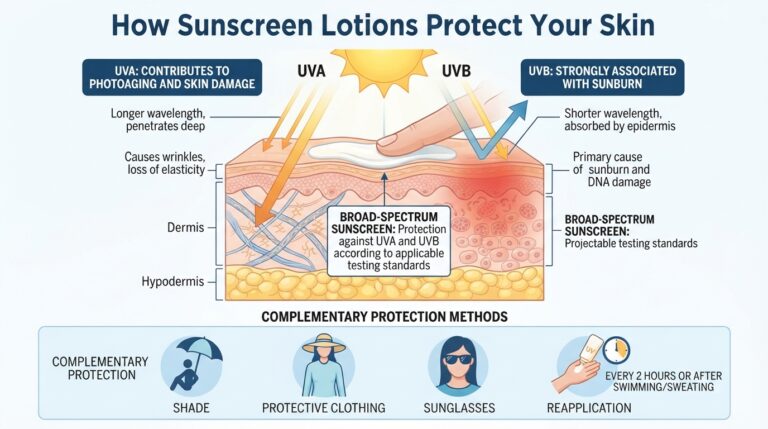
- UVA: These rays penetrate deeply into the skin and are primarily responsible for aging and long-term skin damage.
- UVB: These rays affect the outer layer of the skin and are responsible for causing sunburn.
- UVC: Generally absorbed by the Earth’s atmosphere and do not reach the surface, but can be generated by artificial sources.
Both UVA and UVB rays have the potential to damage DNA in skin cells, which can lead to skin cancers. Understanding this helps us appreciate the importance of skin protection while using tanning beds.
The Role of Sunscreen in Tanning
When it comes to tanning, you may ask yourself, “Can you wear sunscreen in a tanning bed?” The short answer is yes, but with some important considerations.
Why Use Sunscreen?
Sunscreen serves several crucial functions:
- Protects Skin: Sunscreen helps shield the skin from harmful UV rays, reducing the risk of sunburn and long-term damage.
- Prevents Premature Aging: Regular use of sunscreen can help maintain skin elasticity and prevent wrinkles.
- Reduces Skin Cancer Risk: By blocking or absorbing harmful UV radiation, sunscreen can lower the likelihood of developing skin cancer.
Types of Sunscreen
There are two primary types of sunscreen:
- Chemical Sunscreens: These absorb UV radiation and transform it into heat, which is then released from the skin. Common ingredients include avobenzone, octisalate, and octocrylene.
- Physical (Mineral) Sunscreens: These contain active mineral ingredients like zinc oxide or titanium dioxide, which sit on the skin’s surface and reflect UV rays. They are often recommended for sensitive skin.
Using Sunscreen in Tanning Beds
So, can you wear sunscreen in a tanning bed? Yes, but with specific guidelines to maximize protection while still allowing for tanning.
Choosing the Right Sunscreen
When selecting sunscreen for use in a tanning bed, consider the following:
- SPF Level: Choose a broad-spectrum sunscreen with an SPF of at least 30. While you may want to tan, a higher SPF will offer better protection.
- Water-Resistant Formulation: A water-resistant formula can provide longer-lasting protection, especially in the humid environment of a tanning salon.
- Non-Greasy Texture: Look for lightweight, non-comedogenic formulas that won’t clog pores or feel heavy on the skin.
Application Tips
For effective use of sunscreen in a tanning bed, follow these application tips:
- Apply Generously: Ensure you apply enough sunscreen to cover all exposed skin areas.
- Reapply as Needed: If you are in the tanning bed for an extended period, consider reapplying sunscreen halfway through your session.
- Allow Time to Absorb: Apply sunscreen at least 15-30 minutes before entering the tanning bed to allow it to absorb properly.
Potential Risks of Tanning Beds
While using sunscreen can help mitigate some risks, it’s crucial to understand that tanning beds still expose you to harmful UV radiation. Here are some potential risks:
- Skin Damage: Even with sunscreen, the potential for skin damage remains high due to the intense UV exposure.
- Increased Cancer Risk: Studies indicate that using tanning beds can significantly increase the risk of developing melanoma and other skin cancers.
- Premature Aging: Regular use of tanning beds can lead to wrinkles, age spots, and loss of skin elasticity over time.
Alternatives to Tanning Beds
If you are concerned about the risks associated with tanning beds, there are several safer alternatives to achieve a bronzed look:
Sunless Tanners
Sunless tanning products, such as lotions, sprays, and mousses, use dihydroxyacetone (DHA) to darken the skin temporarily. Here are some benefits:
- Safe Option: Sunless tanners provide a tan without the harmful effects of UV exposure.
- Variety of Shades: They come in various formulations, allowing you to choose your desired shade.
- Easy Application: Many products are easy to apply and develop quickly.
Bronzing Powders
For immediate color without commitment, bronzing powders can be applied for a temporary tan. They are easy to use and can be washed off at the end of the day.
Conclusion
In conclusion, while you can wear sunscreen in a tanning bed, it is essential to understand that it does not eliminate the risks associated with UV exposure. Always prioritize your skin health by choosing appropriate sunscreens, following application guidelines, and considering safer tanning alternatives. Remember, achieving that sun-kissed look does not have to come at the cost of your skin’s health. By educating yourself and making informed decisions, you can enjoy the glow you desire while minimizing potential risks.
Stay safe, and remember to protect your skin!