
Do black people wear sunscreen? This question often arises in discussions about skin health and sun protection. While there is a common misconception that darker skin tones do not require sunscreen, the reality is much more nuanced. In this blog post, we will explore the importance of sunscreen for Black individuals, debunk prevalent myths, and provide practical insights for effective sun protection.
The Science of Skin and Sun Exposure
To understand why sunscreen is essential for everyone, including those with darker skin, we need to delve into the science behind skin pigmentation and sun exposure.
Melanin: Nature’s Sunscreen
Melanin is the pigment responsible for the color of our skin, hair, and eyes. It offers some natural protection against ultraviolet (UV) radiation. People with darker skin typically have higher levels of melanin, which can provide a degree of defense against sunburn and skin damage. However, this does not mean they are immune to the harmful effects of the sun.
Understanding UV Radiation
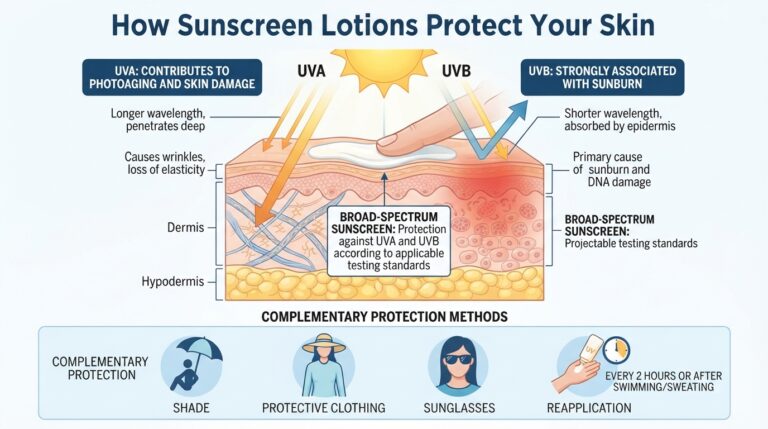
There are two main types of UV radiation that affect our skin:
- UVA rays: These rays penetrate the skin more deeply and are primarily responsible for aging and skin cancer.
- UVB rays: These rays cause sunburn and are the primary cause of skin cancer.
Both types of UV radiation can damage the skin, regardless of its pigmentation. Therefore, relying solely on melanin for protection is not sufficient.
Myths About Sunscreen and Darker Skin Tones
Several myths contribute to the misconception that Black individuals do not need sunscreen. Let’s address some of these myths head-on:
Myth 1: Dark Skin Does Not Burn
While it is true that darker skin is less likely to burn, it is not immune to sun damage. Black skin can still experience sunburn, albeit less frequently than lighter skin. Furthermore, the damage may not always be visible immediately, leading to a false sense of security.
Myth 2: SPF Is Only for Fair Skin
This myth perpetuates the idea that sunscreen is unnecessary for those with darker skin tones. In reality, everyone, regardless of skin color, should use sunscreen to protect against harmful UV rays. The American Academy of Dermatology recommends using a broad-spectrum sunscreen with an SPF of 30 or higher.
Myth 3: Sunscreen Causes Breakouts
Some individuals believe that sunscreen can cause acne or skin breakouts. While certain formulations can trigger breakouts in sensitive skin, many non-comedogenic options are specifically designed to avoid clogging pores. Choosing the right sunscreen is key.
The Importance of Sunscreen for Black Individuals
Sunscreen is crucial for everyone, but it holds particular significance for Black individuals for several reasons:
1. Risk of Skin Cancer
Despite the common belief that Black individuals are less likely to develop skin cancer, studies show that they are often diagnosed at later stages, leading to higher mortality rates. According to the Skin Cancer Foundation:
- Black individuals are at risk for melanoma, especially on areas not typically exposed to the sun.
- Melanoma is more aggressive in darker skin and can be harder to detect early.
2. Hyperpigmentation and Dark Spots
Excessive sun exposure can lead to hyperpigmentation, a common concern for individuals with darker skin tones. Hyperpigmentation occurs when certain areas of the skin darken due to increased melanin production as a response to UV exposure. Sunscreen helps prevent this by protecting the skin from damage.
3. Premature Aging
While darker skin may show fewer signs of aging than lighter skin, it is not immune to the effects of sun exposure. UVA rays can lead to wrinkles, fine lines, and a dull complexion over time. Regular sunscreen use can help maintain skin’s youthful appearance.
Choosing the Right Sunscreen
When selecting sunscreen, it’s essential to choose a product that meets your skin’s unique needs. Here are some factors to consider:
1. Broad-Spectrum Protection
Look for sunscreens labeled “broad-spectrum,” meaning they protect against both UVA and UVB rays. This ensures comprehensive protection for your skin.
2. SPF Level
Choose a sunscreen with an SPF of at least 30. Higher SPFs offer more protection, but no sunscreen can block 100% of UV rays.
3. Formulation
Consider your skin type when selecting a formulation:
- Gel-based sunscreens: Ideal for oily or acne-prone skin.
- Creams and lotions: Suitable for dry skin types.
- Sprays: Convenient for reapplication but ensure even coverage.
4. Non-Comedogenic Options
If you’re prone to breakouts, look for non-comedogenic sunscreens that won’t clog pores. This is crucial for maintaining clear skin.
Applying Sunscreen Effectively
Proper application is just as important as choosing the right sunscreen. Follow these steps for optimal sun protection:
1. Apply Generously
Use about an ounce (a shot glass full) of sunscreen to cover your entire body. Don’t forget areas like ears, back of the neck, and even the scalp if you’re bald or have a very short haircut.
2. Timing Matters
Apply sunscreen at least 15 minutes before sun exposure to allow it to soak into the skin. Reapply every two hours, or more often if swimming or sweating.
3. Daily Use
Incorporate sunscreen into your daily routine, even on cloudy days or when indoors, as UV rays can penetrate windows. Make it a habit to protect your skin year-round.
Conclusion: Embracing Sunscreen for Healthier Skin
So, do black people wear sunscreen? Absolutely! It is vital for everyone, regardless of skin tone, to understand the importance of sun protection. By debunking myths and educating ourselves on the risks associated with sun exposure, we can foster healthier skin practices within our communities.
Investing in quality sunscreen and making it a part of your daily routine is a proactive step towards maintaining skin health. Let’s prioritize sun protection for a brighter, healthier future.