
When it comes to skincare routines, one of the most frequently asked questions is, “Do I put sunscreen on before or after moisturizer?” Understanding the correct order of applying these products is crucial for maximizing their effectiveness and protecting your skin from harmful UV rays. In this article, we will explore the science behind sunscreen and moisturizer application, providing you with practical tips and insights to optimize your skincare regimen.
The Importance of Sunscreen and Moisturizer
Before diving into the application order, it’s essential to grasp why both sunscreen and moisturizer are important in your daily skincare routine.
Why You Need Sunscreen
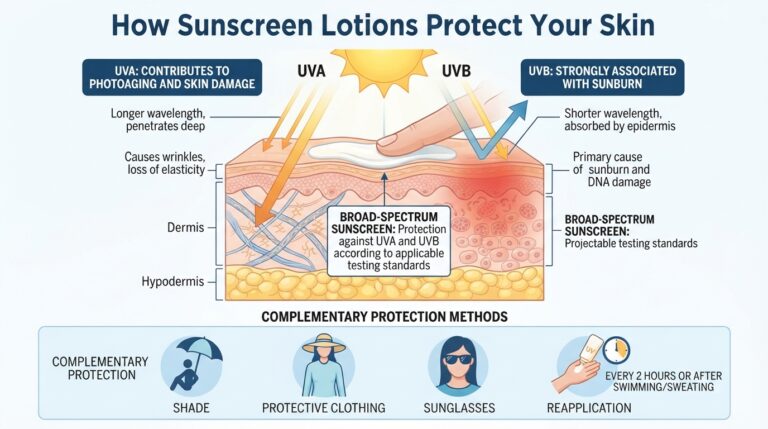
Sunscreen plays a vital role in protecting your skin from the sun’s harmful ultraviolet (UV) rays, which can cause skin damage, premature aging, and skin cancer. Here are some key points about sunscreen:
- Protection Against UV Rays: Sunscreen shields your skin from UVA and UVB rays, reducing the risk of sunburn and skin damage.
- Prevention of Premature Aging: Regular use of sunscreen helps prevent fine lines, wrinkles, and age spots.
- Skin Cancer Prevention: According to the Skin Cancer Foundation, daily use of SPF 15 or higher can reduce the risk of developing melanoma by 50%.
The Role of Moisturizer
Moisturizers are designed to hydrate and nourish your skin, helping to maintain its barrier function. Key benefits of using a moisturizer include:
- Hydration: Moisturizers provide essential hydration, keeping your skin soft and supple.
- Barrier Protection: They help restore the skin’s natural barrier, preventing moisture loss and protecting against environmental aggressors.
- Improved Skin Texture: Regular use of a good moisturizer can enhance the overall texture and appearance of your skin.
Understanding the Correct Order: Sunscreen vs. Moisturizer
Now that we understand the significance of both products, let’s address the question: do you put sunscreen on before or after moisturizer? The general consensus among dermatologists and skincare experts is that you should apply moisturizer before sunscreen. Here’s why:
How Moisturizer Prepares Your Skin
Applying moisturizer first allows it to absorb into the skin, providing hydration and creating a smooth base for sunscreen application. Here’s how it works:
- Enhances Absorption: When you apply moisturizer first, it penetrates the skin better, ensuring that your skin is adequately hydrated.
- Creates a Protective Layer: A moisturizer acts as a barrier, helping to lock in moisture and making your sunscreen more effective.
- Prevents Dryness: Sunscreen can sometimes feel drying, especially chemical sunscreens; applying moisturizer first helps combat this issue.
Applying Sunscreen After Moisturizer
Once your moisturizer has absorbed, applying sunscreen forms a protective layer over it. This order provides optimal protection against UV rays. Here’s how to effectively apply sunscreen:
- Wait a few minutes after applying moisturizer to let it fully absorb.
- Use a sunscreen with at least SPF 30 to ensure adequate protection.
- Apply a generous amount of sunscreen to all exposed areas of your skin, including your face, neck, and any other areas not covered by clothing.
- Don’t forget to reapply every two hours, especially if you’re spending time outdoors or sweating.
Different Types of Sunscreen
Understanding the different types of sunscreen can help you make informed choices that work best for your skin type and lifestyle. Here’s a brief overview:
| Type of Sunscreen | Features | Best For |
|---|---|---|
| Chemical Sunscreens | Absorb UV rays and convert them into heat, which is then released from the skin. | Those with oily skin; lightweight formulations. |
| Physical (Mineral) Sunscreens | Contain active mineral ingredients (like zinc oxide or titanium dioxide) that sit on top of the skin and block UV rays. | Those with sensitive skin or conditions like rosacea. |
| Water-Resistant Sunscreens | Designed to remain effective for a certain period while you sweat or swim (usually 40 or 80 minutes). | Active individuals or those spending time in water. |
Special Considerations for Different Skin Types
Different skin types may have unique needs when it comes to sunscreen and moisturizer. Here are some tailored recommendations:
Oily and Acne-Prone Skin
If you have oily or acne-prone skin, consider using a lightweight, oil-free moisturizer followed by a non-comedogenic sunscreen. Look for products labeled as “matte finish” to control shine.
Dry Skin
For dry skin, opt for a richer, hydrating moisturizer that contains ingredients like hyaluronic acid or glycerin. Follow it up with a moisturizing sunscreen that provides hydration in addition to UV protection.
Sensitive Skin
Individuals with sensitive skin should look for mineral-based sunscreens and gentle moisturizers. Avoid fragrances and harsh chemicals that can irritate the skin.
Common Myths About Sunscreen Application
There are several misconceptions regarding sunscreen that can lead to improper application. Let’s debunk a few:
Myth 1: Sunscreen is Only Needed on Sunny Days
Many people believe that sunscreen is unnecessary on cloudy days. However, up to 80% of UV rays can penetrate through clouds, so it’s essential to wear sunscreen daily regardless of the weather.
Myth 2: You Only Need to Apply Sunscreen Once a Day
Sunscreen should be reapplied every two hours, especially if you’re sweating or swimming. Make it a habit to carry a travel-sized sunscreen for easy reapplication.
Myth 3: Higher SPF Means Better Protection
While higher SPF numbers do offer more protection, the difference is not as significant as many think. An SPF 30 blocks about 97% of UVB rays, while SPF 50 blocks about 98%. The key is to apply enough sunscreen and reapply regularly.
Creating an Effective Morning Skincare Routine
A well-structured morning skincare routine can set the tone for your day. Here’s a simple step-by-step guide:
- Cleansing: Start with a gentle cleanser to remove any impurities from your skin.
- Toning: Use a toner if you prefer; it can help balance your skin’s pH.
- Moisturizing: Apply a suitable moisturizer based on your skin type.
- Sunscreen: Finish with sunscreen to protect against UV rays.
Conclusion
In summary, the correct order of applying sunscreen and moisturizer is to apply moisturizer first, followed by sunscreen. This method ensures your skin is well-hydrated and protected from the sun. Remember to choose products suitable for your skin type and to reapply sunscreen throughout the day. By making these practices a part of your daily routine, you’ll not only enhance your skin’s health but also prevent long-term damage. Now that you have the information on whether to put sunscreen on before or after moisturizer, you can confidently take care of your skin and enjoy the great outdoors safely.