

Deciding whether you can use sunscreen as a moisturizer depends largely on your skin type and the specific formula you choose. Many modern sunscreens come packed with hydrating ingredients, making separate lotions feel redundant for daily wear.
If you have oily skin or simply want to streamline your morning routine, swapping out your traditional lotion for a dedicated SPF product might seem efficient. However, skipping your standard hydrating cream entirely can sometimes leave your barrier under-supported, especially during dry winter months. Let’s explore how these two essential skincare products interact and whether combining them into one step is right for you.
Understanding the Difference Between Sunscreen and Moisturizer
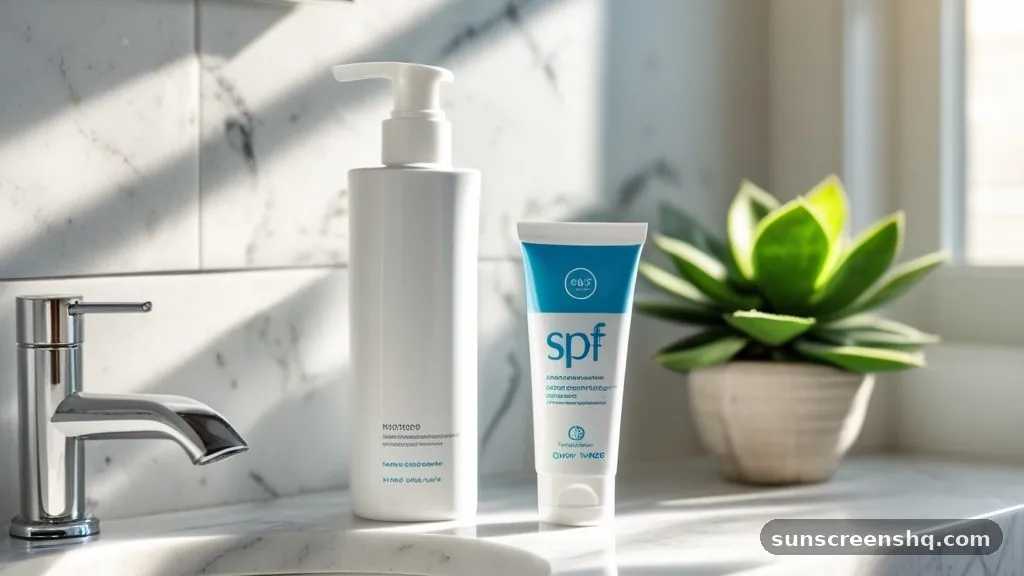
Moisturizers and sunscreens serve two fundamentally different purposes in a daily skincare routine. A moisturizer works to hydrate the skin, repair the lipid barrier, and prevent trans-epidermal water loss using humectants and emollients. Sunscreen, on the other hand, contains active filters designed to scatter or absorb ultraviolet radiation, protecting your complexion from sunburns, premature aging, and cellular damage.
Many people wonder whether they can rely entirely on a dual-purpose product to cover both bases. To make an informed choice, it helps to look at how these formulations differ in texture, active ingredients, and everyday performance.
| Feature | Standard Moisturizer | Sunscreen with SPF |
|---|---|---|
| Primary Goal | Hydration and barrier repair | UV radiation defense |
| Active Components | Glycerin, ceramides, hyaluronic acid | Zinc oxide, titanium dioxide, avobenzone |
| Application Rules | Applied morning and night | Reapplied every two hours outdoors |
Can You Skip Moisturizer If Your Sunscreen Has SPF?
The short answer is yes, you often can skip your regular lotion if your sunscreen provides enough hydration for your specific skin type. Many chemical and mineral sunscreens utilize a nourishing cream base that feels identical to a standard daily lotion. If your skin feels soft and comfortable after application, you do not necessarily need to layer two separate creams.
However, people with dry or sensitive skin might find that a standalone sunscreen falls short of the deep nourishment they need. In those cases, applying a hydrating serum or a lightweight lotion underneath your sun protection helps prevent flaking and tightness. For more details on safe daily application practices, you can review guidelines from the American Academy of Dermatology.
Skin Types and Combined Product Performance
How well a dual-purpose product works depends heavily on your unique skin type and how your skin reacts to different formulations. Oily and acne-prone skin types often thrive when using a single gel-based SPF because it reduces product buildup and lowers the risk of clogged pores.
Conversely, dry or mature skin typically requires specialized care that goes beyond basic sun protection. Consider how different skin profiles respond to using a single product:
- Oily skin: Lightweight, mattifying sunscreen formulas often eliminate the need for an extra lotion entirely.
- Dry skin: Combining a dedicated moisturizer with an SPF or choosing a cream-based sunscreen with hyaluronic acid prevents midday flaking.
- Sensitive skin: Fragrance-free mineral options minimize irritation while providing both moisture and UV defense.
The Impact on Daily Makeup Application
Smoothing cosmetics over a combined SPF and moisturizer can either streamline your routine or create frustrating pilling issues. When products contain conflicting silicone bases or heavy oils, foundation may roll up into small balls instead of laying flat against your face.
To avoid this, allow your sun protection to set for at least five to ten minutes before applying any liquid makeup or tinted coverage. This waiting period ensures the protective film forms an even layer over your skin, maintaining its intended defense level while creating a smooth canvas for your cosmetics.
Common Misconceptions About SPF Ratings
A frequent myth is that layering a moisturizer under a high-SPF product dilutes its protective power. While mixing products in your hand before application can indeed disrupt the formulation, applying a dedicated lotion first and letting it absorb fully poses no threat to your sun protection.
Another common misunderstanding involves the amount of product required to reach the stated SPF rating. Most people apply far too little lotion, which drastically reduces the actual defense level against harmful rays. Whether you use a combined formula or separate items, you need about a nickel-sized amount of product to cover your entire face and neck properly.
Addressing Special Situations and Nighttime Routines
You should never use sunscreen as a moisturizer at night because your skin does not require UV filters while you sleep. Leaving active sun protection on overnight can trap debris and clog pores unnecessarily, shifting focus away from active nighttime repair and rejuvenation.
During colder winter months, indoor heating and harsh outdoor winds deplete natural hydration levels rapidly. Even if a dual-purpose cream works wonderfully for you all summer long, you may need to reintroduce a richer moisturizing lotion during freezing weather to keep your skin barrier intact.
Frequently Asked Questions
Is it okay to apply sunscreen on eyelids?
Yes, but you must choose gentle, ophthalmologist-tested formulas that will not migrate into your eyes and cause stinging or irritation during the day.
Can I mix my moisturizer and sunscreen together?
Dermatologists advise against mixing them in your palm because this alters the chemical matrix and can unevenly dilute the protective SPF ingredients.
Do I need to reapply a combined product throughout the day?
Yes, all sunscreens lose efficacy over time due to sweat, oil production, and sun exposure, requiring reapplication every two hours outdoors.
Can I use a moisturizer with SPF at night?
It is not recommended, as nighttime skincare should focus on barrier repair and hydration without unnecessary UV filters.
Conclusion
Streamlining your morning routine with a hydrating sunscreen can save time and simplify your daily skincare habits. By understanding your skin type and choosing the right formula, you can protect against UV damage while keeping your complexion balanced and comfortable. Embrace the routine that feels best for your skin, and enjoy the confidence of healthy daily protection.